Climate tech can’t scale on corporate generosity alone
Microsoft’s reported pull-back from carbon removal and even 2030 clean energy targets proves that the sector needs policy help.
Explore our expert insights and analysis in leading energy and climate news stories.
Microsoft’s reported pull-back from carbon removal and even 2030 clean energy targets proves that the sector needs policy help.
Get the latest as our experts share their insights on global energy policy.
Two economic planning documents released at the March meeting of China's National People’s Congress include the term "energy powerhouse" for the first time.
Hear in-depth conversations with the world’s top energy and climate leaders from government, business, academia, and civil society.
In moments of geopolitical crisis, energy is never just a backdrop. It's often at the center of the story. Today, as conflict involving Iran sends shockwaves through global...
Past Event
February 1, 2024
10:00 am - 11:00 am est
Following the gas supply shock of 2022, natural gas markets moved towards a gradual rebalancing in 2023 thanks to timely policy action, effectively working market forces and favorable weather conditions. Gas prices are significantly down compared to their 2022 highs – although they remained well above their previous averages in Asia and Europe. Hub liquidity improved across all key markets amidst higher trading activity.
Despite this gradual rebalancing, the market remained fundamentally tight as the increase in global LNG production was not sufficient to offset the continued decline in Russian piped gas deliveries to Europe. LNG production growth fell short of previous expectations due to a combination of project delays and feed gas supply issues. Prices continued to display elevated volatility through 2023, reflecting supply uncertainty. Natural gas markets are expected to return to growth in 2024, although the expansion of gas use will be capped in the import markets by the limited increase in global LNG supply. Demand growth is expected to be concentrated in the fast-growing markets of the Asia Pacific and the gas-rich countries of Africa and the Middle East. The increase in gas demand will be supported by industry, as well as the residential and commercial sectors – assuming a return to average weather conditions after a mild winter in 2023. Downside risks to global LNG supply remain, including due to rising tensions along key shipping routes.
The Q1 2024 edition of the International Energy Agency’s (IEA) Gas Market Report provides an in-depth review of market developments in 2023 and a short-term outlook for 2024. As part of the IEA’s Low-Emission Gases Work Programme, the Report includes a section on short-term developments related to biomethane, low-emission hydrogen, and e-methane. Recognizing the importance of international cooperation to reduce greenhouse gas (GHG) emissions along gas supply chains, the Report features an overview of the initiatives, policies, and regulations enacted by the largest natural gas and LNG producers and consumers in this sphere.
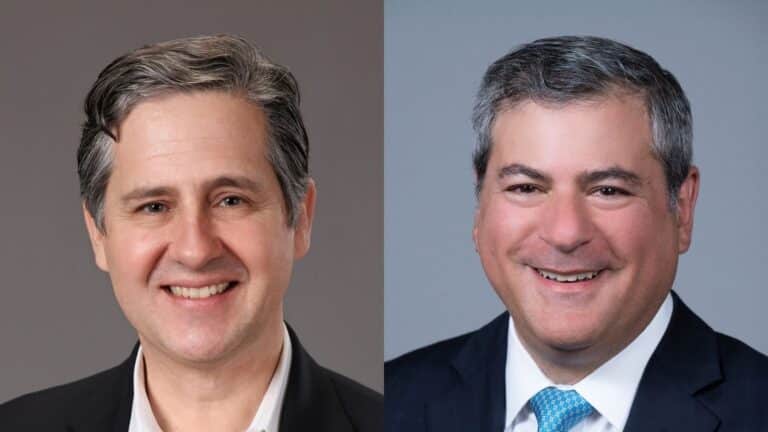
Join the Center on Global Energy Policy at Columbia University’s School of International and Public Affairs for a discussion on the main findings of the latest quarterly Gas Market Report by the IEA.
Moderator:
Speakers:
—
This webinar will be hosted via Zoom. Advance registration is required. Upon registration, you will receive a confirmation email with access details. The event will be recorded and the video recording will be added to our website following the event.
This event is open to the press, and registration is required to attend. For media inquiries or requests for interviews, please contact CGEP Communications ([email protected]).
For more information about the event, please contact [email protected].
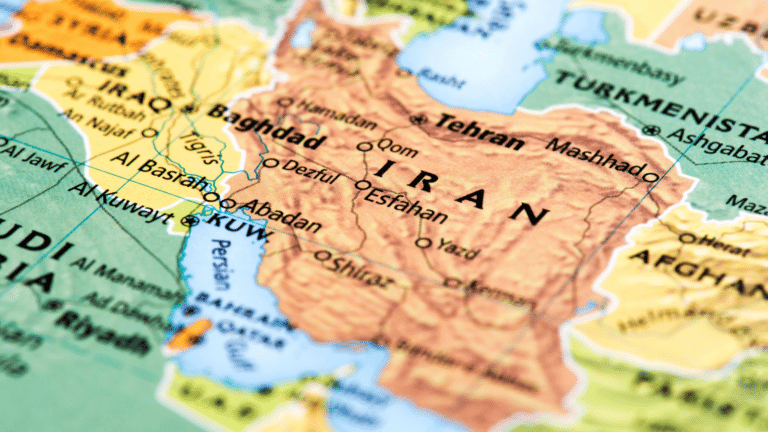
More than a month into the Iran conflict, the United States and Iran are at a critical inflection point.

This roundtable is open only to currently enrolled Columbia University students. To register, you must sign in with your UNI. Join the Center on Global Energy Policy’s Women...

This roundtable is open only to currently enrolled Columbia University students. To register, you must sign in with your UNI. The Center on Global Energy Policy (CGEP) at...

This roundtable is open only to currently enrolled Columbia University students. To register, you must sign in with your UNI. The Center on Global Energy Policy at Columbia...

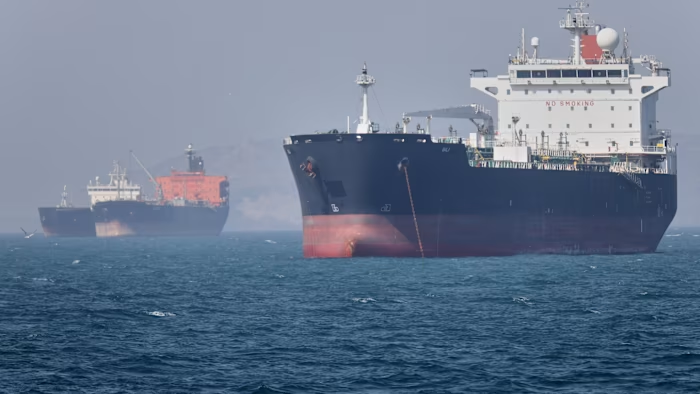
The White House declared last week that President Trump finally "broke OPEC" after the United Arab Emirates withdrew from the cartel.