Trump promoted fossil fuels. His war is pushing the world away from them.
As oil prices spike, governments are slashing fuel use and eyeing renewables — threatening to erode global demand for fossil energy.
Get the latest as our experts share their insights on global energy policy.
On February 28, the US and Israel launched new attacks on Iran targeting primarily the country's leadership, security forces, and missile program.
Hear in-depth conversations with the world’s top energy and climate leaders from government, business, academia, and civil society.
While US and Israeli forces have significantly degraded Iran’s military and nuclear capability, the global energy landscape remains in a precarious position. For weeks, the Strait of Hormuz...
Find out more about our upcoming and past events.
This roundtable is open only to currently enrolled Columbia University students. To register, you must sign in with your UNI. Join the Center on Global Energy Policy’s Women...
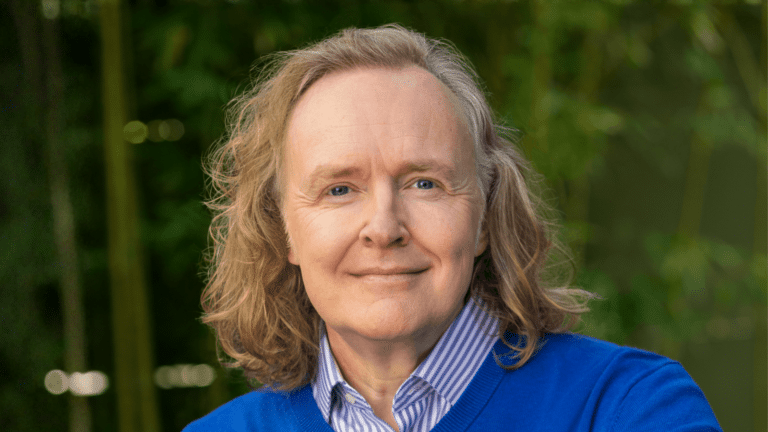
Happy New Year! And welcome back to Columbia Energy Exchange, a weekly podcast from the Center on Global Energy Policy at Columbia University.
The year 2020 promises to be an important one for energy and environmental issues in the U.S., with significant debates in Congress over policy options and a national election in which climate change may be a decisive issue for many voters.
In this edition of Columbia Energy Exchange, host Bill Loveless is joined by Ralph Izzo, a well-known leader in the U.S. utility sector and in the public-policy arena.
Ralph is the Chairman and Chief Executive of Public Service Enterprise Group, a diversified energy company in New Jersey that includes Public Service Electric and Gas Company, the largest investor-owned utility in the state.
He joined the utility in 1992 and has since held several executive positions within PSEG’s family of companies.
You will often find him testifying before Congress or speaking before groups on some of the most pressing energy and environmental issues of the day.
But what you may not know is Ralph’s career began in science as a researcher at a U.S. Department of Energy laboratory after earning his Ph.D. in applied physics at Columbia University. It’s a professional foundation that’s influenced his business approach for decades.
At Columbia, he also received his bachelor of science and master of science degrees in mechanical engineering, and later went to Rutgers Graduate School of Management for his master of business administration degree.
Host Bill Loveless sat down with Ralph during one of his recent visits to Washington to talk about his increasing concerns over climate change and what he sees as a disparate approach to the crisis when it comes to national and state policies. While he notes that much is being done to reduce emissions in the U.S., including in the electric-power sector, he worries that the advances are likely to fall short of what’s needed to keep temperatures from rising more than 1.5 to 2 degrees Celsius.
While US and Israeli forces have significantly degraded Iran’s military and nuclear capability, the global energy landscape remains in a precarious position. For weeks, the Strait of Hormuz...
During President Trump’s second term, the administration has taken unprecedented action in the US private sector. The federal government’s investments in critical mineral mining and chip manufacturing are...
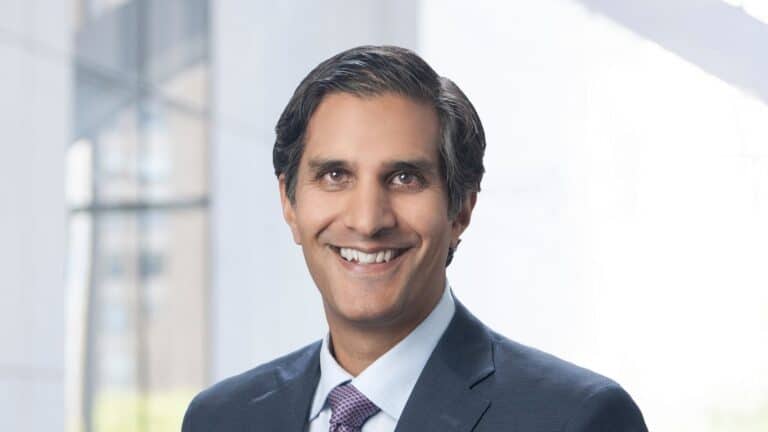
Today marks the last day of CERAWeek, the annual energy industry conference sometimes described as the Davos of energy. As oil and gas CEOs and government officials gathered...
The Iran conflict has rapidly expanded, drawing in actors across the Middle East and raising concerns about broader regional escalation.

The Iran war will accelerate the region’s economic transformation.

On February 28, the US and Israel launched new attacks on Iran targeting primarily the country's leadership, security forces, and missile program.
The war in Iran has significantly enhanced Latin America's geopolitical advantage as a reliable source of hydrocarbon resources.