Two months in, the Iran war has changed the global energy system forever
The conflict may be the beginning of the end of fossil fuel dominance. Here’s which energy sources stand to win and lose.
Get the latest as our experts share their insights on global energy policy.
Two economic planning documents released at the March meeting of China's National People’s Congress include the term "energy powerhouse" for the first time.
Hear in-depth conversations with the world’s top energy and climate leaders from government, business, academia, and civil society.
It has been a tumultuous 24 hours for the global energy landscape. Yesterday, the United Arab Emirates sent shockwaves through the oil industry by announcing its withdrawal from...

Oil is the world’s most actively traded commodity, but forecasts vary as to whether it will start to wane in the decades to come. Understanding the changes sweeping through the oil industry and market today are key to understanding the outlook for economic growth, climate change, and geopolitical conflict.
The US blockade of tankers serving Iran's oil exports is intended to cut Iranian oil exports to near-zero.

Iran has expanded its storage infrastructure over the past decade to levels that may be sufficient to handle up to two or three weeks of crude exports at pre-war levels.
Media reports suggest the Trump Administration is considering restrictions on US oil exports.

The oil shock triggered by the crisis in the Persian Gulf has pushed crude above $100 per barrel, reviving familiar fears of economic turmoil in the United States driven by surging gasoline and diesel prices.
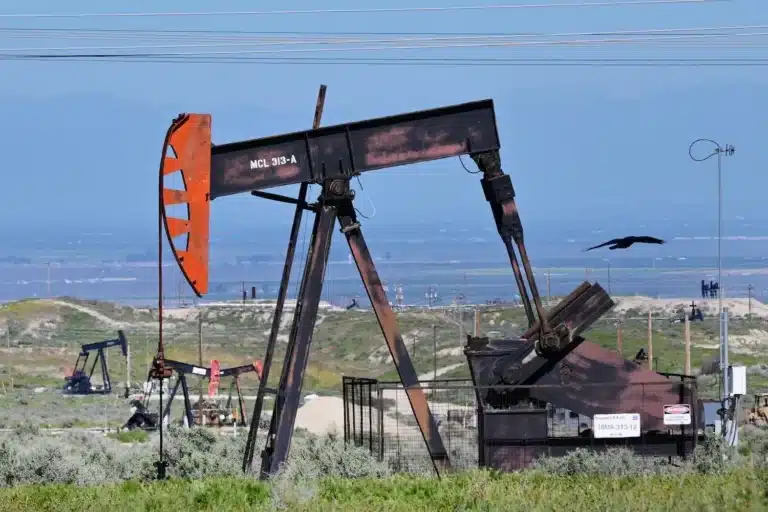
Amid global oil and gas disruptions, China stands prepared for the electrostate era.
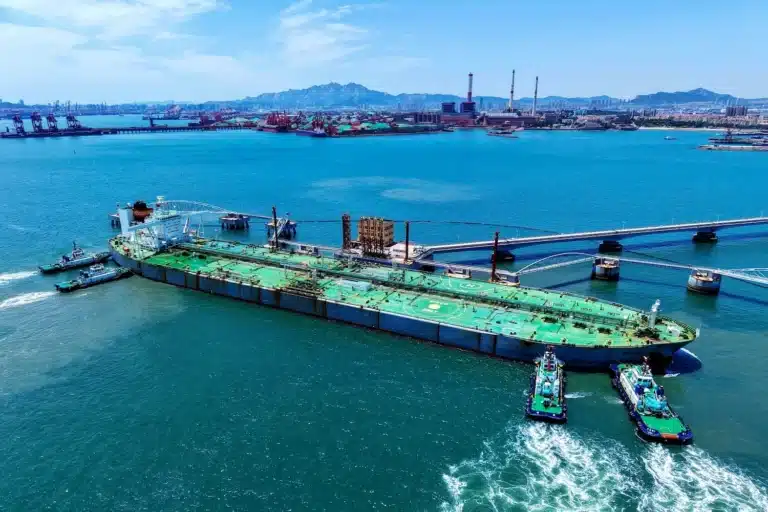
Multiple US–Iran conflict scenarios carry materially different risks for global oil infrastructure, transit routes, and prices.
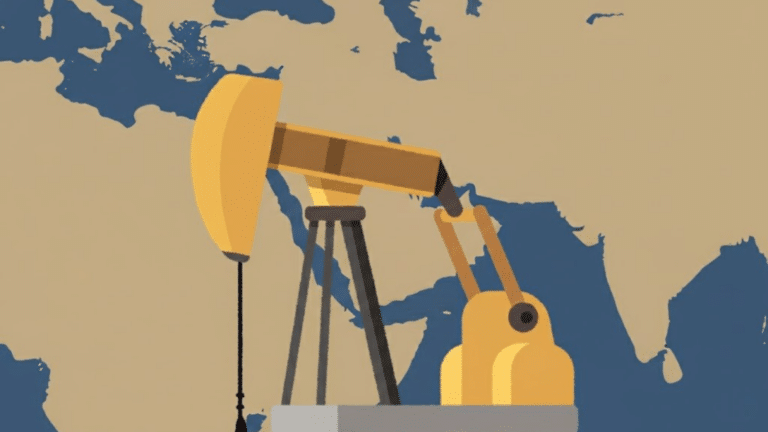
China’s crude oil imports hit a record-high 11.6 million barrels per day in 2025, as geopolitical tensions, low oil prices, and global oversupply spurred China to increase its oil stockpiles, a trend likely to continue in 2026.
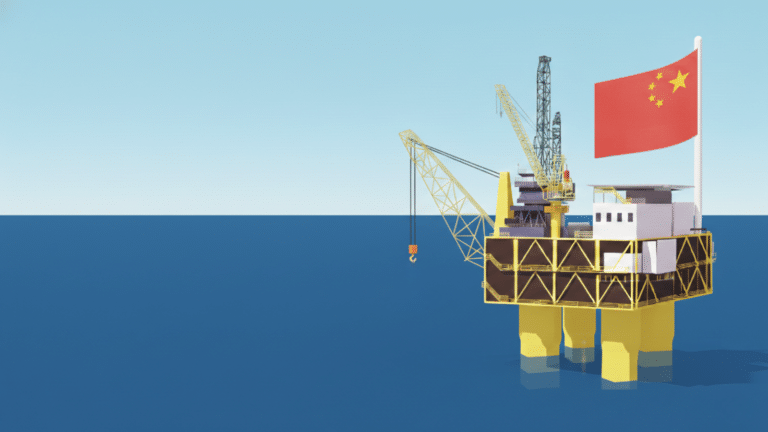
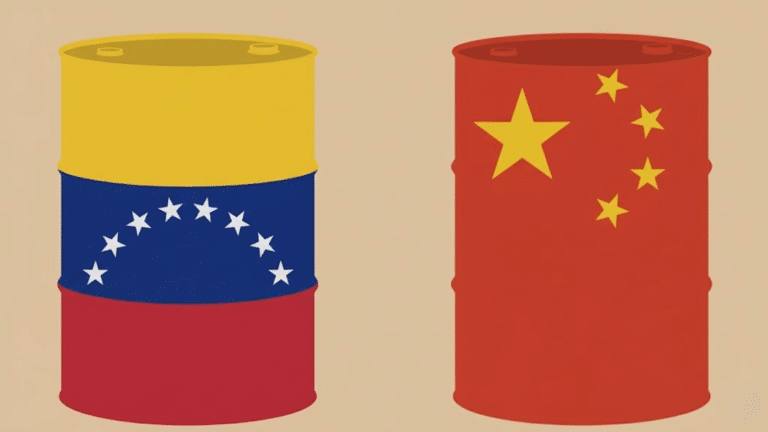
The US intervention in Venezuela may jeopardize both the flow of discounted Venezuelan oil to China's teapot refineries and the role of Chinese oil companies in Venezuela’s upstream business.
In discussing the dramatic seizure of Venezuelan President Nicolás Maduro and his wife, Cilia Flores, over the weekend, President Donald Trump declared that the United States would now “take back” the country’s oil. Yet he has offered little clarity on what exactly this means.