Big changes are taking place in Chile when it comes to energy, with a strong push for renewable energy in recent years. And there’s more to come, according to the country’s president, Sebastián Piñera.
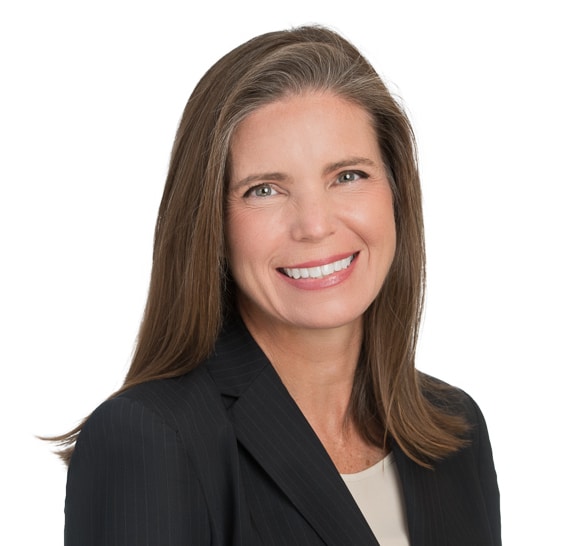
In this edition of Columbia Energy Exchange, host Bill Loveless sits down with Susana Jiménez, Chile’s energy minister, who’s overseeing her government’s plan to change significantly the way the nation produces and uses energy. In the process, she aims to make her nation a model for not only South America but also the world.
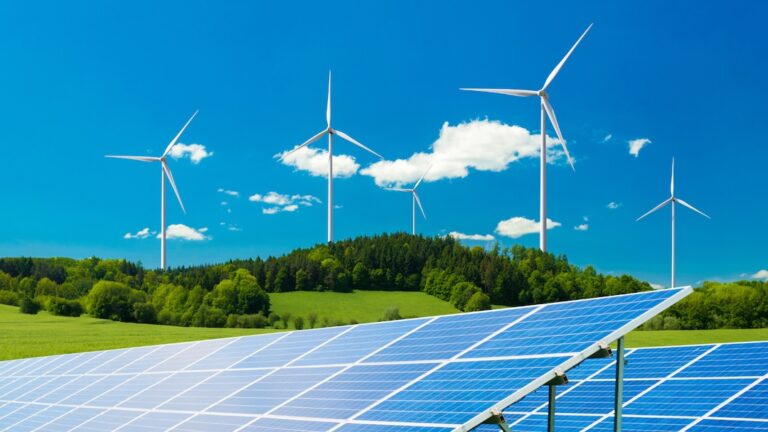
The fifth largest consumer of energy in South America, Chile is only a minor producer of fossil fuels and therefore has relied heavily on energy imports. That’s changing, however, as Chile looks increasingly to solar, wind and other forms of renewable energy. In fact, renewable energy now accounts for about 18% of the nation’s electric power capacity, up from 5% just five years ago.
Minister Jiménez and Bill talked about this during her visit to the Center on Global Energy Policy in New York as well as her government’s plans to step up its transformation to cleaner forms of energy, all of which will require even more investment by the private sector and innovations in government regulation.
They also discussed Chile’s commitments to address climate change by reducing the carbon intensity of its economy. A good sign of that vow is her government’s agreement to host the next round of U.N. climate talks in December after Brazil reversed its plans to host the meeting.
Susana Jiménez holds a Business Degree and a Master’s Degree in Economics from Pontificia Universidad Católica de Chile. She also obtained a Diploma in Free Markets from the same institution and a Master’s Degree in Humanities from Universidad del Desarrollo. She has been a professor at Universidad de Chile, Universidad Central, Universidad Finis Terrae, and Pontificia Universidad Católica de Chile.
Until 1997, Ms. Jiménez was an economist with the Research Division of the Central Bank of Chile and subsequently she served as economic assistant in the representative office of the Chilean Treasury Ministry in New York. From 2000 to 2002 she was head of research at consulting firm Zahler & Co. Subsequent to that, she was an associate economist with consulting firm P. Rojas y Asociados, where she became a partner in 2009.
In May 2010 she joined the thinktank Libertad y Desarrollo (LyD) as a senior economist in charge of research on energy, environment, regulation, and free markets and water resources. She was promoted to deputy director of LyD in January 2017, a post she served in until she was appointed government minister.