Energy Markets Series: Half-Time Talk Weekly Feature Interview
Dr. Tatiana Mitrova, Research Fellow, Center on Global Energy Policy, Columbia UniversityTells Half-Time Talk GI Exclusive Interview: âEnergy Markets Pass th...
Get the latest as our experts share their insights on global energy policy.
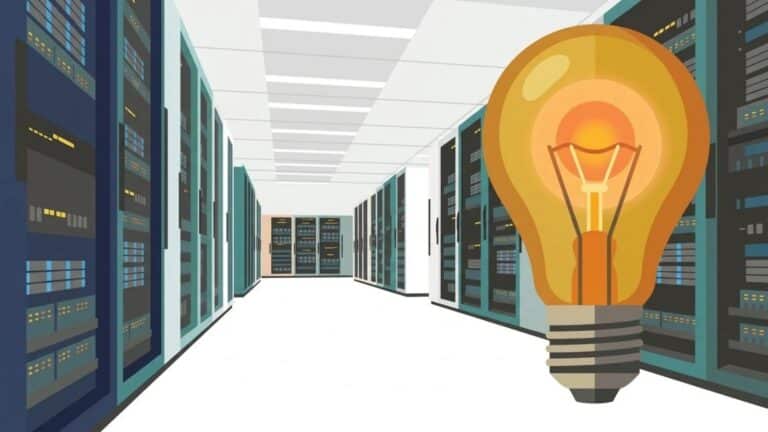
Midterm voters gave Democrats control of both chambers of Congress and flipped governorships in states central to data center development.
Hear in-depth conversations with the world’s top energy and climate leaders from government, business, academia, and civil society.
Earlier this month, US voters handed Democrats control of both chambers of Congress and flipped several governorships across the country. The dramatic shift in power raises big questions...

Find out more about our upcoming and past events.
CGEP invites students to join a roundtable discussion with Cassady Walters, Vice President, Power, The Rockefeller Foundation.

Explore independent and nonpartisan research that meets the high standards of academic integrity at Columbia University.
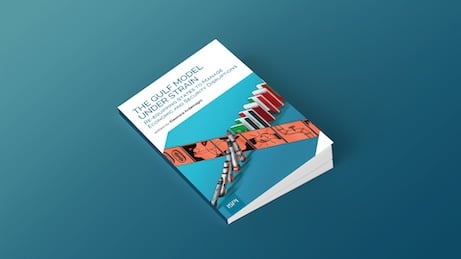
The Iran war is testing the resilience of GCC states. As chokepoints become weapons and US deterrence weakens, how are Gulf countries adapting their defence, energy and connectivity policies to protect economic continuity and advance diversification?
Midterm voters gave Democrats control of both chambers of Congress and flipped governorships in states central to data center development.
The Iran war is testing the resilience of GCC states. As chokepoints become weapons and US deterrence weakens, how are Gulf countries adapting their defence, energy and connectivity policies to protect economic continuity and advance diversification?
The shift in the balance of political power will help determine which US policies can be funded and sustained over the next two years.
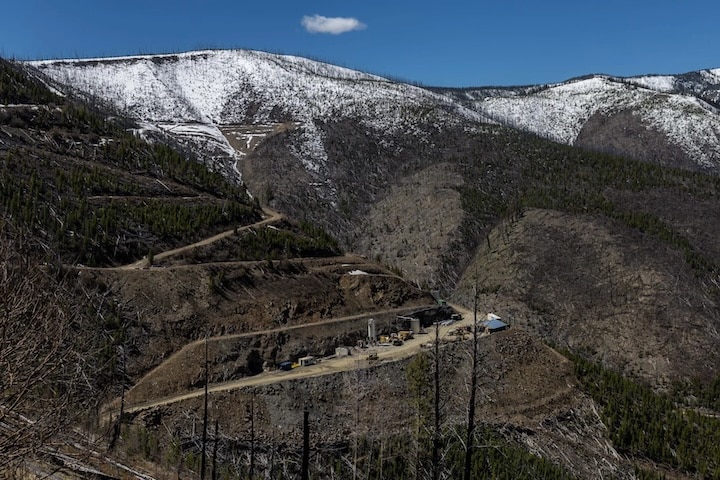
The United States and its allies are finally taking supply chains for critical minerals seriously.

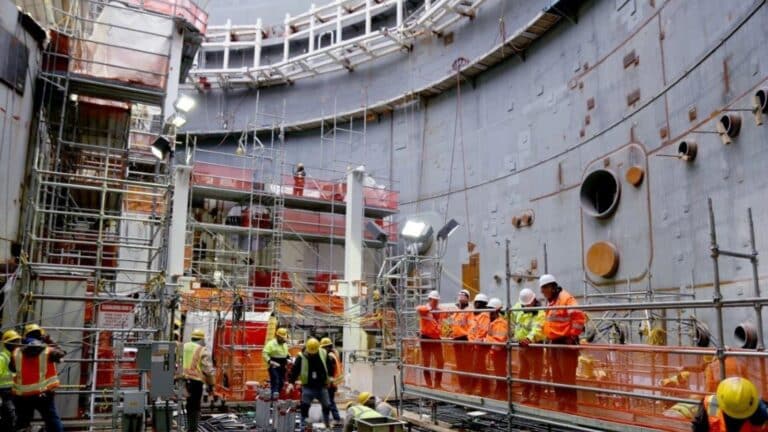
The BAAJA bill could facilitate nuclear development by streamlining federal environmental reviews and providing greater certainty for permitted projects.

Canadaâs resource wealth is drawing the UAE and Europe closer as Ottawa seeks to reduce dependence on US and diversify trade
Border carbon pricing and product standards change the conditions under which carbon-intensive goods enter the EU market, but do not induce the transformation of the industrial assets that produce them. This report examines whether Clean Trade and Investment Partnerships (CTIPs) can help address this gap.
