Trump promoted fossil fuels. His war is pushing the world away from them.
As oil prices spike, governments are slashing fuel use and eyeing renewables — threatening to erode global demand for fossil energy.
Get the latest as our experts share their insights on global energy policy.
On February 28, the US and Israel launched new attacks on Iran targeting primarily the country's leadership, security forces, and missile program.

Hear in-depth conversations with the world’s top energy and climate leaders from government, business, academia, and civil society.
While US and Israeli forces have significantly degraded Iran’s military and nuclear capability, the global energy landscape remains in a precarious position. For weeks, the Strait of Hormuz...
Find out more about our upcoming and past events.
This roundtable is open only to currently enrolled Columbia University students. To register, you must sign in with your UNI. Join the Center on Global Energy Policy’s Women...

Op-eds & Essays with Philippe Benoit • November 02, 2022
The decline of domestic fossil fuel production in the United States poses serious economic risks for communities that rely on fossil fuel industries for jobs and public revenues. Many of these communities lack the resources and capacity to manage those risks on their own. The absence of viable economic strategies for affected regions is a barrier to building the broad, durable coalitions needed for an equitable national transition to cleaner energy sources.
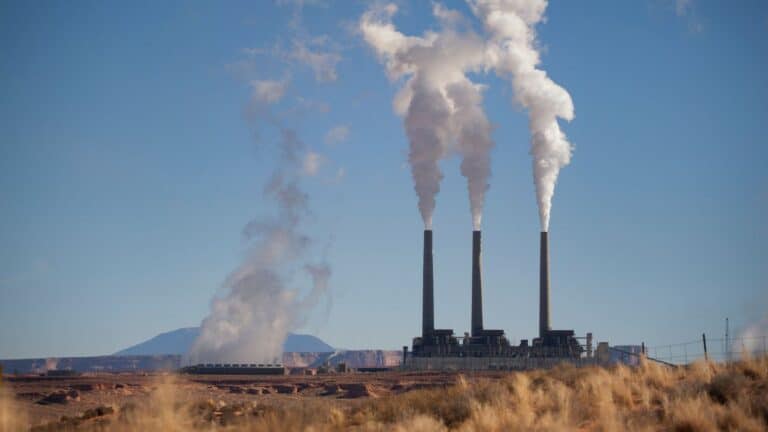
CGEP scholars reflect on some of the standout issues of the day during this year's Climate Week

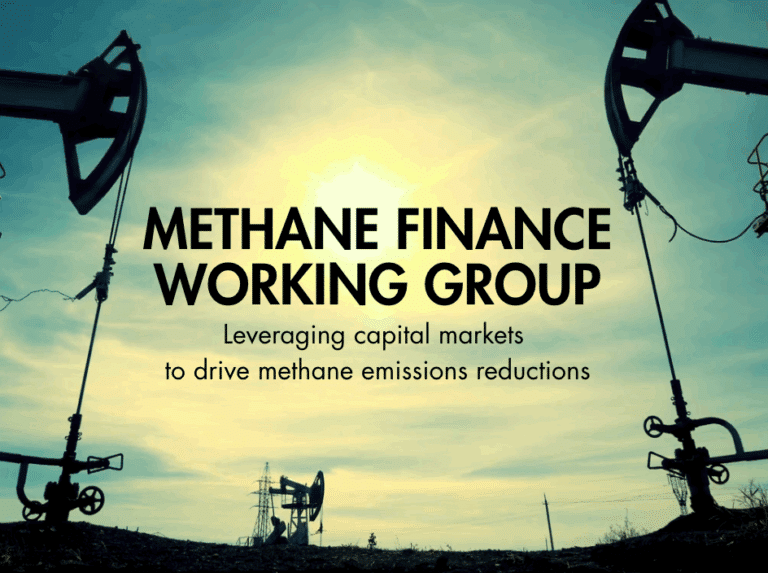
Human-caused methane emissions have contributed to at least one quarter of global warming since the preindustrial era. Since methane is 80 times more potent than carbon dioxide (CO2) in trapping heat over the first two decades after its release, abating methane is considered a critical near-term strategy for reducing emissions.[
Full report
Op-eds & Essays with Philippe Benoit • November 02, 2022