Ukraine’s drone campaign against Russia’s energy infrastructure takes a toll, but falls short of a game changer
Ukraine's long-range drone campaign targeting Russian energy infrastructure has inflicted real damage, but isn't yet decisive.
Get the latest as our experts share their insights on global energy policy.
This Energy Explained post represents the research and views of the author(s). It does not necessarily represent the views of the Center on Global Energy Policy. The piece...

Hear in-depth conversations with the world’s top energy and climate leaders from government, business, academia, and civil society.
The energy transition is in the midst of its own transition. Spiking electricity demand and geopolitical events are driving up energy prices, while debates over the best sources...
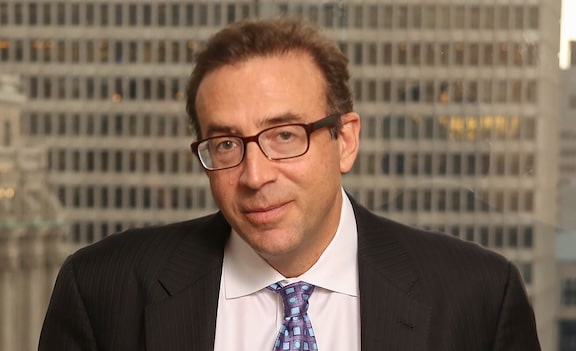
Cuba: U.S. Sanctions Policy After the Embargo
By Peter Harrell
DOWNLOAD THE FULL REPORT HERE [PDF]
Since US President Barack Obama and Cuban President Raul Castro announced a historic thaw in US-Cuban relations in December 2014, both the US and Cuban governments have undertaken a series of steps to normalize diplomatic relations and to expand economic ties that had been curtailed since the early 1960s. In a new report from the Center on Global Energy Policy, author Peter Harrell, Adjunct Senior Fellow at the Center for a New American Security, argues that Congress needs to enact new legislation concerning US sanctions on Cuba that would:
The report indicates that reforms to implement modernized US sanctions on Cuba have the potential to enable additional positive social and economic changes in Cuba, provide greater economic benefits to both countries, bring sanctions into better alignment with current US interests, and harmonize sanctions on Cuba with sanctions the United States imposes on most other countries subject to US sanctions.
The Center on Global Energy Policy is providing live updates on key developments related to the Iran crisis. Check back here for the latest.

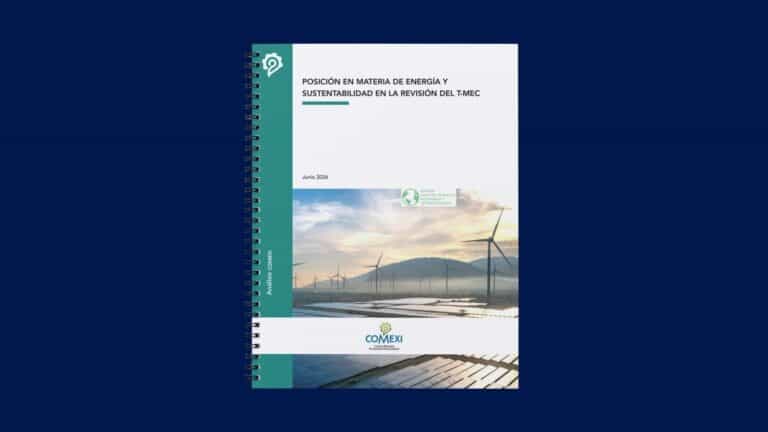
El Consejo Mexicano de Asuntos Internacionales (COMEXI) y la Unidad de Estudio y Reflexión sobre Energía y Sustentabilidad, presentan el análisis: “Posición en materia de energía y sustentabilidad en la revisión del T-MEC" El documento analiza cómo México puede aprovechar este proceso para fortalecer la integración energética de América del
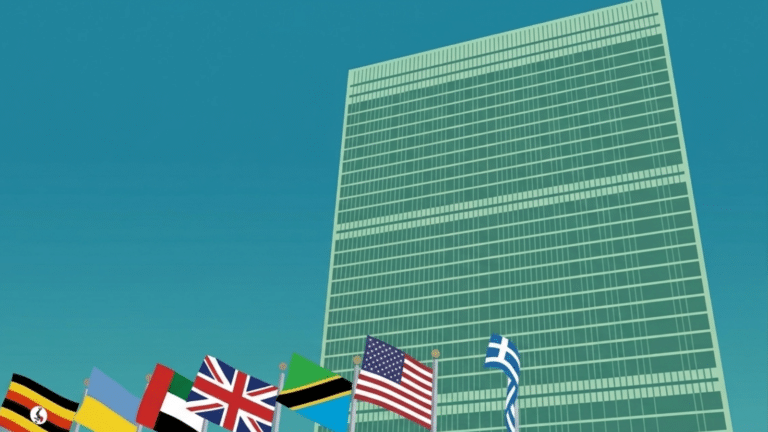
The UNFCCC process is marred by gridlock in the COP multilateral framework, threatening joint efforts by countries to mitigate the climate crisis.
Full report
Reports by • November 29, 2016