This website uses cookies as well as similar tools and technologies to understand visitors’ experiences. By continuing to use this website, you consent to Columbia University’s usage of cookies and similar technologies, in accordance with the Columbia University Website Cookie Notice.
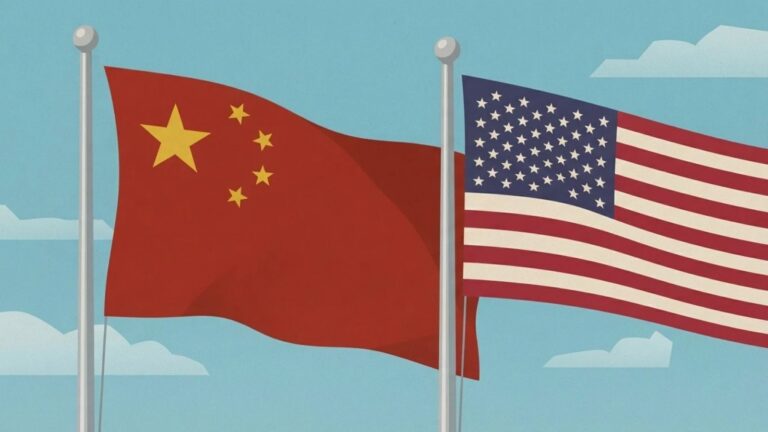
Last week's summit between US President Trump and Chinese President Xi was the second meeting between the two leaders since the US and Israel attacked Iran.
Carbon credit markets have become one of the most hotly debated tools in the fight against climate change. Supporters call them essential to closing the gap between corporate...
Apply to Register The Center on Global Energy Policy at Columbia University SIPA’s Women in Energy initiative invites Columbia University students to a roundtable discussion with Pam Brown,...
Event
• Center on Global Energy Policy
Large Conference Room
About Us
We are the premier hub and policy institution for global energy thought leadership. Energy impacts every element of our lives, and our trusted fact-based research informs the decisions that affect all of us.
In this edition of Global Institute Dialogues Jason Bordoff discusses how the Iran crisis, China’s electrification strategy, and the US shale revolution have changed energy geopolitics.
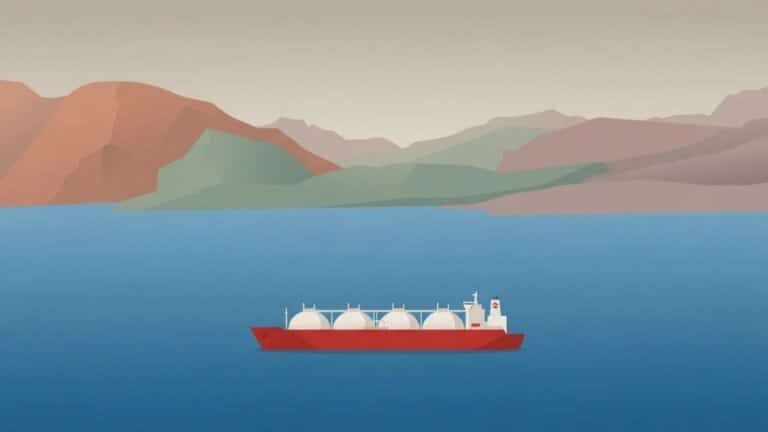
For almost seven months, energy markets have looked at LNG flows through the Strait of Hormuz in binary terms: either LNG cargoes go through, or they do not.
Artificial Intelligence
Climate Change
Critical Minerals
Energy for Development
Energy Justice
Energy Markets
Energy Policy
Energy & Public Health
Energy Security
Finance & Economics
Fossil Energy
Geopolitics
Hydrogen
Industrial Decarbonization
Innovation & Technology
Natural Gas
Nuclear Energy
Oil
Power Sector
Renewable Energy
Trade Policy
Transportation
Asia + Pacific
China
Europe
India
Latin America
Middle East + North Africa
Sub-Saharan Africa
North America
Russia
Report
Commentary
Op-eds & Essays
Testimonies & Speeches
Task Force Report
White Paper
Q&A
Dataset
Summary
Fact Sheet
Books
External Publication
Blog
Last week's summit between US President Trump and Chinese President Xi was the second meeting between the two leaders since the US and Israel attacked Iran.
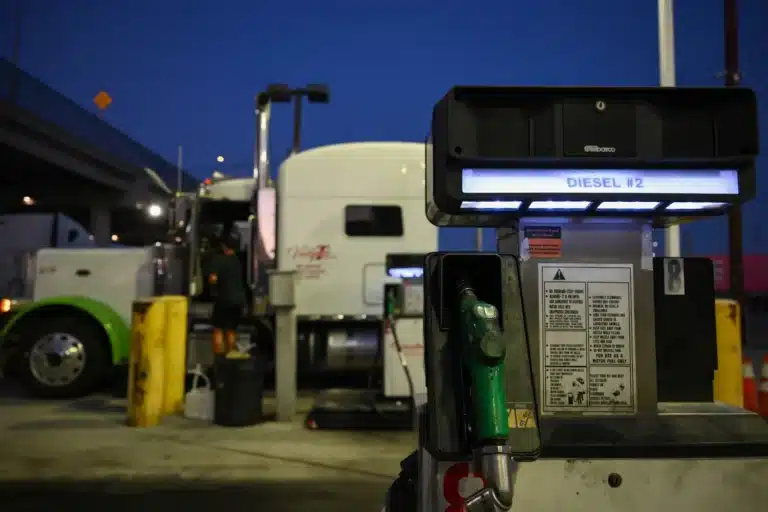
As inventories run dry and the Iran war continues to disrupt transit routes, oil has surged back to more than $100 per barrel. Diesel fuel—the workhorse of the agricultural and trucking sectors—has now soared to historic highs, pushing U.S. exports to record levels.
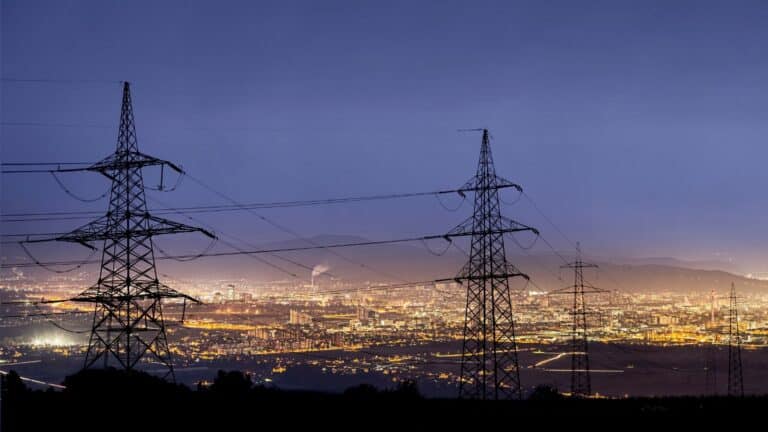
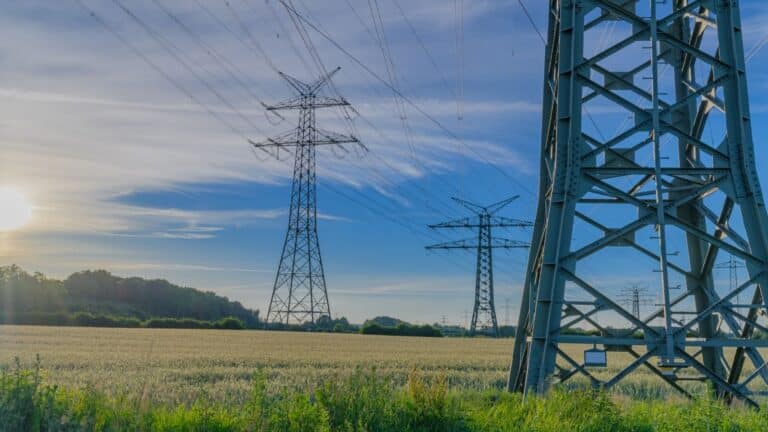
After decades without growth, electricity demand is surging, driven by energy-hungry data centers, new energy-intensive manufacturing facilities, and the increasing electrification of transportation and heating.
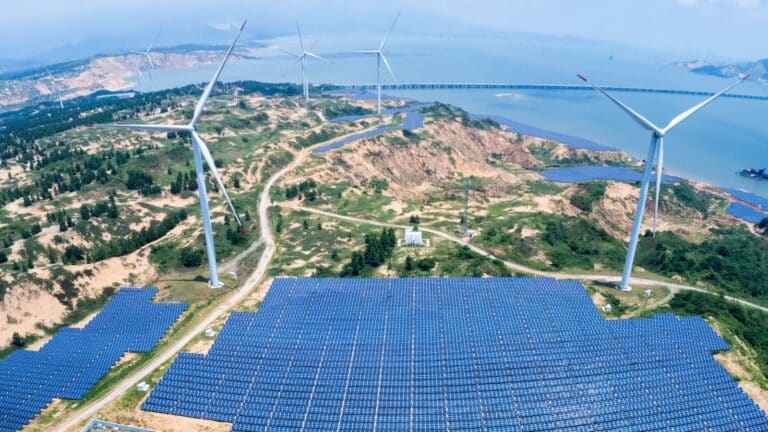
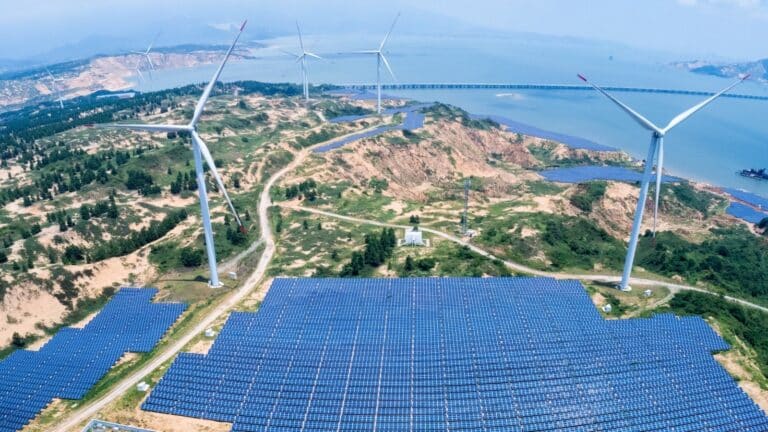
Over the past decade, governments in developed economies have expanded the use of public financing tools to support the development of clean energy and critical materials technologies.
Task Force Report
by Tom Moerenhout & Sofia Parker• September 20, 2026
Governments in developed economies have expanded the use of public financing tools to support clean energy and critical materials technology development over the past decade.
White Paper
by Tom Moerenhout & Sofia Parker• September 20, 2026
CHRONIQUE. Les réserves de gaz européennes affichent des taux de remplissage dangereusement faibles en ce début d’automne; que se passera-t-il si l’hiver est très froid, se demande la spécialiste de l’énergie de l’Université Columbia Anne-Sophie Corbeau