This website uses cookies as well as similar tools and technologies to understand visitors’ experiences. By continuing to use this website, you consent to Columbia University’s usage of cookies and similar technologies, in accordance with the Columbia University Website Cookie Notice.
Energy Explained
Get the latest as our experts share their insights on global energy policy.
Postwar LNG: The New Guiding Principles Borrow from the Past
The Iran crisis, whenever it ends, will materially change how the LNG market operates.

Podcasts
Hear in-depth conversations with the world’s top energy and climate leaders from government, business, academia, and civil society.
Iran Conflict Brief: How Renewed Strikes Impact Global Energy
In the 23 days since the US and Iran agreed to a ceasefire, strikes have returned, following a familiar pattern: Iran attacks vessels using an internationally backed sea...

Podcast
Leaving the Paris Agreement: The Implications for the U.S. Energy Sector, Foreign Policy, & Climate Change
June 5, 2017
Guest
William Reilly
former Environmental Protection Agency Administrator
CGEP Director Jason Bordoff speaks with William Reilly, former U.S. EPA Administrator, about President Trump’s decision to withdraw from the Paris Agreement.
More Episodes
Iran Conflict Brief: How Renewed Strikes Impact Global Energy
In the 23 days since the US and Iran agreed to a ceasefire, strikes have returned, following a familiar pattern: Iran attacks vessels using an internationally backed sea...
Alice Yake on Planning for a Reliable, Cleaner Grid
Grid operators sit at the center of many of the biggest forces reshaping the global energy system. They’re navigating rising electricity demand, a lack of transmission infrastructure, shifting...

Doug Arent and Robin Millican on What’s Really Driving Electricity Prices
Concerns about the affordability of electricity in the US have been rising along with prices. And while the headlines have pointed to AI and data centers as the...

Michael Cembalest Does the Math on the Energy Transition
The energy transition is in the midst of its own transition. Spiking electricity demand and geopolitical events are driving up energy prices, while debates over the best sources...

Relevant
Publications
Glass Half Full: Building a Decarbonized U.S. Power Sector
The Inflation Reduction Act of 2022 (IRA) was built, sold, and attacked as the largest climate investment in U.S. history. […]
External Publications
with Lily Bermel •
MIT Center for Energy and Environmental Policy Research
• July 06, 2026

Doomsday Climate Scenarios Were Wrong. That Doesn’t Help Europe.
Recent scientific reassessments strengthen the case for rapid climate action rather than weaken it.

Are Bilateral and ‘Minilateral’ Treaties the Precursors to Multilateral Agreements?
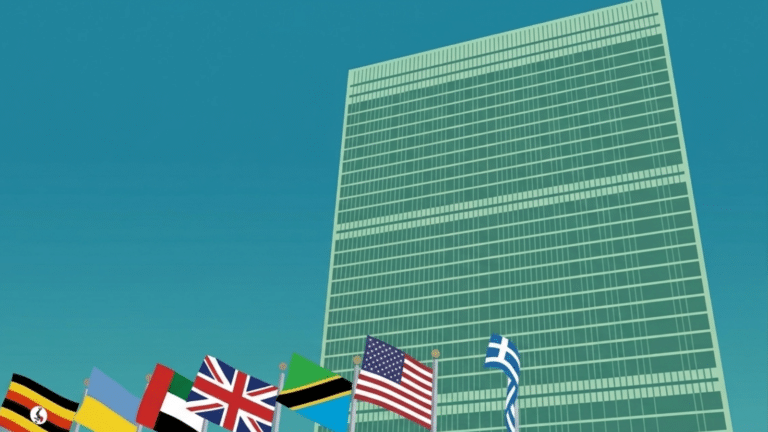
The UNFCCC process is marred by gridlock in the COP multilateral framework, threatening joint efforts by countries to mitigate the climate crisis.
Guidelines for Decarbonizing Industry in Time to Meet Global Climate Goals
Reports
by Chris Bataille, Seton Stiebert, Dr. Francis Li + 1 more • April 09, 2026