This website uses cookies as well as similar tools and technologies to understand visitors’ experiences. By continuing to use this website, you consent to Columbia University’s usage of cookies and similar technologies, in accordance with the Columbia University Website Cookie Notice.
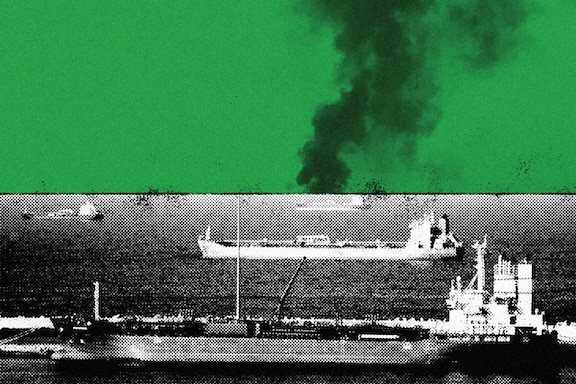
The conflict in Iran is a reminder of how quickly global energy markets can be disrupted. It also underscores why advances in things like battery technology — from...
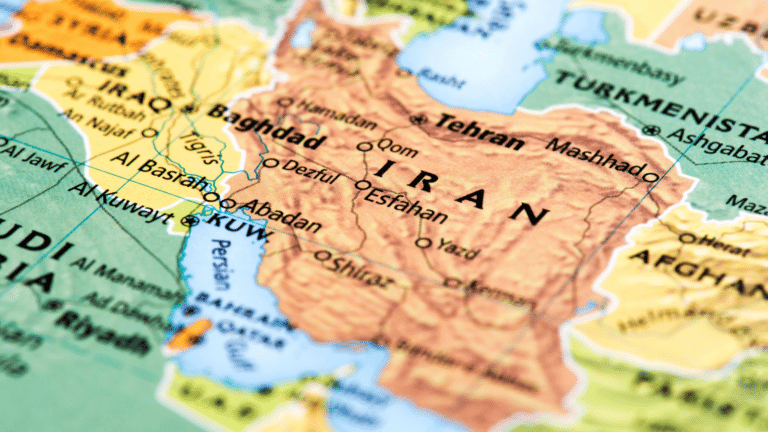
More than a month into the Iran conflict, the United States and Iran are at a critical inflection point.
Rapid Response
Rapid Response Event
About Us
We are the premier hub and policy institution for global energy thought leadership. Energy impacts every element of our lives, and our trusted fact-based research informs the decisions that affect all of us.
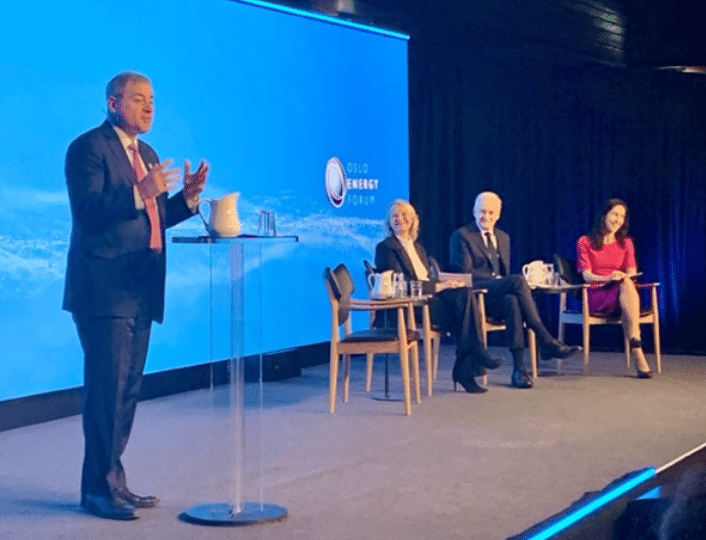
I’m en route home after a week in Europe—first at the Oslo Energy Forum and then at the Munich Security Conference. Munich generated considerable news and drama, but...
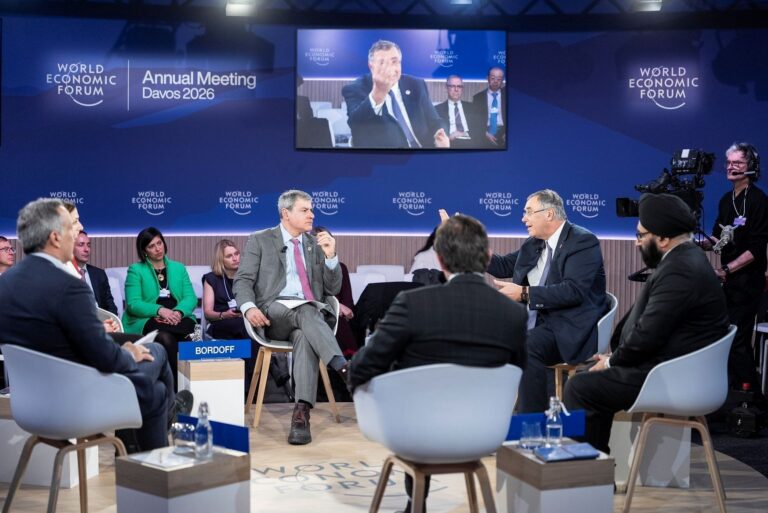
As the train pulls away from Davos Dorf station through the snow-capped Swiss mountains, I find myself reflecting on a rather extraordinary week at the World Economic Forum’s Annual Meeting in Davos. While many questioned Davos’ continuing relevance last year, it is difficult to argue that this year’s gathering was not among the most consequential in recent memory, shaped in large part by President Trump’s dominant presence throughout the week’s discussions.
The arrest of Venezuelan President Nicolas Maduro, on Saturday, sent shockwaves across the globe. And although the targeted military operation was a success, th
President Trump says the U.S. will "take back" Venezuela's oil. NPR's Leila Fadel talks to Jason Bordoff, founding director of Columbia University's Center on Global Energy Policy, about his remarks.