This website uses cookies as well as similar tools and technologies to understand visitors’ experiences. By continuing to use this website, you consent to Columbia University’s usage of cookies and similar technologies, in accordance with the Columbia University Website Cookie Notice.
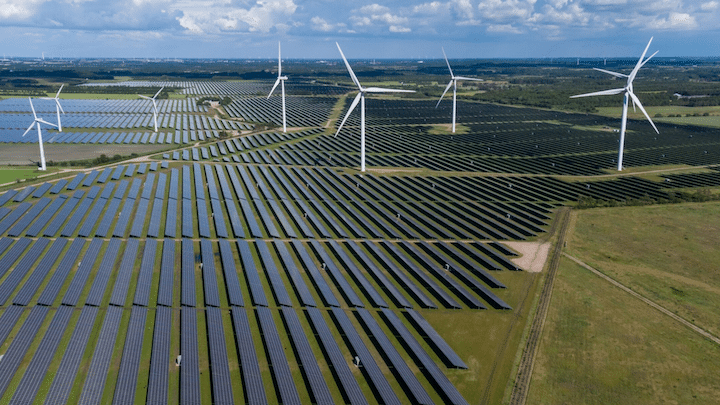
Energy abundance means different things in today’s global context than it did even a decade ago. It is about expanding electricity access while meeting rising energy demand. It...
PCCMs facilitate the generation, trading, and retirement of carbon credits from projects that remove, reduce, or avoid greenhouse gas emissions. By creating a revenue stream from verified climate...
Event
About Us
We are the premier hub and policy institution for global energy thought leadership. Energy impacts every element of our lives, and our trusted fact-based research informs the decisions that affect all of us.
U.S. Energy Outlook: A Conversation with Adam Sieminski
Past Event
November 20, 2015
4:30 am - 5:45 am
Share
Please join the Center on Global Energy Policy (CGEP) for a presentation and discussion on the US energy outlook with Adam Sieminski, Administrator, Energy Information Administration (EIA). Mr. Sieminski will present on the state of energy markets, identifying how current conditions in the marketplace affect long-term projections of US energy supply, demand and prices through 2040. Antoine Halff, CGEP Senior Fellow and Director, Global Oil Markets Program, will moderate the discussion with Mr. Sieminski. Registration is required. This event is open to press. It will also be livestreamed at: energypolicy.columbia.edu/watch A podcast of this event (in addition to other past Center events) will be available ~5 days after the date of the event through iTunes or via our website. For more information contact: [email protected]
This event will take place in-person in Washington DC, at the Rayburn House Office Building, Room 2168 (Gold Room). Advance registration is required. Announcing New Columbia University Publications...
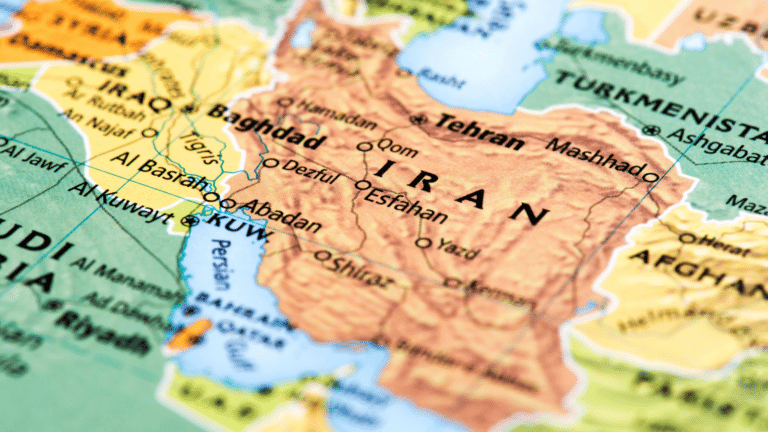
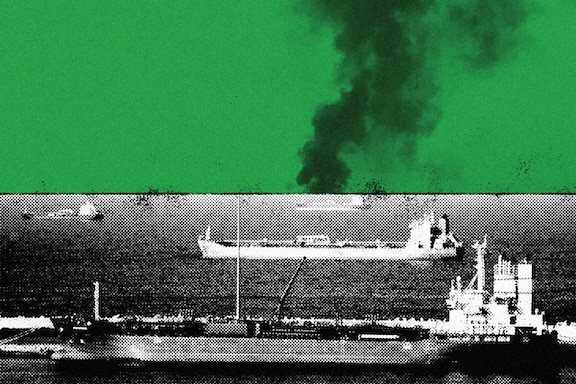
On February 28, the United States and Israel launched an attack on Iran, resulting in the deaths of Iranian Supreme Leader Ali Hosseini Khamenei and senior Iranian leaders...
Join the NYU SPS Center for Global Affairs, the Center on Global Energy Policy at Columbia University SIPA Women in Energy Initiative (WIE), and the NYU SPS Energy,...
Event
• NYU Kimmel Center for University Life
60 Washington Square South, 9th Floor, New York, NY 10012
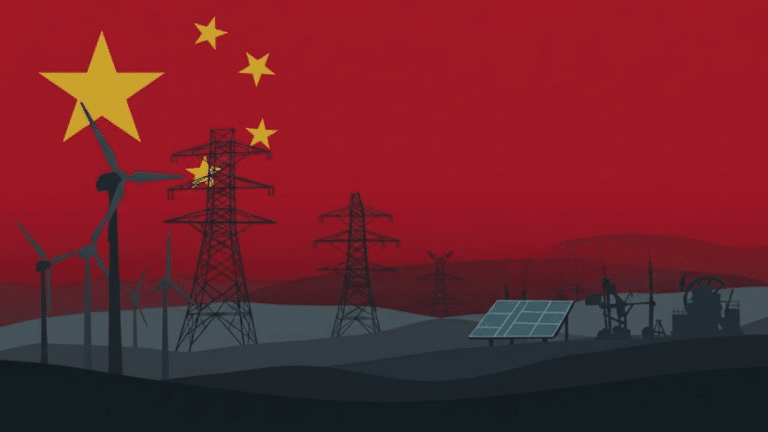
Two economic planning documents released at the March meeting of China's National People’s Congress include the term "energy powerhouse" for the first time.
The war in Iran is not just another energy shock. It is arriving at a moment when Europe is already under cumulative strain: a war on its eastern border, the lingering aftershocks of the 2022 energy crisis, industrial decline, political fragmentation, fiscal limits, and a widening debate over how much of its own security it must now provide.