This website uses cookies as well as similar tools and technologies to understand visitors’ experiences. By continuing to use this website, you consent to Columbia University’s usage of cookies and similar technologies, in accordance with the Columbia University Website Cookie Notice.
Venezuela’s oil production rose by 150,000 barrels per day (bpd) in the second quarter of 2026 and is currently at 1.2 million bpd, but growth levels could slow...
Critical minerals sit at the intersection of energy technology, industrial competitiveness, and economic resilience. The issue has hit a fever pitch in the United States, driving the Trump...
We are the premier hub and policy institution for global energy thought leadership. Energy impacts every element of our lives, and our trusted fact-based research informs the decisions that affect all of us.
The Center on Global Energy Policy hosted a discussion of the International Energy Agency’s World Energy Outlook 2014 (WEO-2014) with Dr. Fatih Birol, Chief Economist and Director of Global Energy Economics, International Energy Agency (IEA).
The global energy landscape is evolving at a rapid pace, reshaping long-held expectations for our energy future. The WEO-2014 presents analyses and projections of medium- and longer-term energy trends and the potential impact of these developments on energy security, the economy, and the environment. Dr. Birol will discuss the main findings from the WEO-2014, as well as the special topics covered in-depth in this year’s edition, including:
Trends in energy sector investment, including an examination of the scale of investment required and financing options;
Energy outlook for Africa, with a focus on the prospects for improving access to modern energy services and developing the region’s resource potential;
Outlook for nuclear power, including policy trends, financing options, and competitiveness versus other generation sources
Center Director Jason Bordoff moderated a discussion following the presentation.
This event will take place in-person in Washington DC, at the Rayburn House Office Building, Room 2168 (Gold Room). Advance registration is required. Announcing New Columbia University Publications...
This roundtable is open only to currently enrolled Columbia University students. To register, you must sign in with your UNI. The Center on Global Energy Policy (CGEP) at...
Event
• Center on Global Energy Policy
1255 Amsterdam Ave, New York, NY 10027
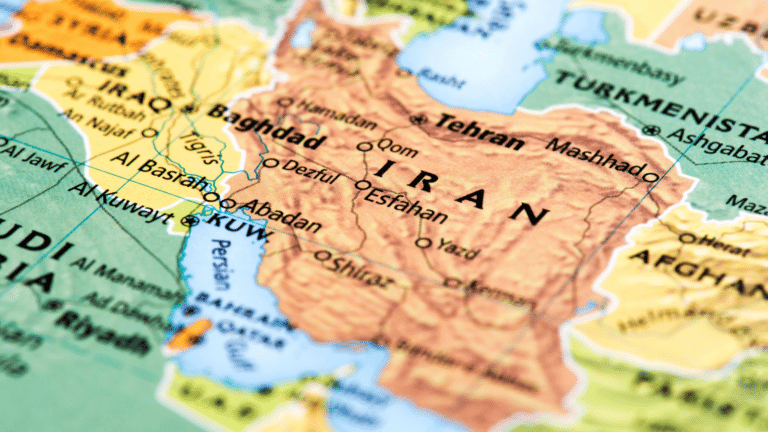
On February 28, the United States and Israel launched an attack on Iran, resulting in the deaths of Iranian Supreme Leader Ali Hosseini Khamenei and senior Iranian leaders...