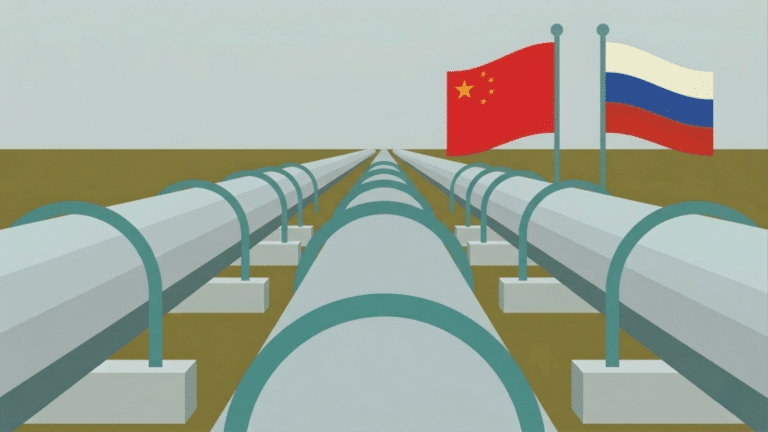
Trump promoted fossil fuels. His war is pushing the world away from them.
As oil prices spike, governments are slashing fuel use and eyeing renewables — threatening to erode global demand for fossil energy.
Get the latest as our experts share their insights on global energy policy.
On February 28, the US and Israel launched new attacks on Iran targeting primarily the country's leadership, security forces, and missile program.
Hear in-depth conversations with the world’s top energy and climate leaders from government, business, academia, and civil society.
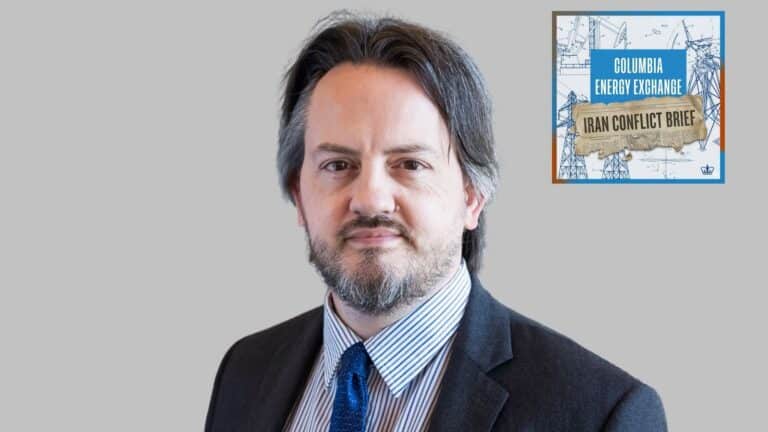
While US and Israeli forces have significantly degraded Iran’s military and nuclear capability, the global energy landscape remains in a precarious position. For weeks, the Strait of Hormuz...
Find out more about our upcoming and past events.
This roundtable is open only to currently enrolled Columbia University students. To register, you must sign in with your UNI. Join the Center on Global Energy Policy’s Women...
On Daybreak Africa: Russia refuses to extend a UN-brokered Ukraine grain deal. Plus, Al-Shabaab imposes a blockade on Baidoa town in Somalia. Some Sudanese call on the two warring military factions to engage in genuine dialogue. Civil and human rights defenders call for the immediate release of the suspended Central Bank of Nigeria Governor. The only Sierra Leone opposition MP to take the oath of office defends his decision. For this and more tune to Daybreak Africa!
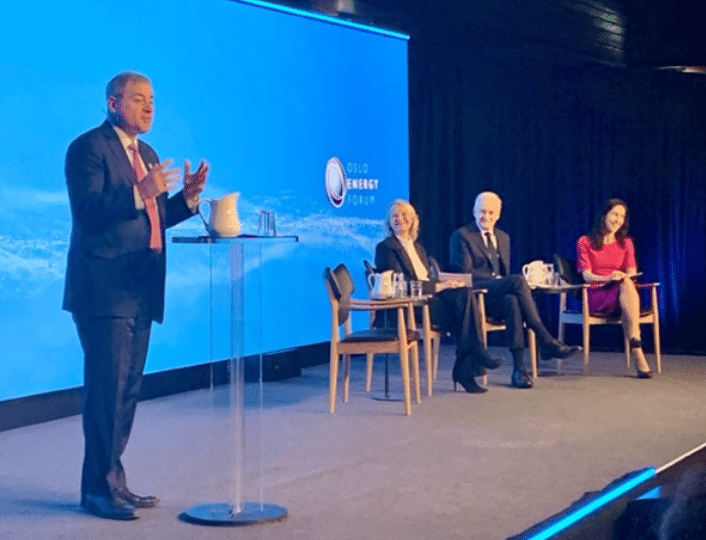
I’m en route home after a week in Europe—first at the Oslo Energy Forum and then at the Munich Security Conference. Munich generated considerable news and drama, but...
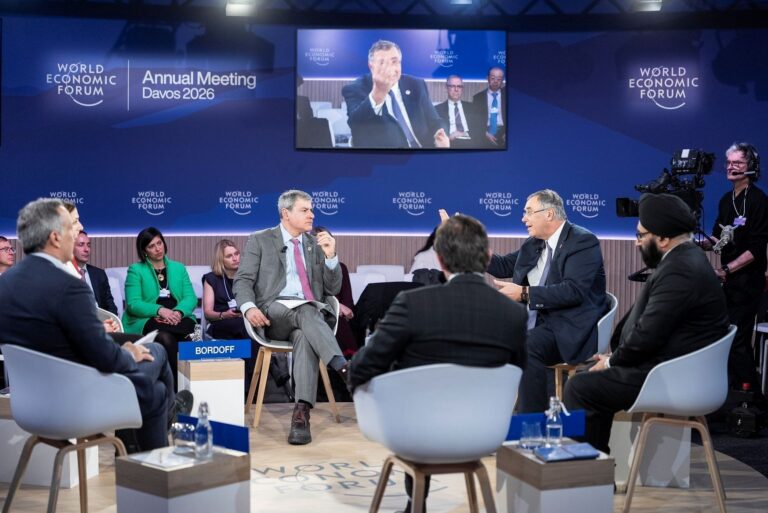
As the train pulls away from Davos Dorf station through the snow-capped Swiss mountains, I find myself reflecting on a rather extraordinary week at the World Economic Forum’s Annual Meeting in Davos. While many questioned Davos’ continuing relevance last year, it is difficult to argue that this year’s gathering was not among the most consequential in recent memory, shaped in large part by President Trump’s dominant presence throughout the week’s discussions.
The arrest of Venezuelan President Nicolas Maduro, on Saturday, sent shockwaves across the globe. And although the targeted military operation was a success, th
President Trump says the U.S. will "take back" Venezuela's oil. NPR's Leila Fadel talks to Jason Bordoff, founding director of Columbia University's Center on Global Energy Policy, about his remarks.
On February 28, the US and Israel launched new attacks on Iran targeting primarily the country's leadership, security forces, and missile program.
The war in Iran has significantly enhanced Latin America's geopolitical advantage as a reliable source of hydrocarbon resources.
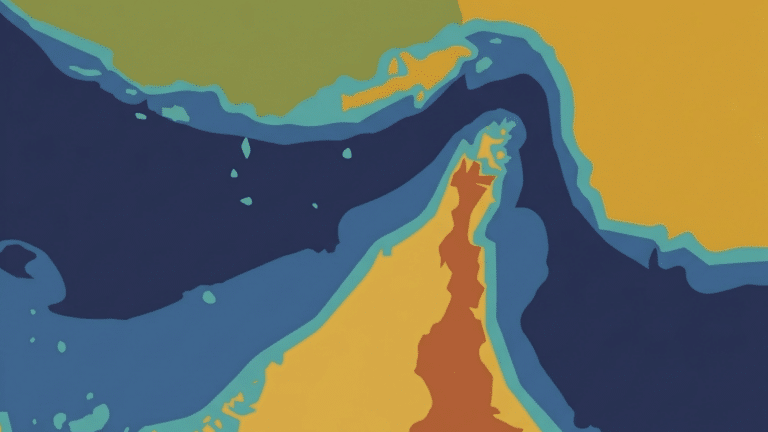
The Iran conflict could increase the appeal of Russia as an energy supplier for China.