NY energy experts, advocates say Iran war shows need for Hochul to implement climate law
Gov. Hochul’s reliance on fossil fuels may end up costing more than renewables, clean energy advocates say.
Current Access Level “I” – ID Only: CUID holders, alumni, and approved guests only
Get the latest as our experts share their insights on global energy policy.
On February 28, the US and Israel launched new attacks on Iran targeting primarily the country's leadership, security forces, and missile program.
Hear in-depth conversations with the world’s top energy and climate leaders from government, business, academia, and civil society.
While US and Israeli forces have significantly degraded Iran’s military and nuclear capability, the global energy landscape remains in a precarious position. For weeks, the Strait of Hormuz...
Find out more about our upcoming and past events.
This roundtable is open only to currently enrolled Columbia University students. To register, you must sign in with your UNI. Join the Center on Global Energy Policy’s Women...

The year 2020 promises to be a tumultuous one in the U.S. for any number of reasons, including a national election, an impeachment of the president and ongoing divisions between Republicans and Democrats over the future course of government. And among the issues that continues to heat up is climate change.
In this edition of Columbia Energy Exchange, host Bill Loveless meets with two of the leading energy and environment reporters in Washington: Steve Mufson of The Washington Post and Amy Harder of Axios.
Steve has worked at The Post since 1989, covering the White House, China, economic policy and diplomacy as well as energy. His current beat is the business of climate change. Earlier, he worked at the Wall Street Journal in New York, London and Johannesburg.
Amy has been with Axios for three years, with her column, the “Harder Line,” a regular feature of the news service. Previously, she was a reporter at the Wall Street Journal and the National Journal.
Sitting down with top energy and environment reporters in January to talk about what’s in store for energy and climate issues in the new year has been a regular feature for Bill for several years now, and Steve and Amy offer a behind-the-scenes look at some of the major stories and trends taking place.
The program also offers Bill an opportunity to talk about the Energy Journalism Initiative, an annual seminar conducted by the Center on Global Energy Policy to help energy journalists deepen their understanding of complex issues associated with the beat. The deadline for applications is Feb. 16.
While US and Israeli forces have significantly degraded Iran’s military and nuclear capability, the global energy landscape remains in a precarious position. For weeks, the Strait of Hormuz...
During President Trump’s second term, the administration has taken unprecedented action in the US private sector. The federal government’s investments in critical mineral mining and chip manufacturing are...

Today marks the last day of CERAWeek, the annual energy industry conference sometimes described as the Davos of energy. As oil and gas CEOs and government officials gathered...
The Iran conflict has rapidly expanded, drawing in actors across the Middle East and raising concerns about broader regional escalation.
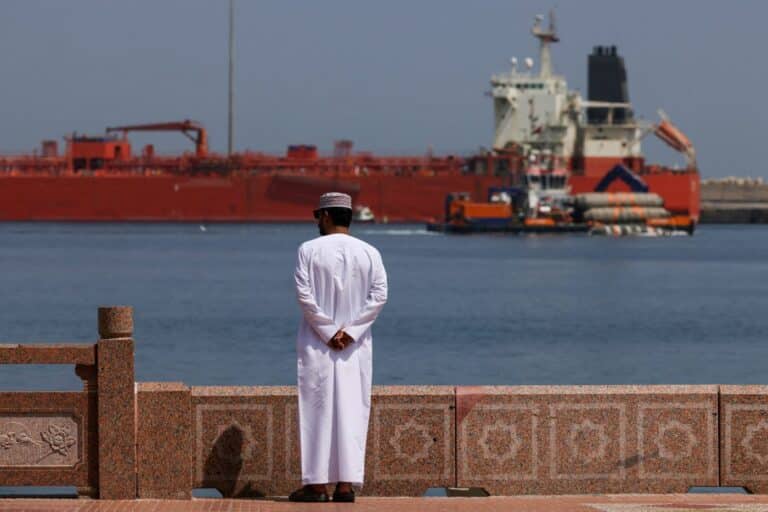
The Iran war will accelerate the region’s economic transformation.
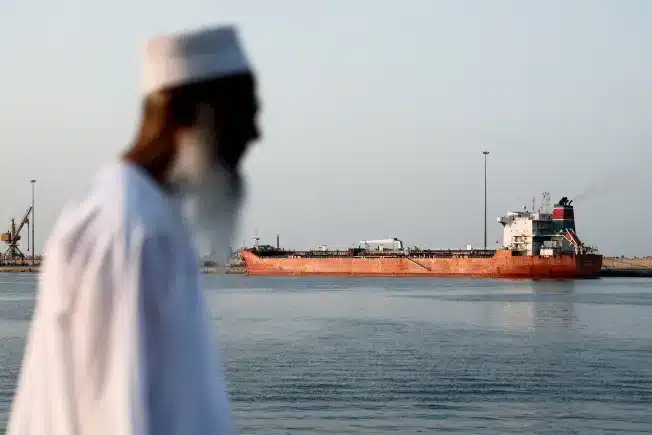
On February 28, the US and Israel launched new attacks on Iran targeting primarily the country's leadership, security forces, and missile program.
The war in Iran has significantly enhanced Latin America's geopolitical advantage as a reliable source of hydrocarbon resources.