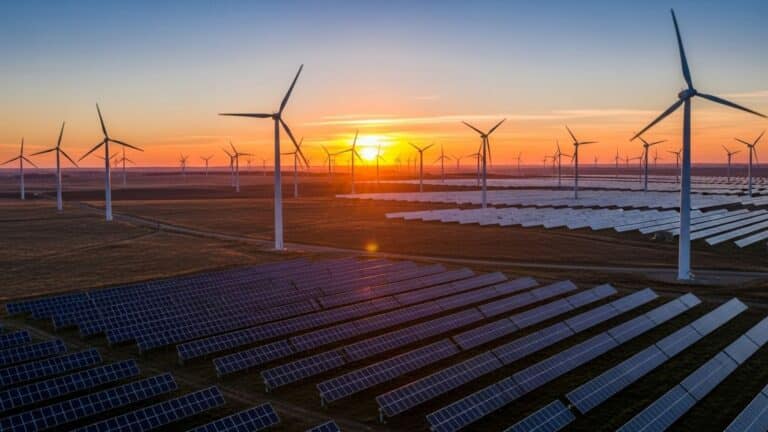
La caída a largo plazo de suministro de Qatar no provocará escasez, pero se notará en la factura del gas
Apenas el 3% del gas licuado que importa España viene del emirato, con Italia y Bélgica como los más afectados en Europa
Current Access Level “I” – ID Only: CUID holders, alumni, and approved guests only
Get the latest as our experts share their insights on global energy policy.
The war in Iran has significantly enhanced Latin America's geopolitical advantage as a reliable source of hydrocarbon resources.

Hear in-depth conversations with the world’s top energy and climate leaders from government, business, academia, and civil society.
During President Trump’s second term, the administration has taken unprecedented action in the US private sector. The federal government’s investments in critical mineral mining and chip manufacturing are...
Find out more about our upcoming and past events.
This roundtable is open only to currently enrolled Columbia University students. To register, you must sign in with your UNI. The Center on Global Energy Policy at Columbia...

Like many nations around the world grappling with climate change and threats to the natural environment and public health, Canada is taking action to address these challenges, including ratification of the Paris Agreement and a pledge to reduce domestic greenhouse gas emissions by thirty percent in 2030 from 2005 levels. Prime Minister Justin Trudeau has called for a national carbon pricing plan among other policies, at the same time that the government is making strategic investments to sustain the country’s transition to a clean-growth economy.
The Center on Global Energy Policy hosted a conversation with the Hon. Catherine McKenna, Canadian Minister of Environment and Climate Change. Minister McKenna offered brief remarks focused on Canada’s work in climate change, but most of the time was devoted to answering students’ questions. CGEP Fellow and Senior Adjunct Research Scholar, Jonathan Elkind moderated the conversation.
During President Trump’s second term, the administration has taken unprecedented action in the US private sector. The federal government’s investments in critical mineral mining and chip manufacturing are...
Today marks the last day of CERAWeek, the annual energy industry conference sometimes described as the Davos of energy. As oil and gas CEOs and government officials gathered...
The Iran conflict has rapidly expanded, drawing in actors across the Middle East and raising concerns about broader regional escalation.
Nearly a month in, the conflict in Iran appears to have hit a critical inflection point. Over the weekend, President Trump gave Iran a 48-hour ultimatum to open...
On March 20, Governor Kathy Hochul proposed significant changes to New York’s Climate Leadership and Community Protection Act (CLCPA), the landmark climate law passed in 2019.

In January 2026, the UK government publicly released an intelligence report analyzing the security implications of global environmental destruction.
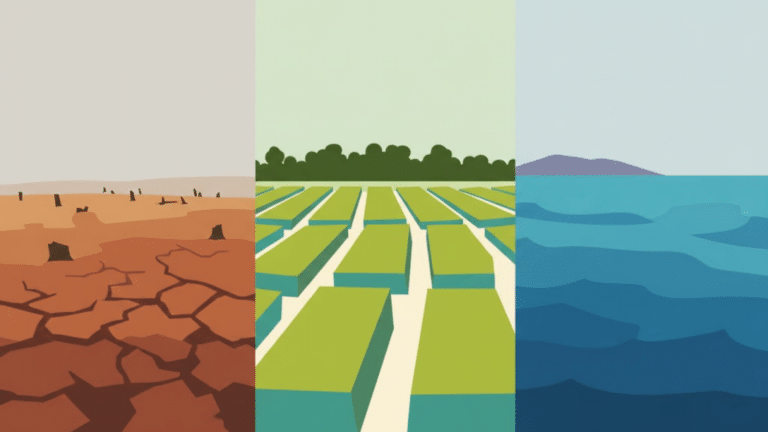
Models can predict catastrophic or modest damages from climate change, but not which of these futures is coming.

On November 6, 2025, in the lead-up to the annual UN Conference of the Parties (COP30), the Center on Global Energy Policy (CGEP) at Columbia University SIPA convened a roundtable on project-based carbon credit markets (PCCMs) in São Paulo, Brazil—a country that both hosted this year’s COP and is well-positioned to shape the next phase of global carbon markets by leveraging its experience in nature-based solutions.