Everyone Wants in on Brazil’s Rare Earths
But is Brasília ready to meet the moment?
Get the latest as our experts share their insights on global energy policy.
The Center on Global Energy Policy is providing live updates on key developments related to the Iran crisis. Check back here for the latest.
Hear in-depth conversations with the world’s top energy and climate leaders from government, business, academia, and civil society.
Grid operators sit at the center of many of the biggest forces reshaping the global energy system. They’re navigating rising electricity demand, a lack of transmission infrastructure, shifting...

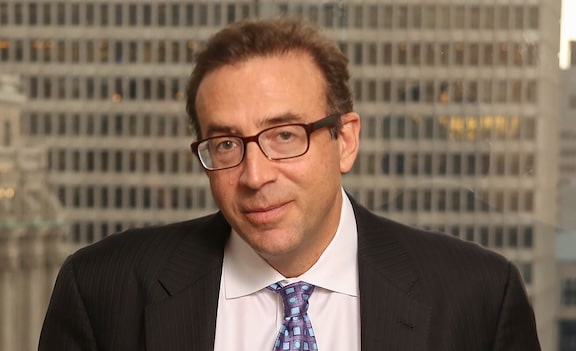
Editor, Amwaj.media
With an April 21 deadline looming, the Middle East remains suspended in a volatile state of war and peace. Regional mediators are scrambling to broker a second round of US-Iran talks before the current two-week ceasefire expires, hoping to narrow gaps over nuclear ambitions and the Strait of Hormuz to buy critical time for a lasting truce.
In this episode of Iran Conflict Brief, Daniel Sternoff is joined by Mohammad Ali Shabani to analyze the shifts in Tehran’s decision-making and the precarious future of the current diplomatic reprieve.
Shabani, editor of Amwaj.media and a veteran analyst of Persian Gulf power dynamics, provides a rare look inside the competing circles of influence in Tehran. He and Daniel address a fundamental question: if the regime survives this conflict, can the Islamic Revolutionary Guard Corp ever pivot away from its “resistance” ideology, or is holding global energy flows hostage now an existential pillar of its survival?
Grid operators sit at the center of many of the biggest forces reshaping the global energy system. They’re navigating rising electricity demand, a lack of transmission infrastructure, shifting...
Concerns about the affordability of electricity in the US have been rising along with prices. And while the headlines have pointed to AI and data centers as the...

The energy transition is in the midst of its own transition. Spiking electricity demand and geopolitical events are driving up energy prices, while debates over the best sources...
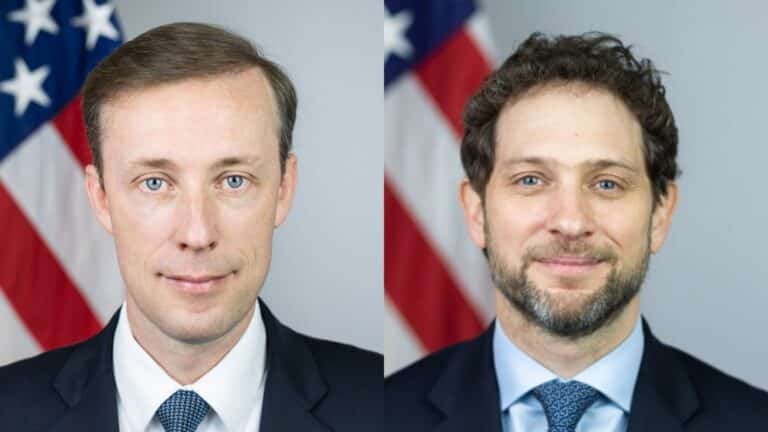
Yesterday, the US and Iran signed a memorandum of understanding starting the clock on a 60-day truce. The agreement intends to halt attacks, begin lifting the US naval...
The Center on Global Energy Policy is providing live updates on key developments related to the Iran crisis. Check back here for the latest.
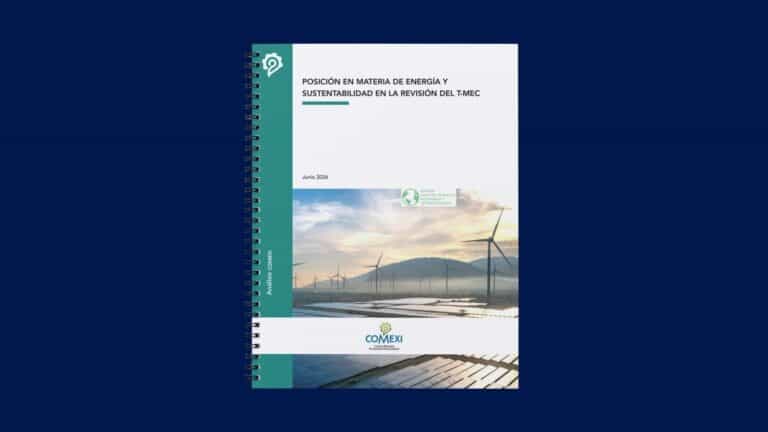
El Consejo Mexicano de Asuntos Internacionales (COMEXI) y la Unidad de Estudio y Reflexión sobre Energía y Sustentabilidad, presentan el análisis: “Posición en materia de energía y sustentabilidad en la revisión del T-MEC" El documento analiza cómo México puede aprovechar este proceso para fortalecer la integración energética de América del
The UNFCCC process is marred by gridlock in the COP multilateral framework, threatening joint efforts by countries to mitigate the climate crisis.
The White House declared last week that President Trump finally "broke OPEC" after the United Arab Emirates withdrew from the cartel.