How Texas plans to serve ‘infinite demand’
Eric Goff, founder of Goff Policy on batch zero, transmission planning, and how Texas can serve new load without shifting costs onto existing customers.
Get the latest as our experts share their insights on global energy policy.
Many analyses of what the conflict in the Middle East means for China's energy security have rightly focused on China's oil and natural gas imports from the region.
Hear in-depth conversations with the world’s top energy and climate leaders from government, business, academia, and civil society.
For years, the energy transition was discussed as a shift that would happen in steady, predictable increments. But the last 24 months have shattered that illusion. Energy providers...

While US and Israeli forces have significantly degraded Iran’s military and nuclear capability, the global energy landscape remains in a precarious position. For weeks, the Strait of Hormuz has been effectively shut to tanker traffic, causing physical markets to tighten and rationing to spread across Asia. With the US considering an “off-ramp” to declare victory, the world faces a critical dilemma: can the global economy survive a peace that leaves Iran in control of the world’s most vital maritime chokepoint?
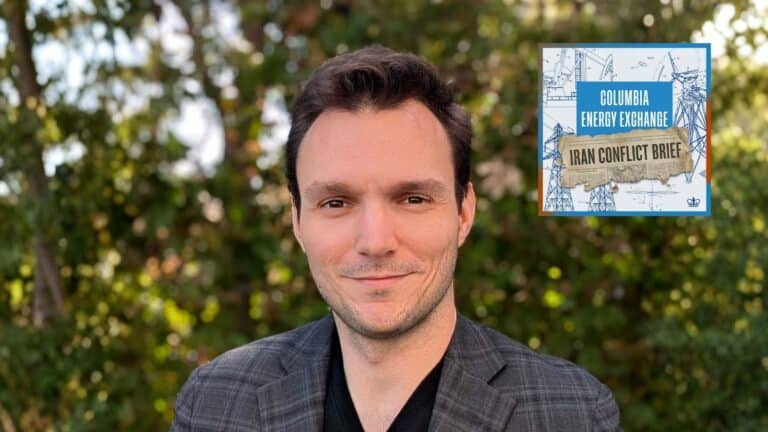
In this episode of the Iran Conflict Brief, host Daniel Sternoff speaks with Robin Mills to provide a view from the ground in Dubai. They discuss the reality of living under frequent drone and missile alerts, the “tit-for-tat” targeting of industrial infrastructure, and what it would take to reopen the Gulf. They also explore the long-term threat to the GCC’s economic diversification models and the potential multi-year recovery timeline for regional LNG production.
Robin Mills is a Dubai-based non-resident fellow at the Center on Global Energy Policy and the CEO of Qamar Energy. With over two decades of experience in the Middle East, including roles at Shell and the Emirates National Oil Company, Robin is a leading authority on regional oil and gas business development and the author of The Myth of the Oil Crisis.
For years, the energy transition was discussed as a shift that would happen in steady, predictable increments. But the last 24 months have shattered that illusion. Energy providers...
The Iran crisis is in its 80th day. Right now, roughly 1,500 vessels laden with oil, natural gas, fertilizers, and oil products sit trapped in the Persian Gulf...
Much of the world’s attention today is understandably focused on conflict in the Middle East, and the immediate implications for energy markets and global security. But other regions...

In moments of geopolitical crisis, energy is never just a backdrop. It's often at the center of the story. Today, as conflict involving Iran sends shockwaves through global...
The White House declared last week that President Trump finally "broke OPEC" after the United Arab Emirates withdrew from the cartel.
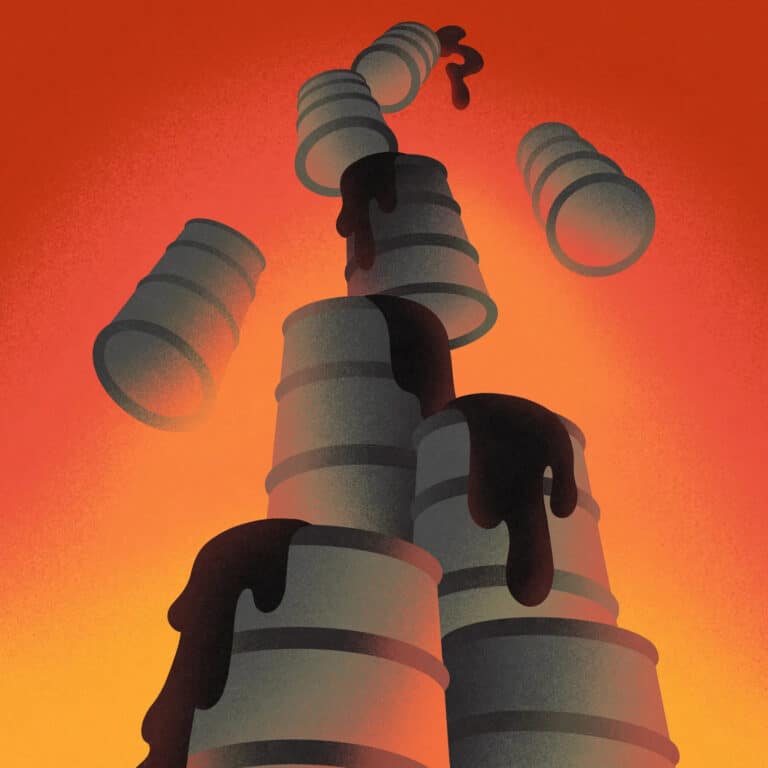
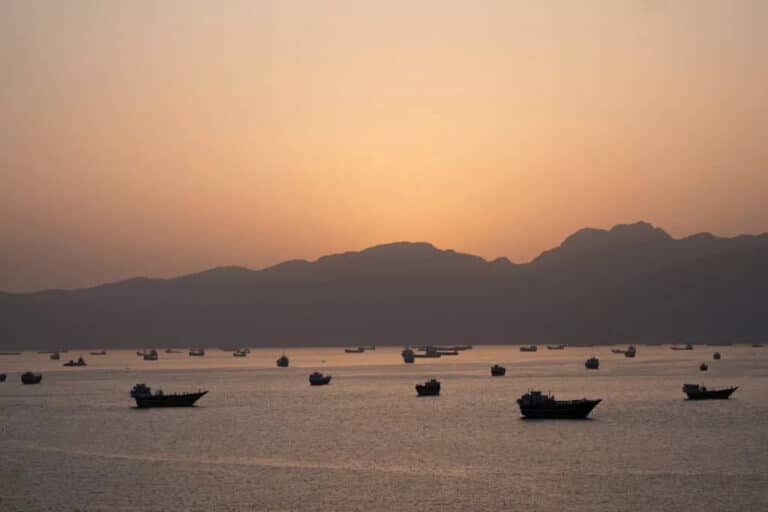
The US blockade of tankers serving Iran's oil exports is intended to cut Iranian oil exports to near-zero.
On February 28, the US and Israel launched new attacks on Iran targeting primarily the country's leadership, security forces, and missile program.