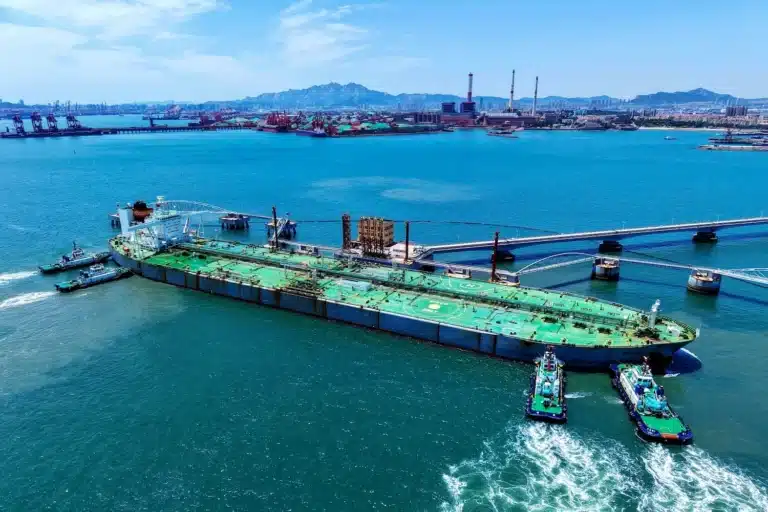
“Everything up in the air”: LNG, the Strait of Hormuz, and Central & Eastern Europe’s energy future
"LNG shipments to Central & Eastern Europe are reliable as long as those gas markets are not overly dependent upon one supplier."
Get the latest as our experts share their insights on global energy policy.
On February 28, the US and Israel launched new attacks on Iran targeting primarily the country's leadership, security forces, and missile program.
Hear in-depth conversations with the world’s top energy and climate leaders from government, business, academia, and civil society.
It’s been a head-spinning day in the Iran war. Earlier today, following a temporary truce between Lebanon and Israel, Iran announced that the Strait of Hormuz would be...

Find out more about our upcoming and past events.
The Columbia Global Energy Summit 2026 is an annual event dedicated to thought-provoking discussions around the critical energy and climate challenges facing the global community.
"LNG shipments to Central & Eastern Europe are reliable as long as those gas markets are not overly dependent upon one supplier."
If the Strait of Hormuz completely reopens, it still might not be enough to restart the economies in the Persian Gulf. Many countries there have been hammered by the oil crisis. And although allowing ships through would stanch the immediate bloodletting in the energy sector, other sectors might not spring back so quickly. Tourists are visiting less. Property markets are at risk. On today’s show, we survey the economic damage to countries in the Gulf. And try to get a sense of the long-term economic implications. The Indicator is launching a newsletter! The very first email goes out this Friday. Be among the first and sign-up now: npr.org/newsletter/indicator Come see Planet Money live on stage! 12 cities. Details and tix here: planetmoneybook.com/#tourRelated episodes: Think the oil shock is bad in the US? Look hereHow are drivers riding out the gas crisis? Will Trump’s shipping insurance plan work?For sponsor-free episodes of The Indicator from Planet Money, subscribe to Planet Money+ via Apple Podcasts or at plus.npr.org. Fact-checking by Sierra Juarez. Music by Drop Electric. Find us: TikTok, Instagram, Facebook, Newsletter.
Almost 90 percent of the LNG that transited the Strait of Hormuz in 2025 was destined for Asian countries.
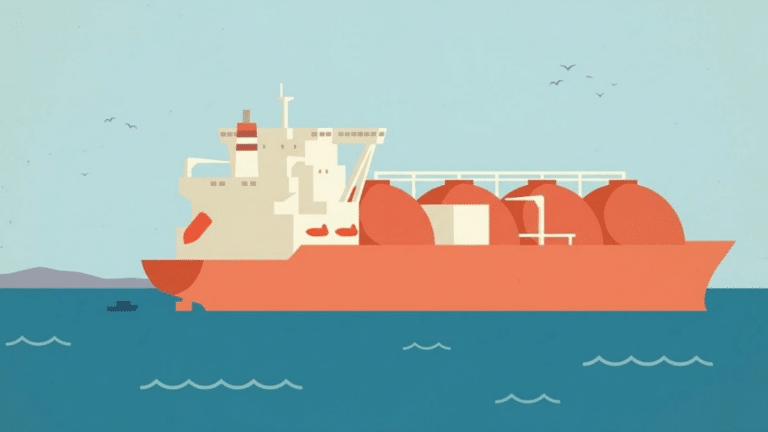
When the Iran War disrupted shipping through the Strait of Hormuz and tightened global gas balances, a familiar assumption quickly resurfaced: Russia, possessing the largest proven natural gas reserves in the world, would inevitably emerge as one of the principal beneficiaries.
Amid global oil and gas disruptions, China stands prepared for the electrostate era.