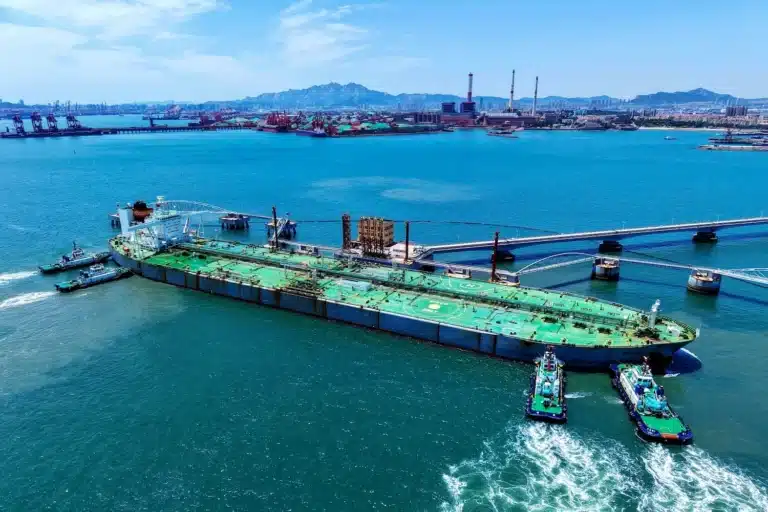
“Everything up in the air”: LNG, the Strait of Hormuz, and Central & Eastern Europe’s energy future
"LNG shipments to Central & Eastern Europe are reliable as long as those gas markets are not overly dependent upon one supplier."
Get the latest as our experts share their insights on global energy policy.
On February 28, the US and Israel launched new attacks on Iran targeting primarily the country's leadership, security forces, and missile program.
Hear in-depth conversations with the world’s top energy and climate leaders from government, business, academia, and civil society.
It’s been a head-spinning day in the Iran war. Earlier today, following a temporary truce between Lebanon and Israel, Iran announced that the Strait of Hormuz would be...

Find out more about our upcoming and past events.
The Columbia Global Energy Summit 2026 is an annual event dedicated to thought-provoking discussions around the critical energy and climate challenges facing the global community.
In a flurry of Inauguration Day actions to promote his “drill, baby, drill” agenda, President Trump issued an executive order declaring a “national energy emergency.” He also directed the Department of Energy to restart reviews of permits for the export of liquefied natural gas (LNG) “as expeditiously as possible.” But experts say there is no factual basis for Trump’s “national energy emergency,” with the amount of oil and gas produced in the U.S. soaring to record-breaking volumes during the Biden Administration. And Presidential orders do not direct the actions of FERC, an independent federal agency that reviews LNG terminals.
"LNG shipments to Central & Eastern Europe are reliable as long as those gas markets are not overly dependent upon one supplier."
La Unión Europea se comprometió a comprar u$s 250.000 millones anuales en energía estadounidense. En 2024 compró u$s80.000 millones y fue menor en 2025. Analistas de Kpler, Argus y Columbia University coinciden en que la meta es físicamente irrealizable
Almost 90 percent of the LNG that transited the Strait of Hormuz in 2025 was destined for Asian countries.
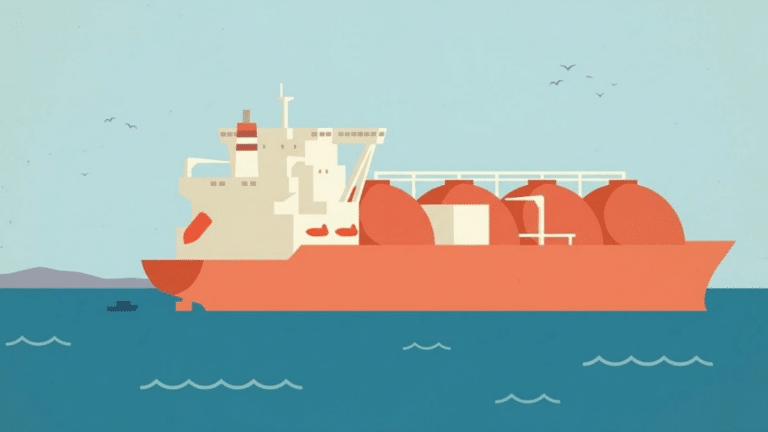
When the Iran War disrupted shipping through the Strait of Hormuz and tightened global gas balances, a familiar assumption quickly resurfaced: Russia, possessing the largest proven natural gas reserves in the world, would inevitably emerge as one of the principal beneficiaries.
Amid global oil and gas disruptions, China stands prepared for the electrostate era.