“Everything up in the air”: LNG, the Strait of Hormuz, and Central & Eastern Europe’s energy future
"LNG shipments to Central & Eastern Europe are reliable as long as those gas markets are not overly dependent upon one supplier."
Get the latest as our experts share their insights on global energy policy.
On February 28, the US and Israel launched new attacks on Iran targeting primarily the country's leadership, security forces, and missile program.
Hear in-depth conversations with the world’s top energy and climate leaders from government, business, academia, and civil society.
The global order that shaped the past several decades is giving way to a more fragmented and uncertain world. Long-standing alliances are under strain, economic integration is giving...
Find out more about our upcoming and past events.
The Columbia Global Energy Summit 2026 is an annual event dedicated to thought-provoking discussions around the critical energy and climate challenges facing the global community.
On September 12, AGSIW hosted a discussion on Saudi Arabiaâs reforms and the prospects for its economy.SpeakersAmine Mati, Assistant Director, Mission Chief ...
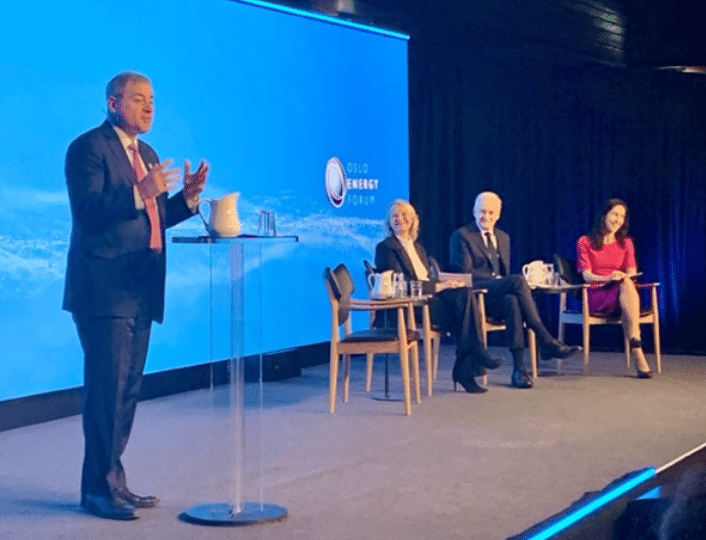
I’m en route home after a week in Europe—first at the Oslo Energy Forum and then at the Munich Security Conference. Munich generated considerable news and drama, but...
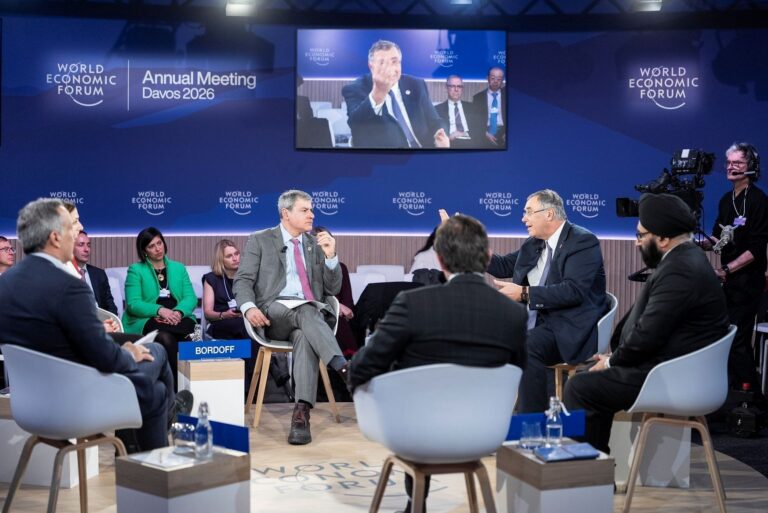
As the train pulls away from Davos Dorf station through the snow-capped Swiss mountains, I find myself reflecting on a rather extraordinary week at the World Economic Forum’s Annual Meeting in Davos. While many questioned Davos’ continuing relevance last year, it is difficult to argue that this year’s gathering was not among the most consequential in recent memory, shaped in large part by President Trump’s dominant presence throughout the week’s discussions.
The arrest of Venezuelan President Nicolas Maduro, on Saturday, sent shockwaves across the globe. And although the targeted military operation was a success, th

President Trump says the U.S. will "take back" Venezuela's oil. NPR's Leila Fadel talks to Jason Bordoff, founding director of Columbia University's Center on Global Energy Policy, about his remarks.
On February 28, the US and Israel launched new attacks on Iran targeting primarily the country's leadership, security forces, and missile program.
The Iran war has disrupted Eastern Mediterranean gas production, exports, and development, threatened regional energy infrastructure, and increased political and investment uncertainty.
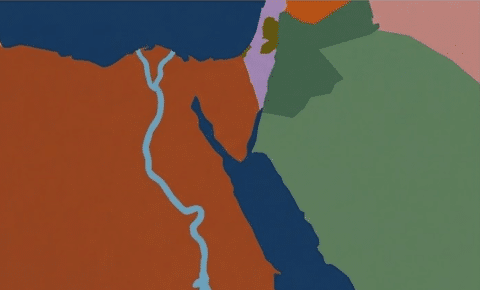
The US-Israeli war against Iran highlights the Gulf’s dual role as the backbone of global energy supply and a major source of systemic risk.