US oil stockpiles offset Saudi Arabia supply worries
Oil prices fell on Wednesday as US crude stockpiles rose, with fears of further escalation in the Saudi Arabia and Houthis conflict
Get the latest as our experts share their insights on global energy policy.
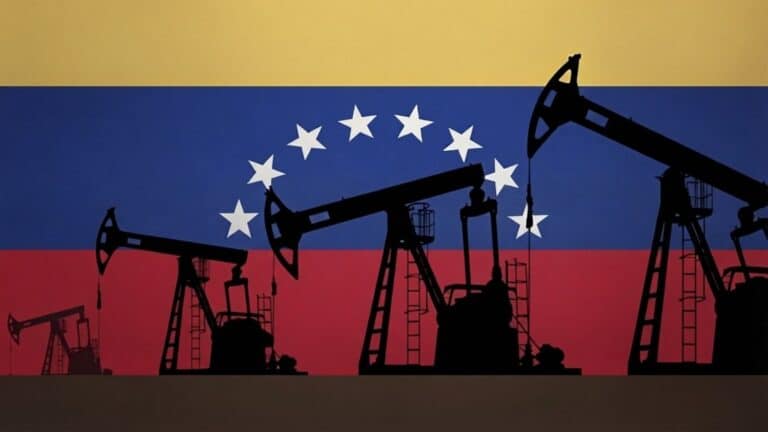
The White House announced last week an oil deal for more than 65 billion barrels of oil reserves in Venezuela and a 35% equity stake in North American Blue Energy Partners (NABEP).
Hear in-depth conversations with the world’s top energy and climate leaders from government, business, academia, and civil society.
More than six months into the war with Iran, the Strait of Hormuz crisis continues to cause turmoil in the Gulf region and global energy markets with no...

Find out more about our upcoming and past events.
Join industry leaders, innovators, employers, and emerging talent for an evening exploring the technologies, trends, and career opportunities shaping the future of climate tech.

 Columbia’s Carbon Accounting Project will study current methods that quantify and measure carbon emissions, and investigate the potential for new methods to create greater accountability and carbon emissions reductions across full product life cycles and major sectors of the economy.
The project will focus on the framework for carbon emissions accounting standards provided by the Greenhouse Gas Protocol, developed by the World Resources Institute (WRI) and the World Business Council for Sustainable Development (WBCSD), the most comprehensive and widely-used global standard for companies to measure and report their greenhouse gas emissions. The Corporate Value Chain Scope 3 standard measures indirect emissions that result from activities and assets not controlled or owned by the reporting organization across its value chain. This project will study and build on existing methodologies to account for value chain emissions reduced or eliminated by innovative products and services, including the role that materials and sustainable applications can play in achieving emissions reductions.
Drawing on input from key stakeholders representing environmental groups, industry, academia, and data and accounting firms, the project will investigate the potential for new accounting methods to calculate the environmental benefits of products and technologies that reduce or eliminate harmful greenhouse gas emissions that cause climate change, as well as developing new tools for decision-makers to accelerate global progress towards 2030 and 2050 emissions targets.
Dow (NYSE: DOW) and The Nature Conservancy are early supporters of this work, bringing significant global climate-related expertise and capabilities in their respective fields.
The Nepal flood that has left 1,000 people dead and close to 4,000 people missing, as of September 1, has also damaged hydropower plants that the country relies on.

Why U.S. economic models must account for climate change and the clean energy transition to improve policymaking, forecasting, and public investment decisions.