Morocco puts African Atlantic Gas Pipeline into UN financing pitch as Q4 FID target looms
Morocco has brought the roughly $25bn African Atlantic Gas Pipeline (AAGP) into a broader push for private and multilateral development capital as ...
Get the latest as our experts share their insights on global energy policy.
The Center on Global Energy Policy is providing live updates on key developments related to the Iran crisis. Check back here for the latest.
Hear in-depth conversations with the world’s top energy and climate leaders from government, business, academia, and civil society.
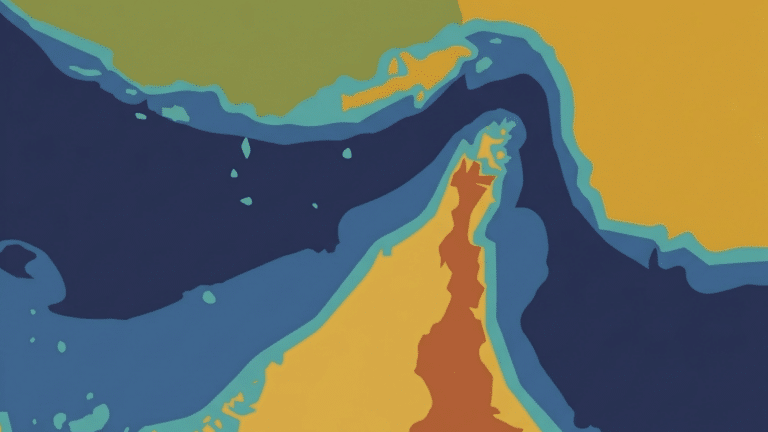
Seven months into the largest oil supply disruption in history, there's still no resolution in sight. This week, on the sidelines of the UN General Assembly, US and Iranian officials held their first indirect talks since the Memorandum of Understanding collapsed in July—but neither side appears ready for concessions.

Find out more about our upcoming and past events.
Apply to Register The Center on Global Energy Policy at Columbia University SIPA’s Women in Energy initiative invites Columbia University students to a roundtable discussion with Pam Brown,...

Explore independent and nonpartisan research that meets the high standards of academic integrity at Columbia University.
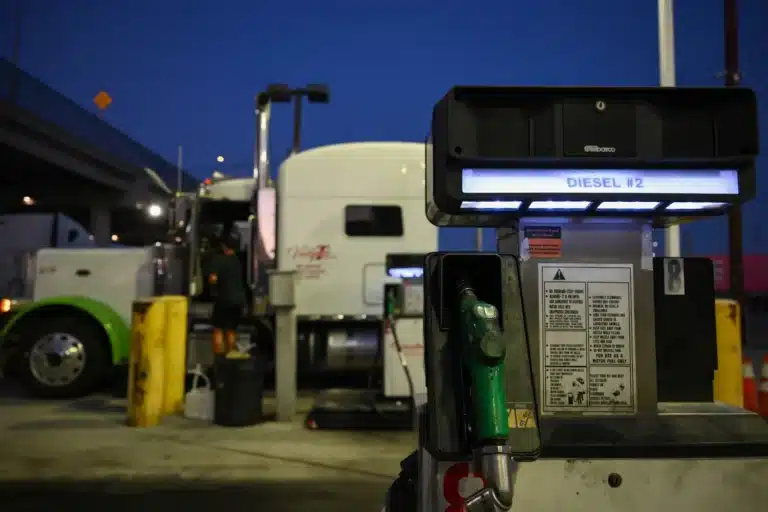
As inventories run dry and the Iran war continues to disrupt transit routes, oil has surged back to more than $100 per barrel. Diesel fuel—the workhorse of the agricultural and trucking sectors—has now soared to historic highs, pushing U.S. exports to record levels.
The Trump administration has submitted to Congress a new nuclear energy cooperation agreement with Saudi Arabia.
The Center on Global Energy Policy is providing live updates on key developments related to the Iran crisis. Check back here for the latest.
High and volatile energy costs continue to strain household budgets in cities across the United States.
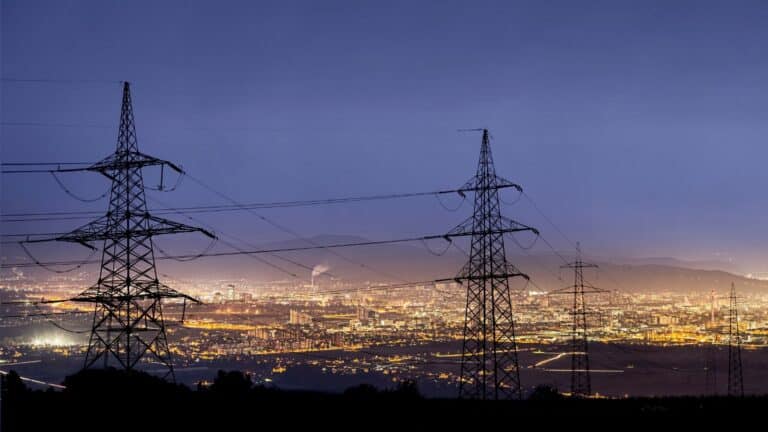
After decades without growth, electricity demand is surging, driven by energy-hungry data centers, new energy-intensive manufacturing facilities, and the increasing electrification of transportation and heating.
Over the past decade, governments in developed economies have expanded the use of public financing tools to support the development of clean energy and critical materials technologies.
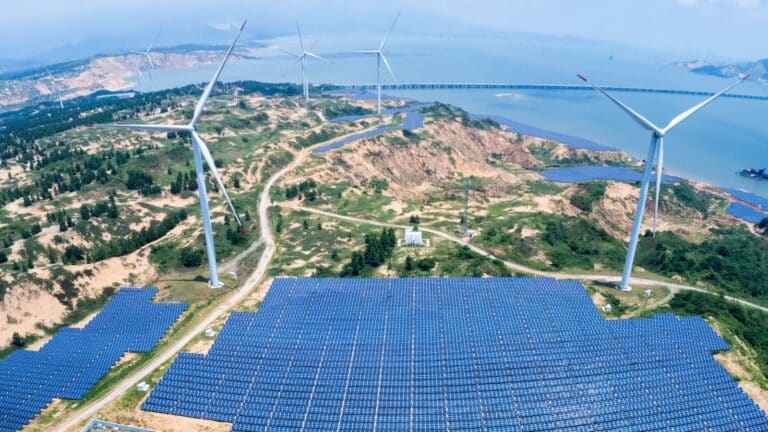
Governments in developed economies have expanded the use of public financing tools to support clean energy and critical materials technology development over the past decade.
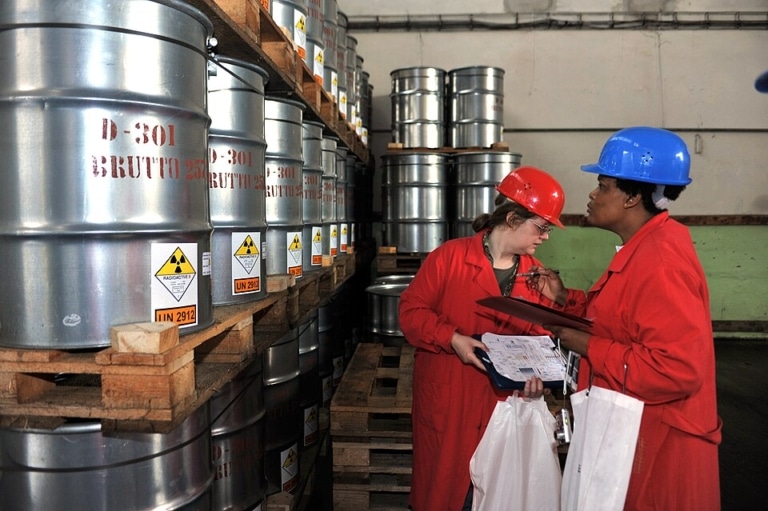
On Aug. 24, 2026, the Trump administration transmitted the text of the U.S.-Saudi nuclear cooperation agreement to Congress. By doing so, the
CHRONIQUE. Les réserves de gaz européennes affichent des taux de remplissage dangereusement faibles en ce début d’automne; que se passera-t-il si l’hiver est très froid, se demande la spécialiste de l’énergie de l’Université Columbia Anne-Sophie Corbeau

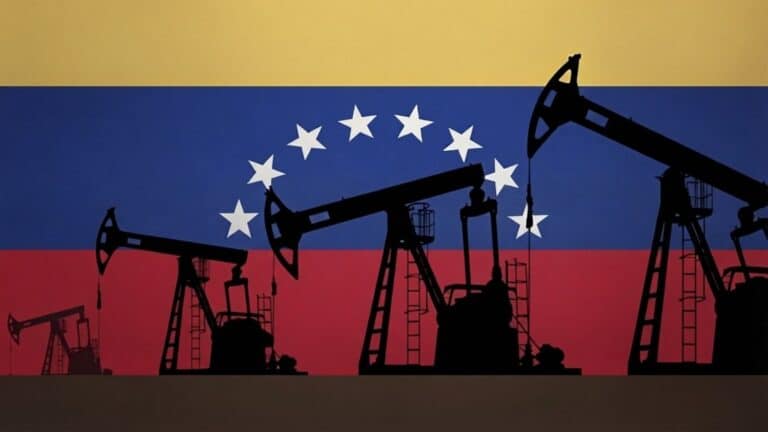
The White House announced last week an oil deal for more than 65 billion barrels of oil reserves in Venezuela and a 35% equity stake in North American Blue Energy Partners (NABEP).

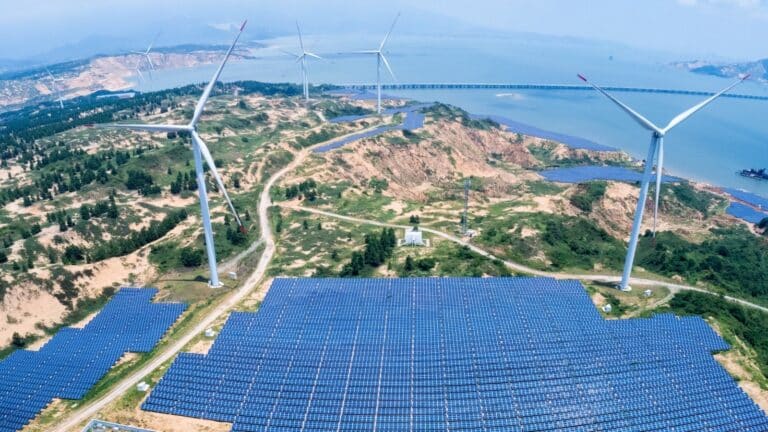
The Hormuz crisis is the latest in a series of disruptions that have exposed the continent’s energy vulnerabilities. The time to build resilience is between crises, not during them.
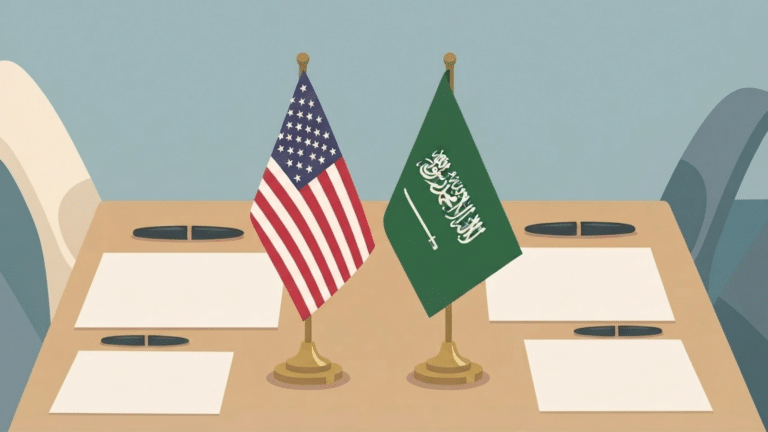
The Trump administration and Saudi leadership have reportedly agreed to a nuclear agreement that could enable US nuclear technology transfers to Saudi Arabia.