View / Hormuz limbo is now global oil’s top risk
Lost supply and a projected demand rebound have placed the oil market in a fragile equilibrium.
Get the latest as our experts share their insights on global energy policy.
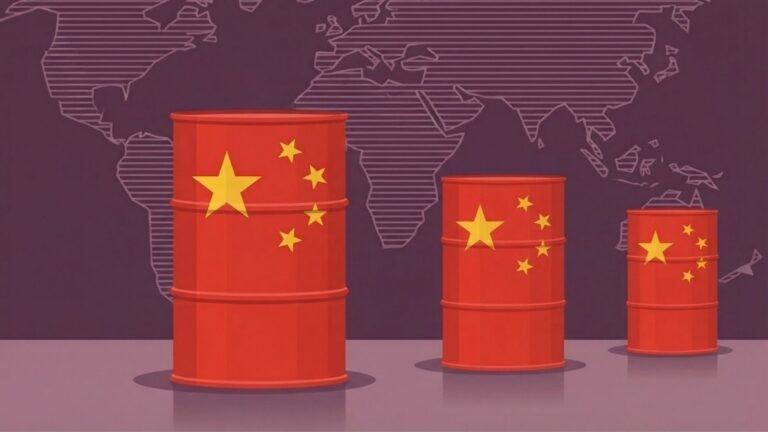
The ongoing disruption of oil exports through the Strait of Hormuz has caused a substantial decline in China's crude oil imports.
Hear in-depth conversations with the world’s top energy and climate leaders from government, business, academia, and civil society.
Abundance and affordability have become buzzwords among policymakers, who often have sharply different interpretations of how to attain them. To some, an energy abundance agenda means fewer regulatory...

Find out more about our upcoming and past events.
Join industry leaders, innovators, employers, and emerging talent for an evening exploring the technologies, trends, and career opportunities shaping the future of climate tech.

Explore independent and nonpartisan research that meets the high standards of academic integrity at Columbia University.
The centre of gravity of the global energy system has definitively shifted eastward, driven by rapid industrialisation, expanding urban populations, and rising
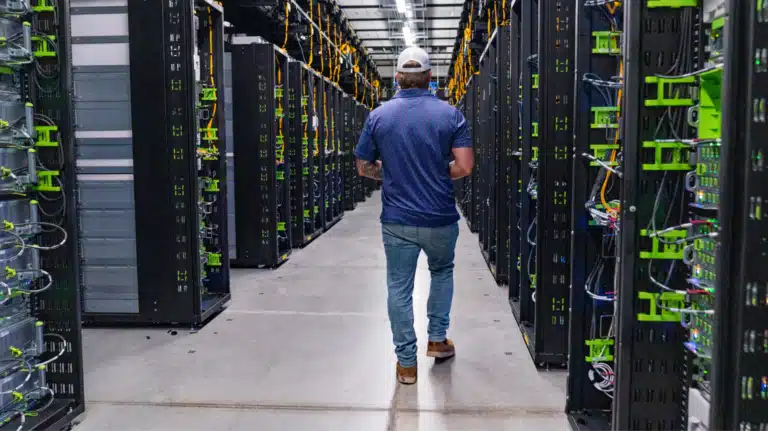
Data centers face growing local opposition as states impose moratoriums on hyperscale projects and grid connections. Communities can negotiate deals for tax revenue and jobs.
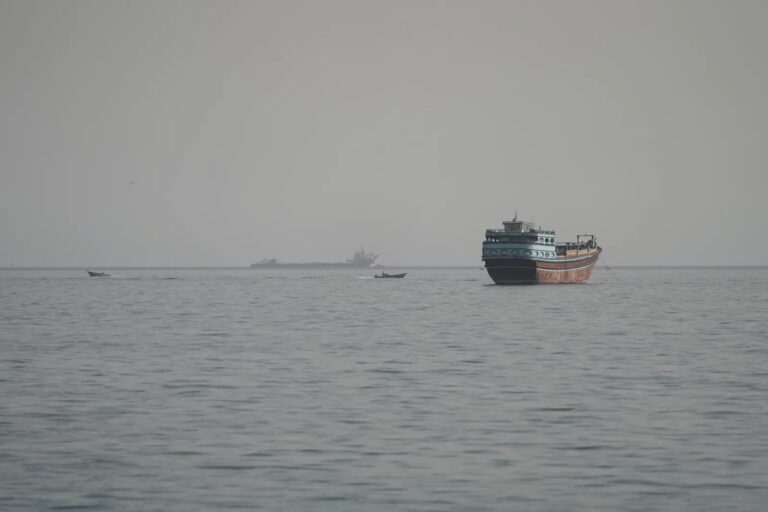
By almost any measure, the world should be suffering a far more severe energy crisis.

Concerns about greenhouse gas emissions, air pollution, and energy security are driving increased interest in nuclear power.
Elemento decisivo será coordenação estratégica
As the US and Europe navigate a difficult and uneven shift toward full battery electric vehicles (BEVs), the US and EU auto markets are under heavy pressure.

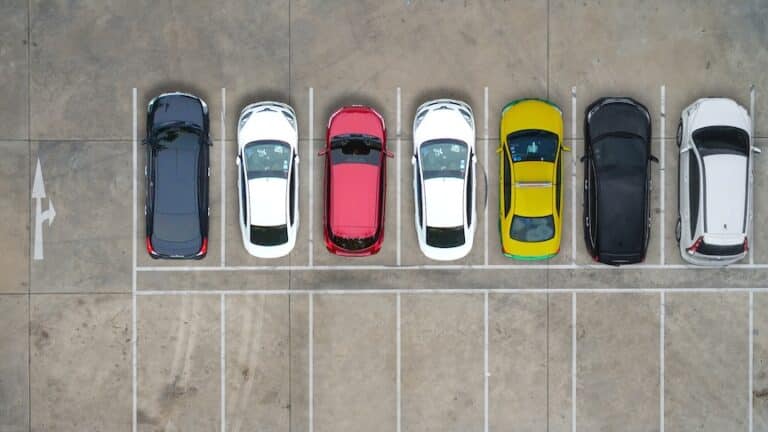
The global clean energy economy today looks starkly different than it did even 10 years ago. Not only have production and deployment of clean energy technologies expanded significantly, the geographic distribution of clean energy manufacturers, resellers, and end-users has shifted dramatically.
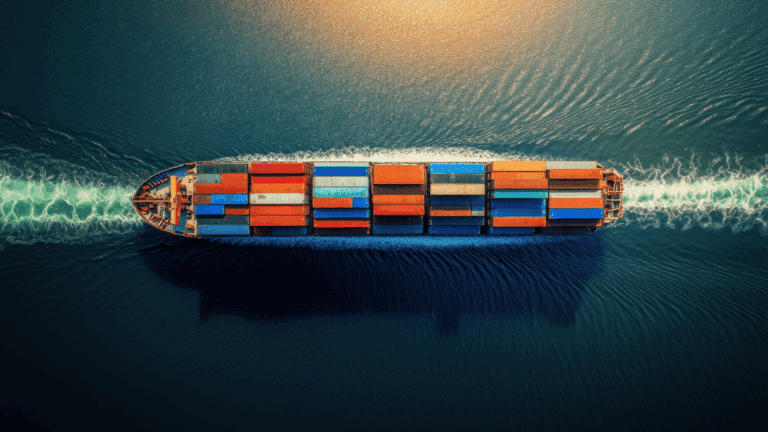
On April 11, 2025, parties to the International Maritime Organization (IMO) provisionally endorsed what could become the first binding global carbon pricing mechanism adopted under international law.

A key component of the Paris Agreement is Article 6, which introduces a framework to facilitate voluntary cooperation between―primarily using carbon credit trading―to help achieve their nationally determined contributions (NDCs) more cost-effectively.

Qatar is entering the world's next LNG expansion phase with a large share of uncontracted supply, and how it will navigate this phase is the central uncertainty in the LNG market.
