How Ukraine’s drone strikes on Russia crippled the world’s second-largest diesel supplier
President Donald Trump has blamed Ukraine for surging diesel prices that are hurting Republicans' election chances with the midterms just two weeks away.
Get the latest as our experts share their insights on global energy policy.
Reporting in the New York Times suggests a key element in the Trump administration's Russia-Ukraine peace plan involves Europe resuming Russian gas imports.
Hear in-depth conversations with the world’s top energy and climate leaders from government, business, academia, and civil society.
After years of trying, the US may be on the cusp of a nuclear renaissance. Commercial nuclear generation began in this country in 1958. Today, the US has...

Find out more about our upcoming and past events.
Registration is closed. Join Women in Energy and Pillsbury in Washington, D.C., for a conversation examining the key trends and developments shaping the energy industry, where opportunities are...
Past Event
June 3, 2025
11:00 am - 12:00 pm edt
On May 23, President Donald Trump signed four executive orders that aim to reform the United States Nuclear Regulatory Commission, streamline National Laboratory processes for reactor testing, advance the use of nuclear energy to power artificial intelligence, and strengthen nuclear fuel supply chains. The orders address a range of issues that have posed challenges in the deployment of commercial nuclear energy, a source of clean energy that enjoys bipartisan support in Washington.
In this rapid response webinar, Center on Global Energy Policy, Columbia University SIPA scholars Dave Turk, Ashley Finan, and Matt Bowen provided insights on the benefits of nuclear energy, the substantial barriers to its deployment in the United States, how these orders could address those barriers, and the broader outlook for US energy policy from the Trump administration to Congress.
This public event will be hosted via Zoom. Upon registration, a confirmation email will be sent to you with the Zoom access link for the briefing.
For more information about the briefing, please contact [email protected].
This webinar will examine Germany's firm-power dilemma and the implications for industrial competitiveness, focusing on how the country can maintain affordable and dispatchable electricity without nuclear power while...
On February 28, the United States and Israel launched an attack on Iran, resulting in the deaths of Iranian Supreme Leader Ali Hosseini Khamenei and senior Iranian leaders...


The Center on Global Energy Policy at Columbia University SIPA's Women in Energy initiative and Accenture invite you to join us for an evening of conversation and networking...

*Registration is closed for this event. The Center on Global Energy Policy at Columbia University SIPA's Women in Energy initiative, in collaboration with the Columbia Policy Institute, invites...

A House committee voted to allow the Advisory Committee on Reactor Safeguards (ACRS) to decline certain application reviews.
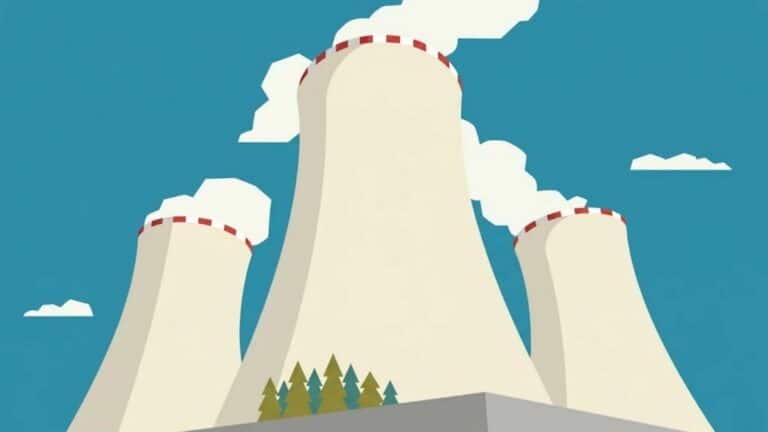
The United States has struggled for decades to make progress on managing spent nuclear fuel (SNF) from its commercial power reactors.
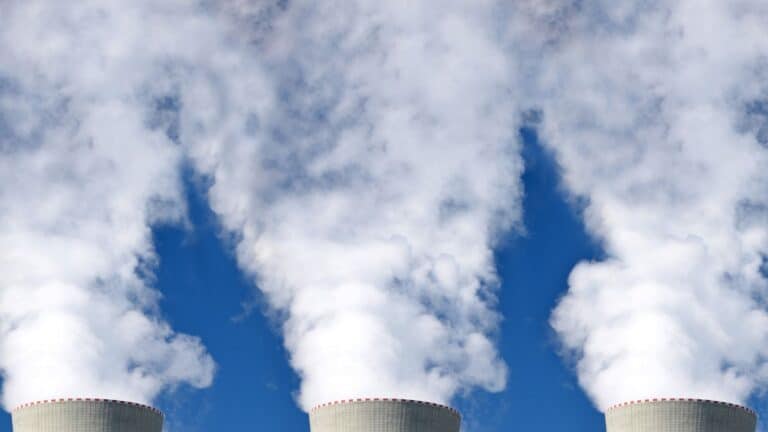
The Trump administration has submitted to Congress a new nuclear energy cooperation agreement with Saudi Arabia.