World Bank scraps climate financing after facing pressure from Trump
The 45% target was set following the United Nations’ climate conference in 2023, pledging the funding to climate-related projects by 2025.
Get the latest as our experts share their insights on global energy policy.
This Energy Explained post represents the research and views of the author(s). It does not necessarily represent the views of the Center on Global Energy Policy. The piece...

Hear in-depth conversations with the world’s top energy and climate leaders from government, business, academia, and civil society.
Concerns about the affordability of electricity in the US have been rising along with prices. And while the headlines have pointed to AI and data centers as the...
Past Event
November 8, 2023
5:30 pm - 7:00 pm est
The world is engaged in a race to decarbonize global energy systems, watching from one year to the next, as mean global temperatures rise, severe weather events proliferate, precipitation patterns change, and other manifestations of a changing climate impact all of humanity, and especially the world’s poor. As the last two years have highlighted, however, the world needs a decarbonized energy future and, simultaneously, steady and improving energy security.
How can global decision-makers, companies, civil society leaders, and other stakeholders think about the array of choices that lie ahead as we try to pursue these intertwined outcomes?
Please join the Center on Global Energy Policy (CGEP) at Columbia University’s School of International and Public Affairs for a discussion with our featured presenter László Varró, Vice President for the Global Business Environment at Shell plc, who will also discuss key findings from Shell’s energy security scenarios.
Moderator:
Speakers:
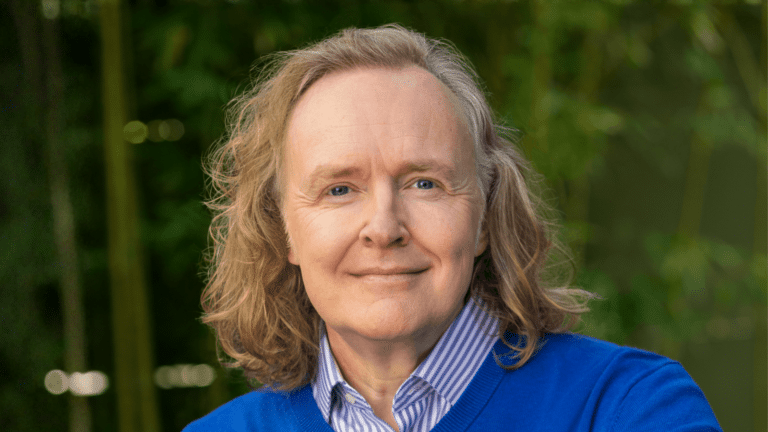
László Varró is vice president, global business environment at Shell plc, which he joined in 2021, and leads the company’s analyses of macroeconomics, energy scenarios, climate policy, and geopolitics. He studied economics at Corvinus University of Budapest, Hungary, and the University of Cambridge, UK. He has worked as a regulator in Hungary’s electricity and gas markets and as strategy director for MOL Group, an independent oil and gas company. In 2011 he joined the International Energy Agency (IEA) as head of gas and electricity markets and led the IEA’s work on liquefied natural gas, gas supply security, and electricity market design and regulation. He was appointed chief economist of the IEA in 2016, where he built a new team for energy investment analysis and was responsible for methodological support for all IEA policy work.
—
This event will be hosted in person in New York City and live-streamed via Zoom. Upon registration, you will receive a confirmation email with access details. The event will be recorded and the video recording will be added to our website following the event.
This event is open to the press, and registration is required to attend. For media inquiries or requests for interviews, please contact Natalie Volk ([email protected]).
For more information about the event, please contact [email protected].
This event will take place in-person in Washington DC, at the Rayburn House Office Building, Room 2168 (Gold Room). Advance registration is required. Announcing New Columbia University Publications...
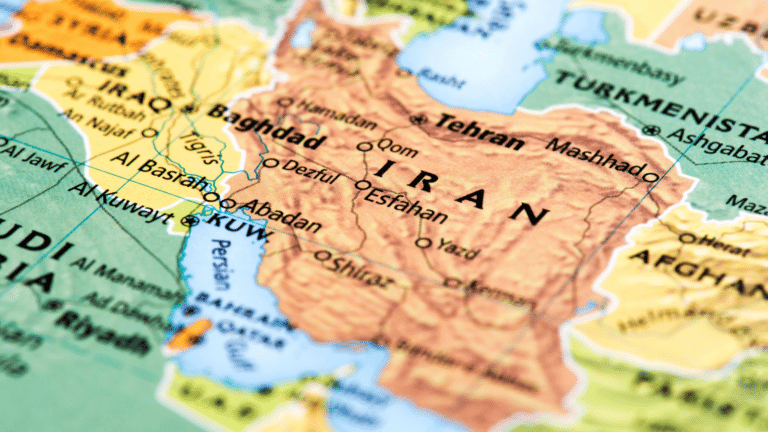
More than a month into the Iran conflict, the United States and Iran are at a critical inflection point.

This roundtable is open only to currently enrolled Columbia University students. To register, you must sign in with your UNI. Join the Center on Global Energy Policy’s Women...
This roundtable is open only to currently enrolled Columbia University students. To register, you must sign in with your UNI. The Center on Global Energy Policy (CGEP) at...

Recent scientific reassessments strengthen the case for rapid climate action rather than weaken it.

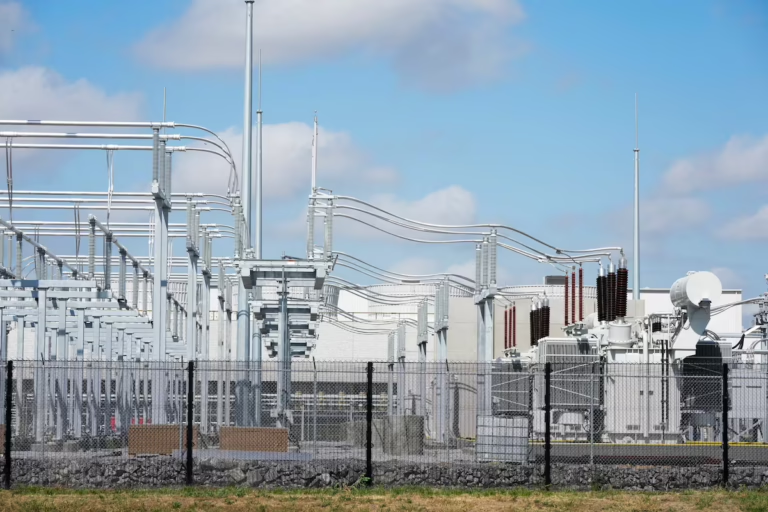
This Energy Explained post represents the research and views of the author(s). It does not necessarily represent the views of the Center on Global Energy Policy. The piece...