Net Power Surrendered Its Clean Dreams to Data Center Demand
The zero-emission pioneer is doing the dirty work for the AI boom.
Get the latest as our experts share their insights on global energy policy.
This Energy Explained post represents the research and views of the author(s). It does not necessarily represent the views of the Center on Global Energy Policy. The piece...

Hear in-depth conversations with the world’s top energy and climate leaders from government, business, academia, and civil society.
After years of trying, the US may be on the cusp of a nuclear renaissance. Commercial nuclear generation began in this country in 1958. Today, the US has...

Find out more about our upcoming and past events.
The Center on Global Energy Policy (CGEP) at Columbia University’s School of International and Public Affairs and ReNew invite you to Columbia India Energy Dialogue 2026, taking place...

Past Event
March 25, 2021
1:15 pm - 2:15 pm
This student-only roundtable gives students a chance to explore the connections between global energy markets, geopolitics, finance, and career opportunities across the energy sector.

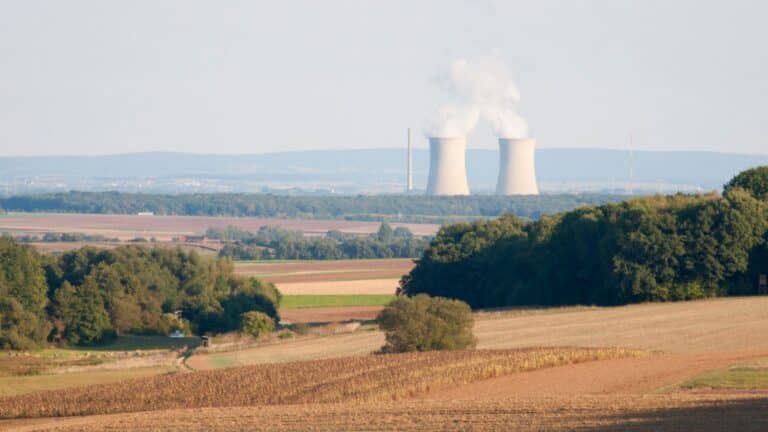
This webinar will examine Germany's firm-power dilemma and the implications for industrial competitiveness, focusing on how the country can maintain affordable and dispatchable electricity without nuclear power while...
Dr. Claudia Castro will share insights into her professional journey and the role of financial markets in shaping energy investments.

The Center on Global Energy Policy (CGEP) at Columbia University’s School of International and Public Affairs and ReNew invite you to Columbia India Energy Dialogue 2026, taking place...
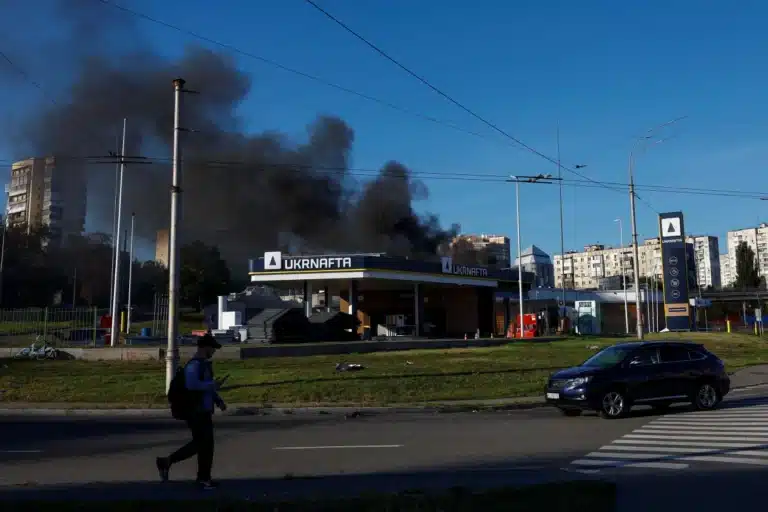
Tatiana Mitrova, a fellow at Columbia University’s Center on Global Energy Policy and former energy scholar at Moscow’s Russian Academy of Sciences, and Sergey Vakulenko, an oil and gas expert at Carnegie’s Russia Eurasia Center, argue that Russia and Ukraine are locked in an energy war that has become an adaptation spiral, despite growing human and economic costs and despite current US pressure on Ukraine. They observe Ukraine’s remarkable ability to withstand Russian strikes, while questioning claims that long-range Ukrainian strikes will be able to achieve game-changing damage on Russia. Ukraine and Russia have transformed the role of energy warfare in modern conflict, drawing on low costs drones but also new forms of technological resilience that are likely to make wars longer and more dangerous.
This Energy Explained post represents the research and views of the author(s). It does not necessarily represent the views of the Center on Global Energy Policy. The piece...
The interactive tool estimates how the Bipartisan American Affordability and Jobs Act could impact the permitting and construction timelines of different types of energy projects.