This website uses cookies as well as similar tools and technologies to understand visitors’ experiences. By continuing to use this website, you consent to Columbia University’s usage of cookies and similar technologies, in accordance with the Columbia University Website Cookie Notice.
Energy Explained
Get the latest as our experts share their insights on global energy policy.
G7 Countries Commit to Diversifying Critical Minerals Supply Without Deciding Who Bears the Cost
Critical minerals were once again near the top of the agenda for G7 leaders as they met in Évian, France, this week, a year after the G7 launched the Critical Minerals Action Plan.

Podcasts
Hear in-depth conversations with the world’s top energy and climate leaders from government, business, academia, and civil society.
Michael Cembalest Does the Math on the Energy Transition
The energy transition is in the midst of its own transition. Spiking electricity demand and geopolitical events are driving up energy prices, while debates over the best sources...

Events
Find out more about our upcoming and past events.
June 25, 2026
• 11:30 am - 12:30 pm
est
The Cost of Power: Rising Electricity Prices, AI, and the Grid
This event will take place in-person in Washington DC, at the Rayburn House Office Building, Room 2168 (Gold Room). Advance registration is required. Announcing New Columbia University Publications...
Event
• Rayburn House Office Building, Room 2168 (Gold Room)
Washington, D.C.
Washington, D.C.

Dafni Papapolyzou
Biography
Relevant Articles
The US has a Hydrogen Demand Problem – Despite Generous Incentives
When the Inflation Reduction Act (IRA) was passed in August 2022, it triggered unprecedented enthusiasm among potential hydrogen suppliers.

What’s Next in Interconnection Reform? Lessons from International Experience
Customer demand for clean generation is skyrocketing, but the queue just keeps getting longer and longer.
Blog
by Abraham Silverman, Gautam Jain, Dafni Papapolyzou, Kavyaa Rizal, Devan Samant & Josh Williard • August 15, 2023
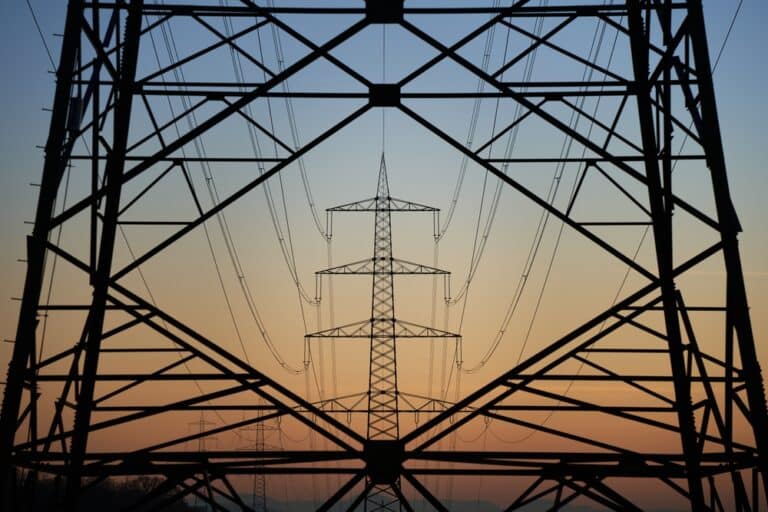
FERC’s Interconnection Reform: Why It Matters for the Clean Energy Transition
On July 28, 2023, the FERC issued a 1,500-page rule on a seemingly obscure topic: how to improve the process for plugging new power plants into the grid.
Blog
by Abraham Silverman, Gautam Jain, Dafni Papapolyzou, Kavyaa Rizal, Devan Samant & Josh Williard • August 7, 2023