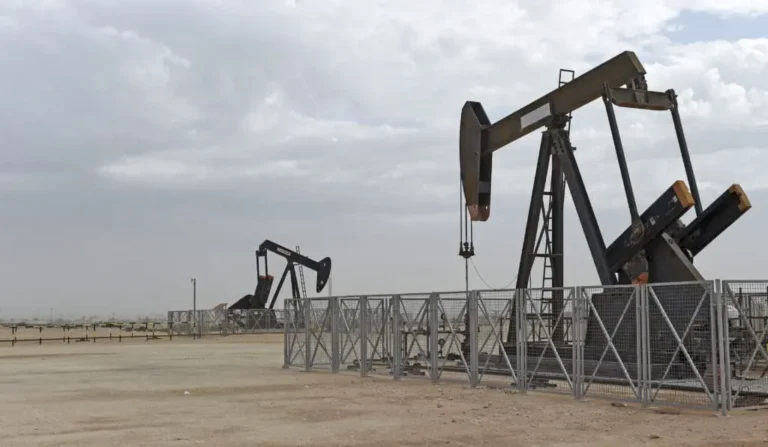
“Everything up in the air”: LNG, the Strait of Hormuz, and Central & Eastern Europe’s energy future
"LNG shipments to Central & Eastern Europe are reliable as long as those gas markets are not overly dependent upon one supplier."
Get the latest as our experts share their insights on global energy policy.
On February 28, the US and Israel launched new attacks on Iran targeting primarily the country's leadership, security forces, and missile program.
Hear in-depth conversations with the world’s top energy and climate leaders from government, business, academia, and civil society.
It’s been a head-spinning day in the Iran war. Earlier today, following a temporary truce between Lebanon and Israel, Iran announced that the Strait of Hormuz would be...

Find out more about our upcoming and past events.
The Columbia Global Energy Summit 2026 is an annual event dedicated to thought-provoking discussions around the critical energy and climate challenges facing the global community.
In March 2012, Israeli Prime Minister Benjamin Netanyahu arrived in Washington to press a US president on slowing Iran’s nuclear ambitions. Inside the White House, the dilemma was stark.
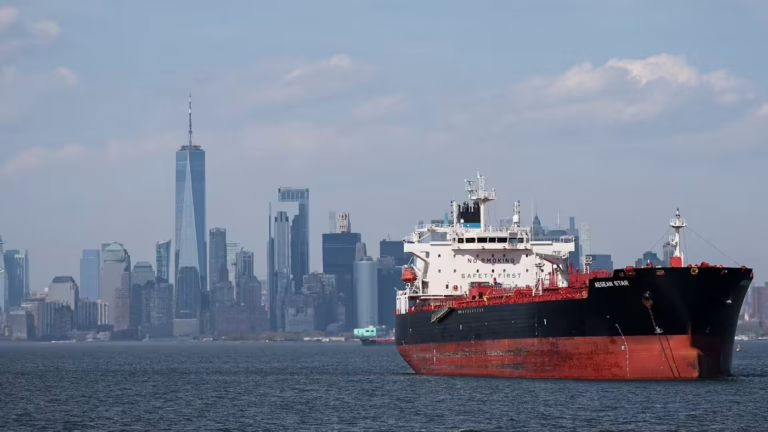
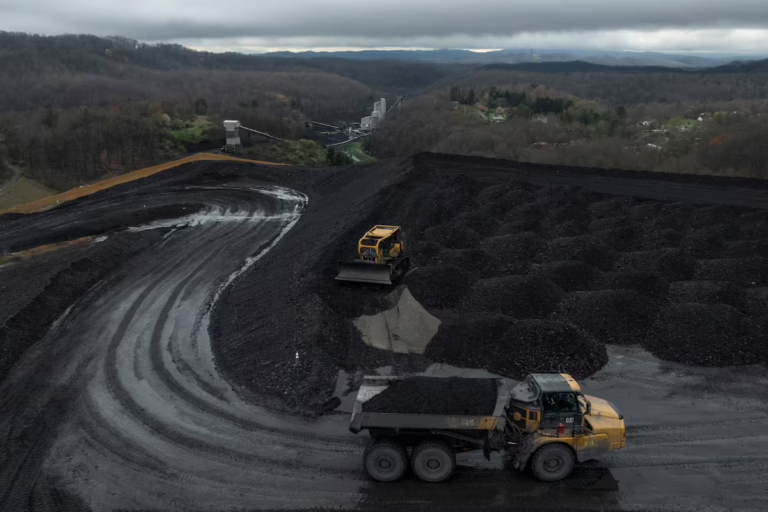

Within days of the initial U.S. and Israeli attack on Iran on February 28, 2026, the world was plunged into an energy crisis.
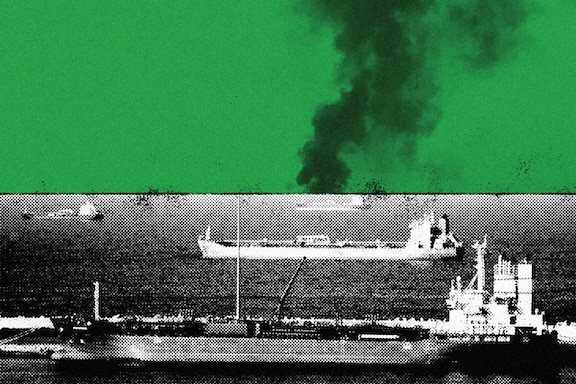
Energy has reemerged this year as a central force shaping our world—both a geopolitical weapon and an economic fault line.

When the Iran War disrupted shipping through the Strait of Hormuz and tightened global gas balances, a familiar assumption quickly resurfaced: Russia, possessing the largest proven natural gas reserves in the world, would inevitably emerge as one of the principal beneficiaries.
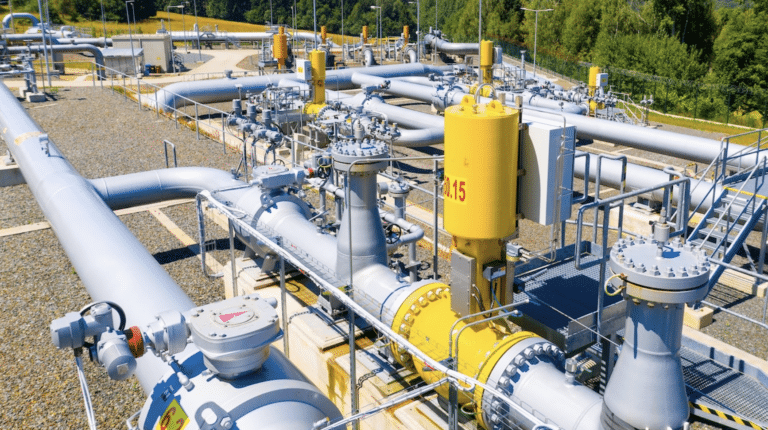
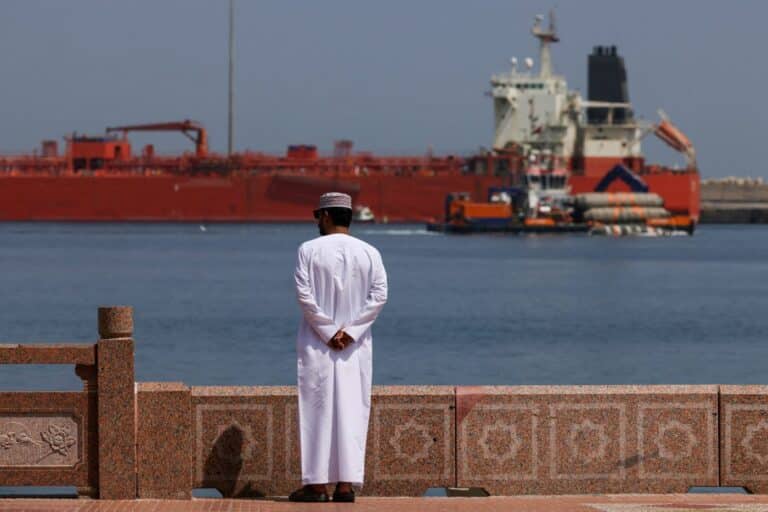
The Iran war will accelerate the region’s economic transformation.
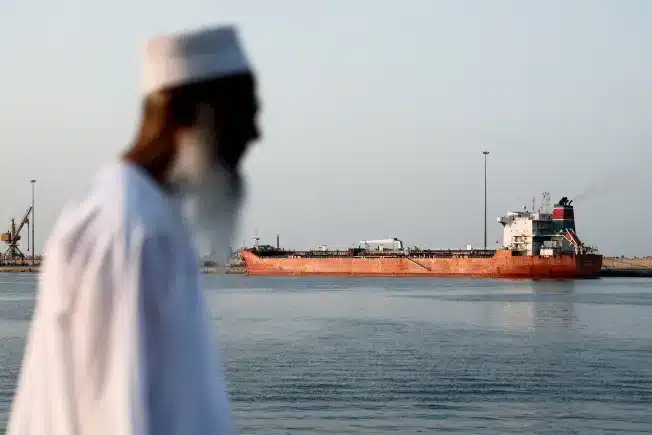
An historic supply shock is testing the energy-exporting economies of the Gulf and reshaping global energy security.