La caída a largo plazo de suministro de Qatar no provocará escasez, pero se notará en la factura del gas
Apenas el 3% del gas licuado que importa España viene del emirato, con Italia y Bélgica como los más afectados en Europa
Current Access Level “I” – ID Only: CUID holders, alumni, and approved guests only
Get the latest as our experts share their insights on global energy policy.
The war in Iran has significantly enhanced Latin America's geopolitical advantage as a reliable source of hydrocarbon resources.
Hear in-depth conversations with the world’s top energy and climate leaders from government, business, academia, and civil society.
During President Trump’s second term, the administration has taken unprecedented action in the US private sector. The federal government’s investments in critical mineral mining and chip manufacturing are...
Find out more about our upcoming and past events.
This roundtable is open only to currently enrolled Columbia University students. To register, you must sign in with your UNI. The Center on Global Energy Policy at Columbia...
Past Event
January 25, 2016
7:00 am - 8:30 am
Please join the Center on Global Energy Policy and the Sabin Center for Climate Change Law for a discussion on what comes next for the Paris COP21 Agreement after its adoption last month. Our discussion will feature remarks from a set of distinguished speakers followed by a moderated discussion. Featured participants include:
Registration is required. This event is open to press.
A podcast of this event (in addition to other past Center events) will be available ~5 days after the date of the event through iTunes or via our website.
For more information contact: [email protected]
This roundtable is open only to currently enrolled Columbia University students. To register, you must sign in with your UNI. The Center on Global Energy Policy (CGEP) at...

The Center on Global Energy Policy (CGEP) at Columbia SIPA and the Fashion, Energy, and Climate Network invite you to join the first session of our new talk...
The Columbia Global Energy Summit 2026 is an annual event dedicated to thought-provoking discussions around the critical energy and climate challenges facing the global community.
This event is open to Columbia University students only. Join the Center on Global Energy Policy’s Women in Energy initiative for an interactive discussion on human rights and...
On March 20, Governor Kathy Hochul proposed significant changes to New York’s Climate Leadership and Community Protection Act (CLCPA), the landmark climate law passed in 2019.

In January 2026, the UK government publicly released an intelligence report analyzing the security implications of global environmental destruction.
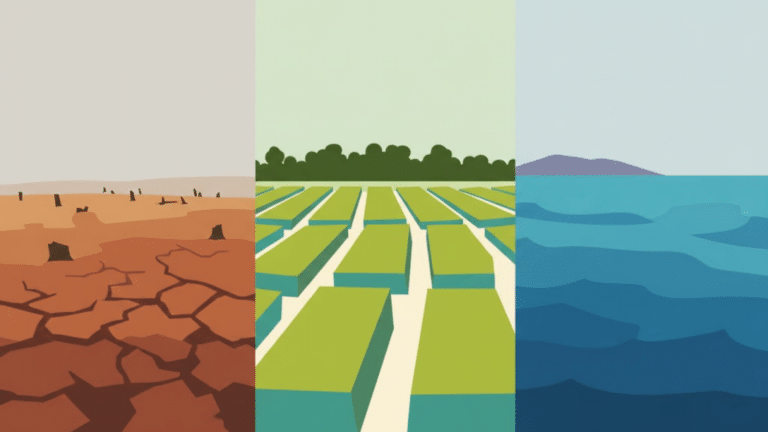
Models can predict catastrophic or modest damages from climate change, but not which of these futures is coming.
