This Energy Explained post represents the research and views of the author(s). It does not necessarily represent the views of the Center on Global Energy Policy. The piece may be subject to further revision. Contributions to SIPA for the benefit of CGEP are general use gifts, which gives the Center discretion in how it allocates these funds. More information is available here. Rare cases of sponsored projects are clearly indicated.
The Center on Global Energy Policy at Columbia University SIPA is closely following the escalating conflict in Iran and its implications for US national security, Middle East geopolitics, and global energy markets. See all of our coverage here.
- China’s oil stockpiles should enable it to weather a multi-month disruption of oil imports from the Middle East.
- China’s teapot refiners are likely to purchase Iranian and Russian oil in floating storage in Asia and Iranian oil in bonded storage in China to ensure access to supplies.
- China has less flexibility to deal with a disruption of its LNG imports from Qatar and is likely to prioritize reducing consumption rather than paying higher prices, especially in the short term.
- A prolonged disruption of China’s LNG imports might make the proposed Power of Siberia 2 pipeline from Russia more attractive to Beijing.
- The conflict may vindicate China’s efforts to increase its energy self-sufficiency, including boosting domestic oil and natural gas output, while it continues to pursue an orderly transition away from fossil fuels.
The U.S.-Israeli attack on Iran on February 28 and Iran’s retaliatory strikes against energy infrastructure and U.S. bases in the region, as well as its closure of the Strait of Hormuz and the subsequent shutdown of Qatar’s liquefied natural gas (LNG) exports, all directly impact China. Half of China’s oil imports and nearly one-third of its LNG imports transit this waterway. However, China has several options to manage disruptions of its energy imports from the Middle East in the near term and is likely to view the conflict as the latest geopolitical upheaval that supports its efforts to gradually transition away from fossil fuels. In this Q&A, Erica Downs discusses China’s crude oil and LNG imports from the Middle East, the steps China can take to address disruptions to those imports, and what the conflict means for China’s approach to energy security.
How much oil and gas does China import from the Middle East?
In 2025, China imported about half of its crude oil and almost one-third of its liquefied natural gas from the Middle East.
According to China’s General Administration of Customs (GAC), China imported 42 percent of its crude oil – 4.9 million barrels per day (bpd) – from Saudi Arabia (14 percent), Iraq (11 percent), United Arab Emirates (7 percent), Oman (6 percent), Kuwait (3 percent), and Qatar (1 percent). China’s GAC has not reported any crude oil imports from Iran since 2022. However, according to analytics firm Kpler, which tracks tankers, China imported 1.38 million bpd of crude from Iran in 2025, accounting for 12 percent of China’s total crude oil imports. While most of these barrels were almost certainly relabeled as Malaysian to disguise their origins, some may have been rebranded as Indonesian, Iraqi, Omani, or Emirati.
China also imported 31 percent of its LNG from the Middle East. Qatar supplied 28 percent, with the remainder shipped from Oman and the United Arab Emirates.
How is the closure of the Strait of Hormuz likely to affect China’s energy supply security?
Although 45-50 percent of China’s crude oil imports transit the Strait of Hormuz, China is well-prepared to weather a multi-month disruption of its crude oil supplies from the Middle East because of its substantial oil stockpiles, the large volume of Iranian barrels on the water and in bonded storage in China. As of March 2, China had 1.39 billion barrels of oil in storage, according to Kayrros, a geospatial analytics company, which would cover 120 days of net crude oil imports at the 2025 level.[1] There are also more than 46 million barrels of Iranian oil in floating storage in Asia and more in bonded storage in the ports of Dalian and Zhoushan, where the National Iranian Oil Company leases tanks. (Oil in bonded storage has not been cleared by customs.) Additionally, Saudi Arabia and the United Arab Emirates have the capacity to reroute a combined 5 million bpd to avoid the Strait of Hormuz, and some of that oil will likely flow to China.
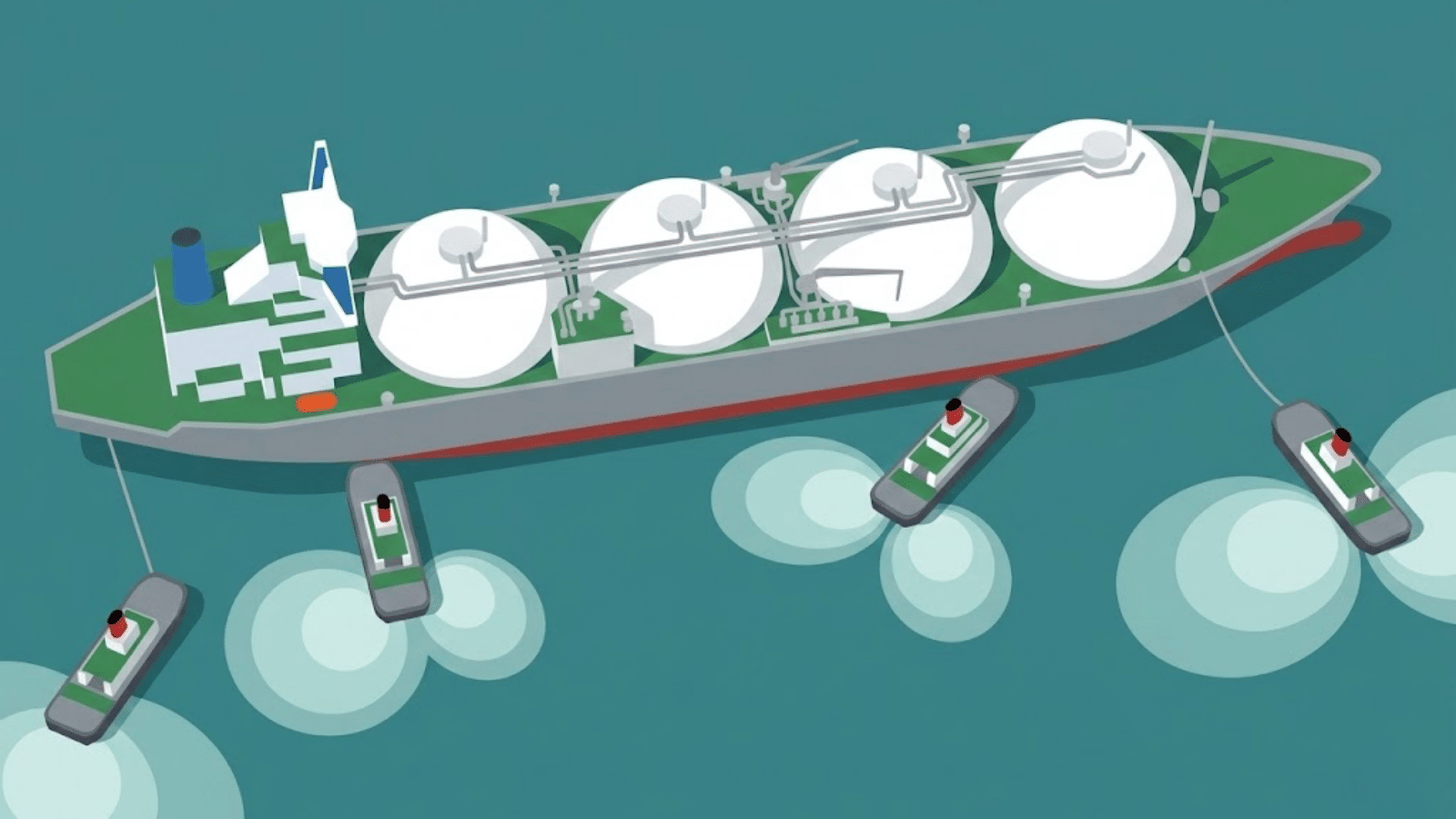
China’s options for addressing a disruption of the 30 percent of its LNG imports that arrive via the Strait of Hormuz (supplies from Qatar and the United Arab Emirates, but not Oman), especially in the short term, are limited to consuming less or paying more, with lower consumption likely to be the dominant approach given the limited appetite for higher import bills.
Consuming Less: China is likely to consider measures such as voluntary demand reduction or replacing LNG with other fuels in the power sector to lower LNG use. State-owned energy companies are also considering raising prices to limit use. The fact that China is currently transitioning away from the winter heating season should also help.
Paying More: Chinese buyers are likely to be reluctant to pay the higher prices needed to compete against other LNG importers, especially in Europe, for LNG supplies that do not transit the Strait of Hormuz. Traders at state-owned companies told S&P Global that there currently is little appetite for spot cargoes due to high prices, but that they can’t be ruled out in the longer term, given the paramount importance of supply security.
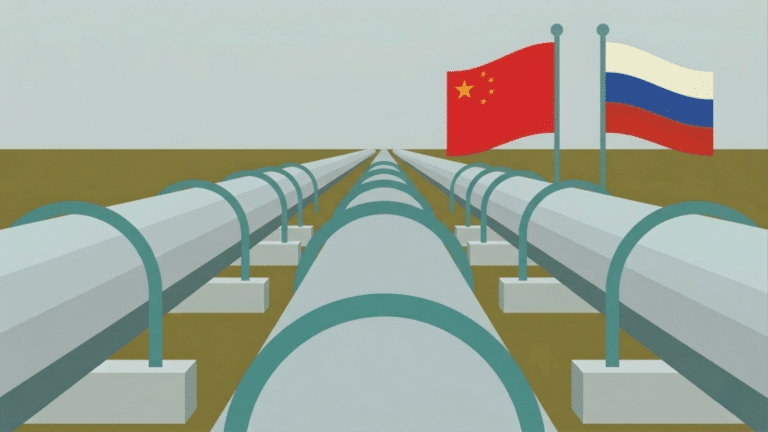
Although China’s pipeline gas imports are cheaper than its LNG imports, increasing pipeline gas deliveries from Russia is unlikely to be an option before 2027, when the Far Eastern Route becomes operational. The Power of Siberia pipeline is already operating slightly above capacity. Similarly, increasing pipeline gas imports from Central Asia is also challenging due to supply and infrastructure bottlenecks.
What do the US-Israeli attacks on Iran mean for China’s teapot refineries?
The attacks are more bad news for China’s independent teapot refineries, which operate on thin margins and purchase most of the sanctioned crudes that China imports because of the discounts available. After the United States removed Venezuelan President Nicolas Maduro from power, the teapots began to purchase more Iranian heavy crude, the cheapest available substitute. As the conflict in the Middle East threatens the flow of Iranian oil to China, these teapot refiners are unlikely to face an immediate shortfall in sanctioned crudes because they can purchase Iranian and Russian oil in floating storage in Asia and bonded storage in Chinese ports.
What are the implications of the conflict in the Middle East for China’s approach to energy security?
A prolonged disruption of China’s Qatari LNG imports might prompt China to reconsider the role of LNG in China’s natural gas import portfolio. The disruption may make the proposed Power of Siberia 2 pipeline from Russia more attractive, especially if China can secure a lower price than what it pays for gas delivered via the Power of Siberia 1 pipeline and flexibility on volumes. To be sure, a hallmark of China’s approach to supply security is avoiding becoming too dependent on any single supplier, and 30 percent of China’s natural gas imports (LNG and pipeline gas combined) came from Russia last year. But if LNG imports that transit the Strait of Hormuz prove less reliable than pipeline gas from Russia, Beijing’s concerns about overreliance on Russia might take a back seat to supply security.
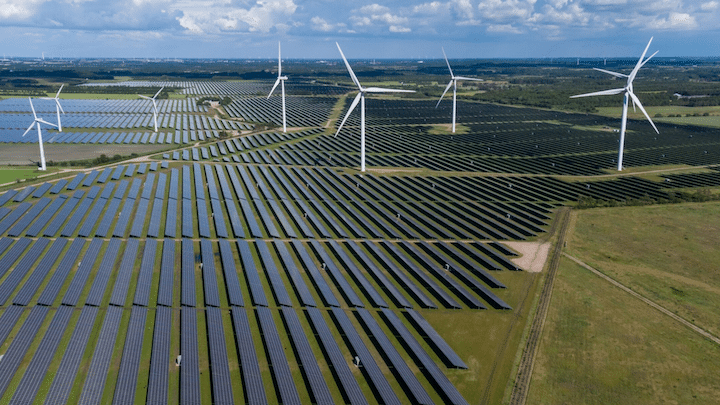
More broadly, the conflict is likely to reinforce China’s commitment to increase its reliance on domestic energy sources. While China’s leader Xi Jinping called for China to “firmly hold the energy rice bowl in its own hands” while visiting the Shengli oil field in 2021, China’s push to become more self-sufficient in energy involves not only producing more oil and natural gas domestically but also continuing with its orderly transition away from fossil fuels. This transition entails the ongoing transformation of China’s power system to better integrate more renewables and improve flexibility. To cite just one example, China plans to more than double its energy storage capacity from 73.8 GW in 2024 to 180 GW in 2027. The conflict is likely to reaffirm Beijing’s commitment to transforming China into an “energy superpower” that derives strength from its leading role in deploying green energy technologies at home and abroad.
[1] Email from Antoine Halff, Chief Analyst and Co-founder, Kayrros, March 3, 2026. This assumes that China’s underground strategic petroleum reserve is filled to capacity.