Everyone Wants in on Brazil’s Rare Earths
But is Brasília ready to meet the moment?
This website uses cookies as well as similar tools and technologies to understand visitors’ experiences. By continuing to use this website, you consent to Columbia University’s usage of cookies and similar technologies, in accordance with the Columbia University Website Cookie Notice.
Our work is committed to independent and nonpartisan research that meets the high standards of academic integrity and quality at Columbia University.
Our initiatives and programs are designed to address critical needs in key focus areas around energy and climate policy.
Explore our expert insights and analysis in leading energy and climate news stories.
But is Brasília ready to meet the moment?
Get the latest as our experts share their insights on global energy policy.
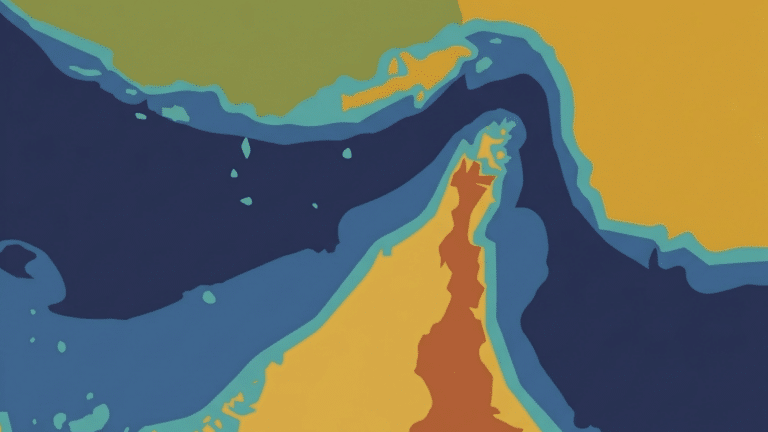
The Center on Global Energy Policy is providing live updates on key developments related to the Iran crisis. Check back here for the latest.
Hear in-depth conversations with the world’s top energy and climate leaders from government, business, academia, and civil society.
Grid operators sit at the center of many of the biggest forces reshaping the global energy system. They’re navigating rising electricity demand, a lack of transmission infrastructure, shifting...

Find out more about our upcoming and past events.
We are the premier hub and policy institution for global energy thought leadership. Energy impacts every element of our lives, and our trusted fact-based research informs the decisions that affect all of us.
Chairman and CEO, NIC Holding Corp
Jay Bernstein has been chairman and CEO of NIC Holding Corp. since 1988. NIC owns and operates a range of infrastructure assets including the largest gasoline and diesel storage and truck rack distribution business on Long Island, New York. Since 1980, NIC’s principal business has been trading light products and futures in the Atlantic Basin.
From 1977 to 1981, in joint venture with the Republic of Panama, NIC built a 91-mile crude oil pipeline across Panama to facilitate the most economic means of transporting Alaskan crude excess to West Coast requirements to the U.S. Gulf Coast. In 2008, the flow of the pipeline was reversed, enabling Caribbean and USG crude supply to be shipped to the west coasts of the United States and South America, and to the Far East; this business is still conducted today. Through its subsidiary, NIC Sustainable Investments Corp, the company also invests in the energy transition economy.
Mr. Bernstein is president of the Washington Institute for Near East Policy; a member of the board of the American Friends of the Israel Museum in Jerusalem, of which his wife is president; and past member of the board of Island Harvest, a Long Island based hunger relief charity.
Get the latest news and research on energy & climate policy.
"(required)" indicates required fields