Kuwait looks to the cloud as power grid feels the strain
Kuwait has invited bids to construct three power substations that will supply electricity to Google Cloud data storage centres
Current Access Level “I” – ID Only: CUID holders, alumni, and approved guests only
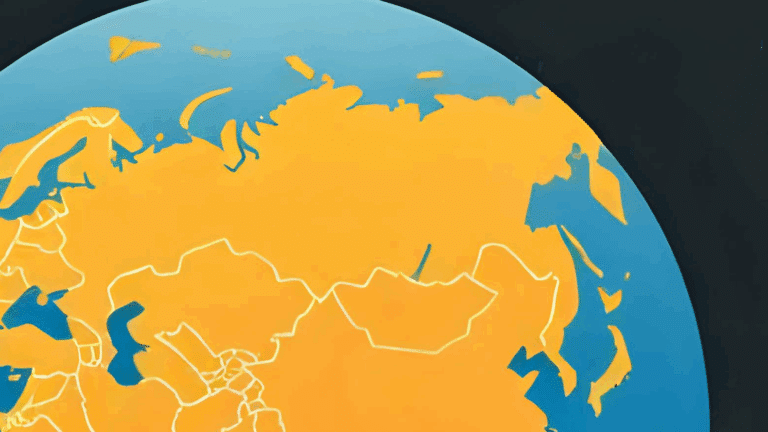
This is the first episode of a five-part series exploring the European energy crisis in the wake of Russia’s invasion of Ukraine. In this season, we ask the trillion dollar question: Will this crisis speed or slow down the energy transition in Europe? And what does that mean for the rest of the world?
Putin’s assault on Ukraine triggered an energy crisis that sent Europe’s economies into a tailspin and put the European energy transition to the test. But how did the European Union, a leader in climate action, become so dependent on Russian oil and gas to begin with?
This season, we look at the energy systems of Germany and Poland. Both have very different energy systems, but both became dependent on Russian energy for heating homes, firing power plants, and fueling businesses.
In this episode, we look at the immediate impact of the Ukraine invasion on that dependency and the historical influences behind it– from Germany’s pursuit of natural gas to Poland’s centuries-long relationship with coal.
Then we ask whether Europe’s initial response to the crisis– leaning more heavily on fossil fuels– will accelerate or slow down Europe’s push toward green energy.

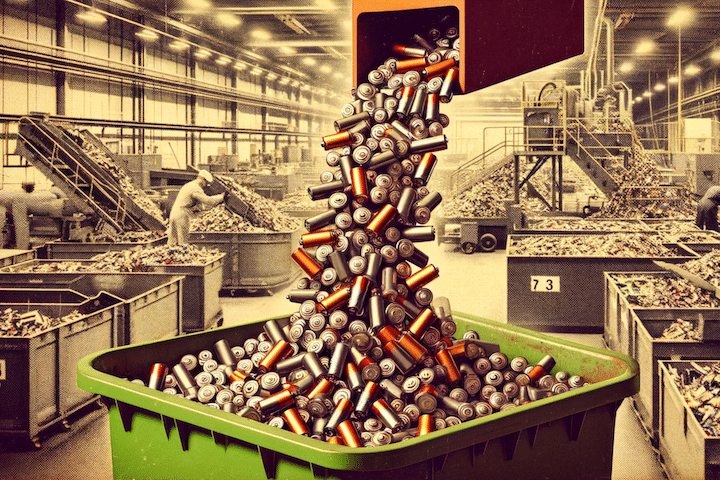
So far over this season we've traced the global lithium-ion battery supply chain from mining to processing to manufacturing. And we've put it all into a geopolitical and economic context.
China has been the world's biggest battery manufacturer for over a decade. By 2022, according to the IEA, China manufactured 76% of the world's batteries. But that's changing.
Batteries can replace gasoline in our cars, or diesel in our generators with electricity. But batteries and petroleum-based fuels share something in common: they both rely on energy-intensive processes to turn extracted materials into something useful.
To produce enough batteries to reach global net-zero goals, the International Energy Agency says we'll need to increase production of critical minerals by six fold by 2040. It's a monumental task.
Without transatlantic alignment, we risk forfeiting the very advantages our alliance was built to protect.
CGEP scholars reflect on some of the standout issues of the day during this year's Climate Week
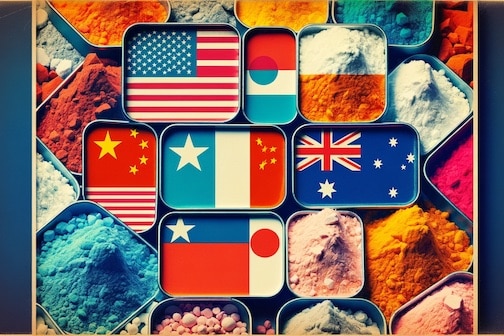
Each country in the alliance offers distinct strengths.
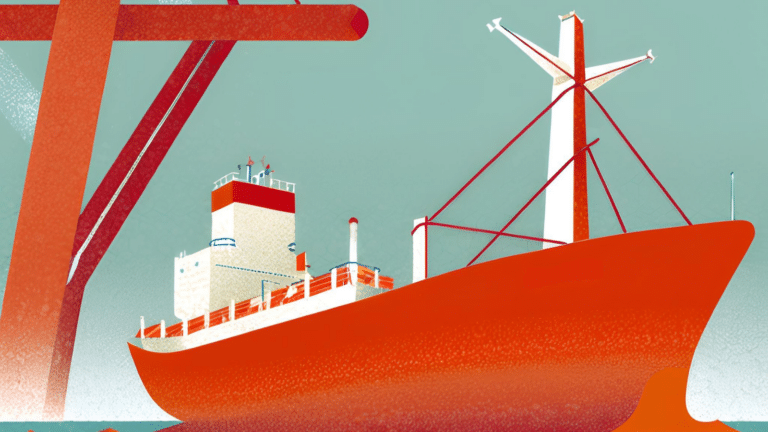
China’s dependence on the energy supplies that move through the Strait of Hormuz makes it especially vulnerable to any possible closure of the waterway by Iran in retaliation for attacks by Israel and the United States.