Coinbase co-founder’s Venezuela oil bet could ripple into crypto
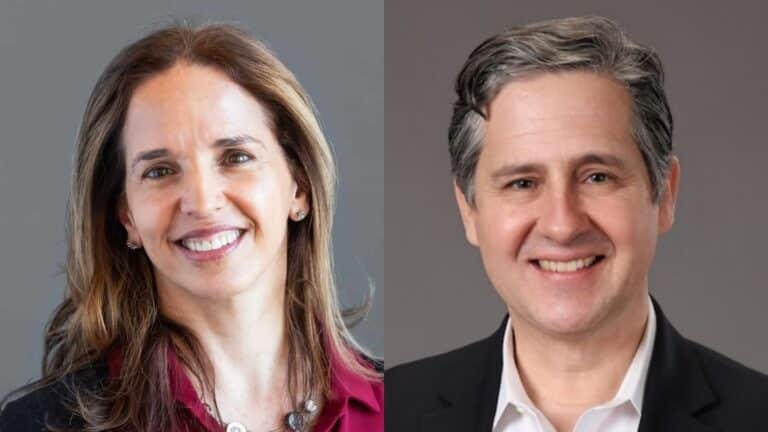
Fred Ehrsam, who was a co-founder of Coinbase and is still a member of the board of Coinbase, has spent long months of his life living in one of the hotels of
Get the latest as our experts share their insights on global energy policy.
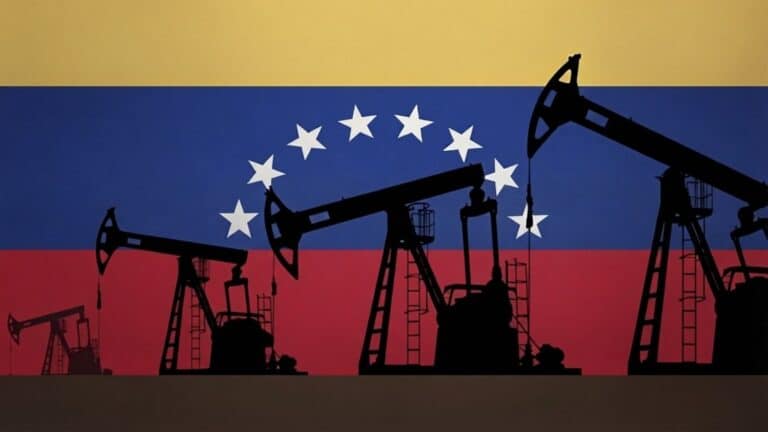
The White House announced last week an oil deal for more than 65 billion barrels of oil reserves in Venezuela and a 35% equity stake in North American Blue Energy Partners (NABEP).
Hear in-depth conversations with the world’s top energy and climate leaders from government, business, academia, and civil society.
It's been a tumultuous year for Venezuela, marked by political upheaval and deadly earthquakes. Then, in late August, the Trump administration announced a deal for over 65 billion...
Find out more about our upcoming and past events.
Join Women in Energy at Columbia University's Center on Global Energy Policy for a virtual information session on careers at the World Bank Group. The World Bank Group...

Past Event
March 24, 2016
8:00 am - 9:30 am
The Center host a Women in Energy workshop on improving your professional negotiation skills led by trainer Jamie Lee. Attendees rolled up their sleeves to engage in confidence building mock negotiation sessions. The group explored ways to take smart, calculated risks in the workplace through mutual win negotiation strategies. They were challenged to think bigger for their future success and practice articulating their value in a clear and effective manner that places them firmly in a position of power.
Join Women in Energy at Columbia University's Center on Global Energy Policy for a virtual information session on careers at the World Bank Group. The World Bank Group...
This event is at capacity, registration is closed. Building Abundant Energy in the Global South – Energy Opportunity Forum 2026 The Center on Global Energy Policy will host...
PCCMs facilitate the generation, trading, and retirement of carbon credits from projects that remove, reduce, or avoid greenhouse gas emissions. By creating a revenue stream from verified climate...

This event is at capacity, registration is closed. For today’s leaders and policymakers, the global energy transition and climate change are increasingly informing decision making at the highest...
The White House announced last week an oil deal for more than 65 billion barrels of oil reserves in Venezuela and a 35% equity stake in North American Blue Energy Partners (NABEP).

The Hormuz crisis is the latest in a series of disruptions that have exposed the continent’s energy vulnerabilities. The time to build resilience is between crises, not during them.