This website uses cookies as well as similar tools and technologies to understand visitors’ experiences. By continuing to use this website, you consent to Columbia University’s usage of cookies and similar technologies, in accordance with the Columbia University Website Cookie Notice.
The clean energy transition had real momentum at the end of 2024. It was buoyed by federal support, billions of dollars of investment in new technologies, and broad...
We are the premier hub and policy institution for global energy thought leadership. Energy impacts every element of our lives, and our trusted fact-based research informs the decisions that affect all of us.
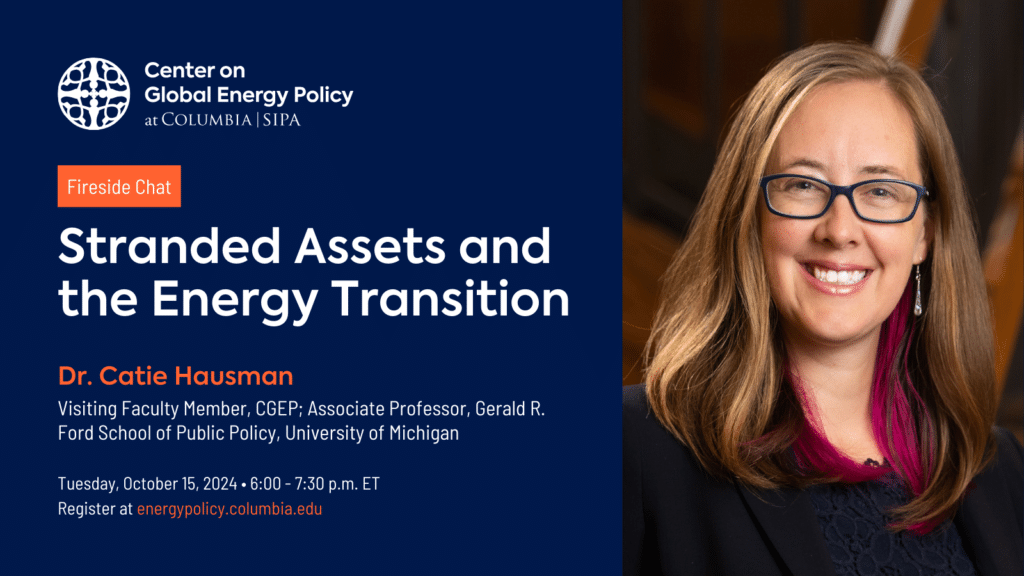
The U.S. energy sector is rapidly changing. Renewable electricity costs continue to fall and technologies, from heat pumps to electric vehicles, are rapidly improving. These advances can help the U.S. move forward towards decarbonization. What does this mean for the legacy assets that face obsolescence? How should policymakers think about the stranded asset problem, whether from the electricity sector or oil and gas? How will we manage these assets in a way that is equitable, green, and cost-effective?
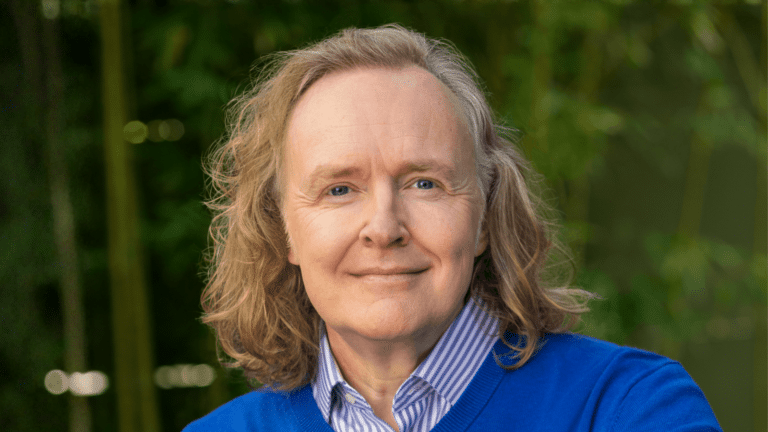
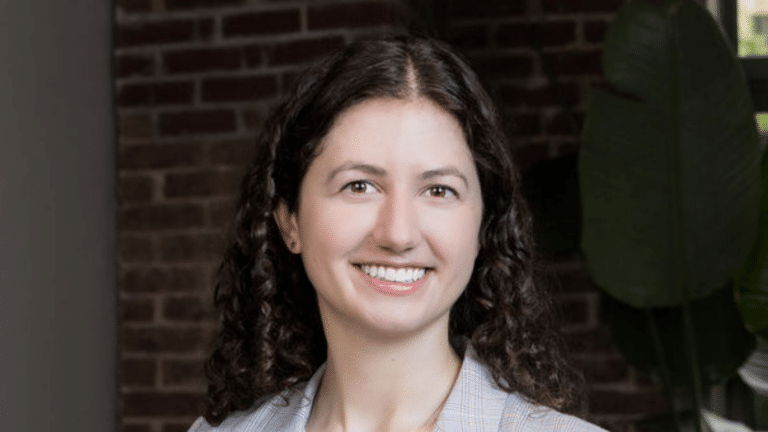
The Center on Global Energy Policy (CGEP) at Columbia University’s School of International and Public Affairs will host Dr. Catie Hausman, visiting faculty member at CGEP, associate professor at the Gerald R. Ford School of Public Policy, University of Michigan, and research associate at the National Bureau of Economics Research, for a fireside chat. Dr. Geoffrey Heal, Donald C. Waite III professor of social enterprise, and Paul Garrett, professor of public policy and corporate responsibility at Columbia Business School, will moderate.
Doors will open at 5:45 p.m. and the conversation will begin promptly at 6:00 p.m.
This event is open to the public and will be hosted in person in New York City.
Advance registration is required. Capacity is limited. The event will be recorded and the video recording will be added to our website following the event.
This event is open to press, and registration is required to attend. For media inquiries or requests for interviews, please contact Adam Kilduff ([email protected]).
For more information about the event, please contact [email protected].
This roundtable is open only to currently enrolled Columbia University students. To register, you must sign in with your UNI. Join the Center on Global Energy Policy’s Women...
Event
• Center on Global Energy Policy
1255 Amsterdam Ave, New York, NY 10027
This roundtable is open only to currently enrolled Columbia University students. To register, you must sign in with your UNI. The Center on Global Energy Policy (CGEP) at...
Event
• Center on Global Energy Policy
1255 Amsterdam Ave, New York, NY 10027
This roundtable is open only to currently enrolled Columbia University students. To register, you must sign in with your UNI. The Center on Global Energy Policy at Columbia...
Event
• Center on Global Energy Policy
1255 Amsterdam Ave, New York, NY 10027
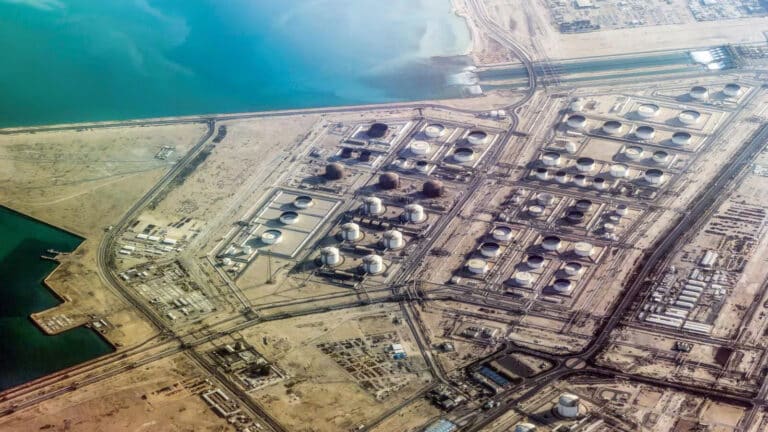
CHRONIQUE. Nouvelles usines de liquéfaction et augmentation des exportations expliquent, entre autres, pourquoi les prix du gaz ne connaissent pas le pic observé en 2022, lors de l’invasion de l’Ukraine. Mais cette stabilité des prix ne traversera pas l’été, écrit Anne-Sophie Corbeau, spécialiste de l’énergie au Center on Global Energy Policy de l’Université Columbia
CHRONIQUE. Nouvelles usines de liquéfaction et augmentation des exportations expliquent, entre autres, pourquoi les prix du gaz ne connaissent pas le pic observé en 2022, lors de l’invasion de l’Ukraine. Mais cette stabilité des prix ne traversera pas l’été, écrit Anne-Sophie Corbeau, spécialiste de l’énergie au Center on Global Energy Policy de l’Université Columbia