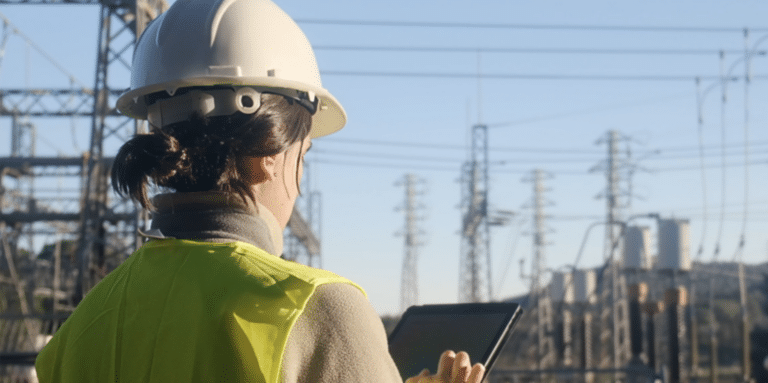
Cheniere Energy Ramps Up Lobbying on LNG Exports
Cheniere Energy intensifies Capitol Hill lobbying on LNG exports amid tariffs and tax changes. Discover the industry's key policy priorities.
Get the latest as our experts share their insights on global energy policy.
Amid the surge in US gas demand coming from LNG exporters, there is a lack of equivalent new working gas storage capacity in the US.
Hear in-depth conversations with the world’s top energy and climate leaders from government, business, academia, and civil society.
It started last year as a pressure campaign at sea, with the United States seizing tankers as part of what President Trump called a “total and complete blockade”...

Find out more about our upcoming and past events.
Join industry leaders, innovators, employers, and emerging talent for an evening exploring the technologies, trends, and career opportunities shaping the future of climate tech.

Past Event
May 4, 2015
2:00 pm - 3:30 pm
Please join the Center on Global Energy Policy for a presentation and discussion with Adam Sieminski, Administrator of the U.S. Energy Information Administration, of EIA’s Annual Energy Outlook (AEO) 2015. The AEO 2015 presents long-term projections of U.S. energy supply, demand, and prices through 2040. EIAs Reference case, which assumes current laws and regulations remain unchanged, provides the basis for examination and discussion of alternative price, economic, and resource scenarios – and often serves as a starting point for analysis of potential changes in energy policies.
After the presentation by Administrator Sieminski, Center Founding Director Jason Bordoff will moderate a discussion.
Registration is required for in-person attendance. This event is open to press. It will also be livestreamed at: energypolicy.columbia.edu/watch (no registration is required to view the livestream).
A podcast of this event (in addition to other past Center events) will be available ~3 to 5 days after the date of the event through iTunes or via our website.
For more information contact: [email protected]
The Columbia Fashion, Energy, and Climate Summit will bring together leaders from fashion, energy, climate, technology, business, academia, policy, and design.

The Center on Global Energy Policy at Columbia University SIPA will host a series of energy and climate focused events this September during Climate Week NYC.
Join industry leaders, innovators, employers, and emerging talent for an evening exploring the technologies, trends, and career opportunities shaping the future of climate tech.
This event will take place in-person in Washington DC, at the Rayburn House Office Building, Room 2168 (Gold Room). Advance registration is required. Announcing New Columbia University Publications...
Why U.S. economic models must account for climate change and the clean energy transition to improve policymaking, forecasting, and public investment decisions.

The Inflation Reduction Act of 2022 (IRA) was built, sold, and attacked as the largest climate investment in U.S. history. […]