In the waters off Malaysia, Iranian oil sales continue despite blockade
A large anchorage area off the coast of Malaysia is a major marketplace for sanctioned oil.
Get the latest as our experts share their insights on global energy policy.
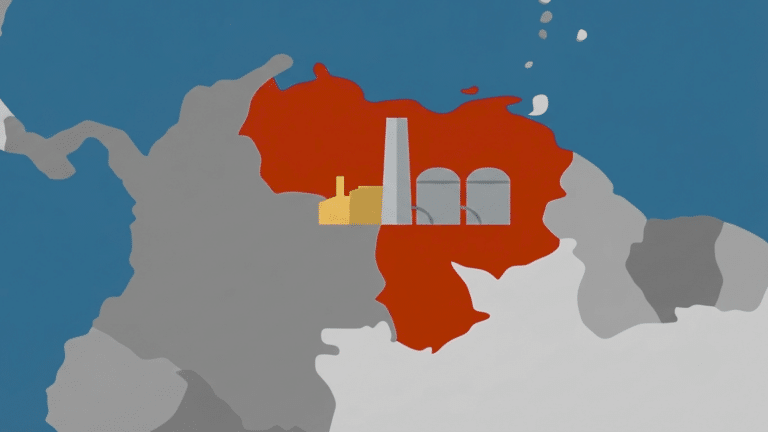
The economic and humanitarian consequences of the June 24 twin earthquakes in Venezuela continue to emerge.
Hear in-depth conversations with the world’s top energy and climate leaders from government, business, academia, and civil society.
As the demand for power surges across the US, the debate over how to build energy infrastructure has reached a fever pitch. And while both sides of the...
Find out more about our upcoming and past events.
Join industry leaders, innovators, employers, and emerging talent for an evening exploring the technologies, trends, and career opportunities shaping the future of climate tech.

Past Event
March 9, 2021
11:00 am - 12:30 pm utc
Iron and steel production is one of the largest and most important commodity sectors in the global economy, accounting for more than $2.5 trillion of sales and tied to millions of jobs around the world. The 1.8 billion tons of iron and steel made every year also contribute to global warming, accounting for more than 6% of global greenhouse gas emissions that cause climate change. Reducing emissions from this sector is a significant challenge, made more difficult because existing facilities will run for another 30-40 years on average and half the associated emissions are tied to the chemistry of iron production. Options to replace fuel and heat sources and reduce associated byproduct emissions are limited or expensive, and potential new solutions are not yet commercially available.
The Center on Global Energy Policy will host an event to explore the findings of new peer-reviewed research published in Joule, “Low-Carbon Production of Iron & Steel: Technology Options, Economic Assessment, and Policy Options,” focused on the dynamic landscape of net-zero energy systems in heavy industry. The research examines four potential approaches to decarbonizing hard-to-abate sectors like iron and steel production: zero-carbon hydrogen, biomass, electrification, and CCS; and assesses the current, likely and projected costs.
This webinar will feature a short presentation by Dr. Julio Friedmann, CGEP Senior Research Scholar, and Zhiyuan Fan, CGEP Research Associate, followed by a moderated discussion with leaders in industry, technology, policymaking and government.
Moderator:
Keynote:
Panelists:
—
This webinar will be hosted via Zoom. Advance registration is required. Upon registration, you will receive a confirmation email with access details. The event will be recorded and the video recording will be added to our website following the event.
This event is open to press, and registration is required to attend.
For media inquiries or requests for interviews, please contact Artealia Gilliard ([email protected]) or Genna Morton ([email protected]).
For more information about the event, please contact Caitlin Norfleet or Nicolina DueMogensen ([email protected]). ]]>
Join industry leaders, innovators, employers, and emerging talent for an evening exploring the technologies, trends, and career opportunities shaping the future of climate tech.
This event will take place in-person in Washington DC, at the Rayburn House Office Building, Room 2168 (Gold Room). Advance registration is required. Announcing New Columbia University Publications...

More than a month into the Iran conflict, the United States and Iran are at a critical inflection point.


This roundtable is open only to currently enrolled Columbia University students. To register, you must sign in with your UNI. Join the Center on Global Energy Policy’s Women...

Why U.S. economic models must account for climate change and the clean energy transition to improve policymaking, forecasting, and public investment decisions.

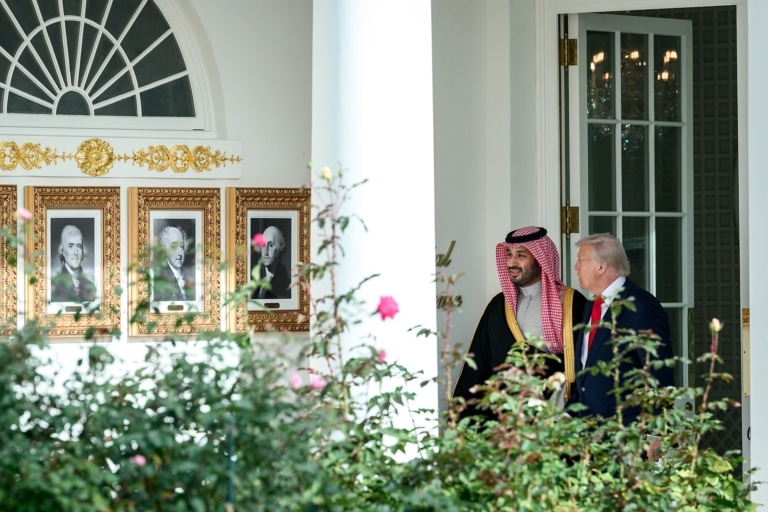
On June 22, the United States announced that it had signed a nuclear cooperation agreement with Saudi Arabia. This type of agreement broadly authorizes