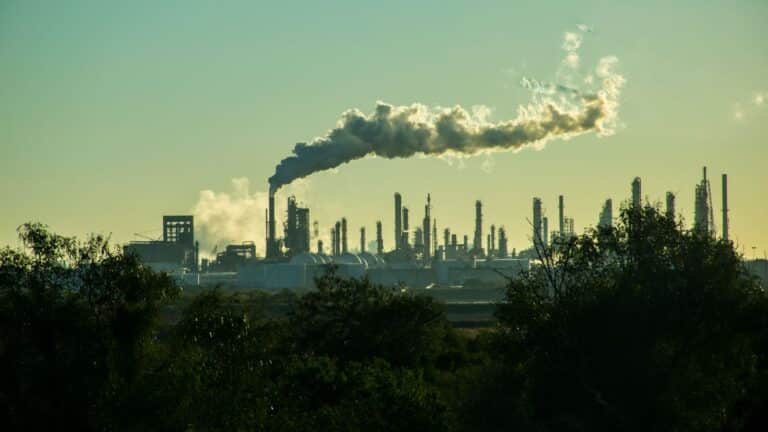
“Everything up in the air”: LNG, the Strait of Hormuz, and Central & Eastern Europe’s energy future
"LNG shipments to Central & Eastern Europe are reliable as long as those gas markets are not overly dependent upon one supplier."
Get the latest as our experts share their insights on global energy policy.
On February 28, the US and Israel launched new attacks on Iran targeting primarily the country's leadership, security forces, and missile program.

Hear in-depth conversations with the world’s top energy and climate leaders from government, business, academia, and civil society.
It’s been a head-spinning day in the Iran war. Earlier today, following a temporary truce between Lebanon and Israel, Iran announced that the Strait of Hormuz would be...

Find out more about our upcoming and past events.
The Columbia Global Energy Summit 2026 is an annual event dedicated to thought-provoking discussions around the critical energy and climate challenges facing the global community.
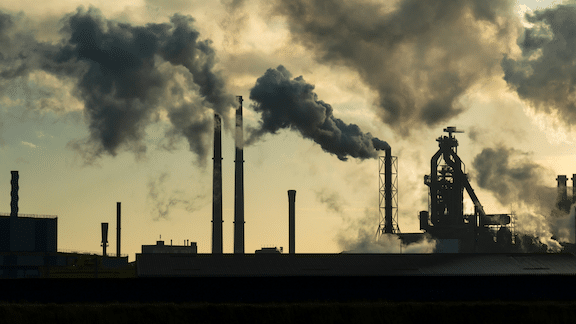
The decline of domestic fossil fuel production in the United States poses serious economic risks for communities that rely on fossil fuel industries for jobs and public revenues. Many of these communities lack the resources and capacity to manage those risks on their own. The absence of viable economic strategies for affected regions is a barrier to building the broad, durable coalitions needed for an equitable national transition to cleaner energy sources.
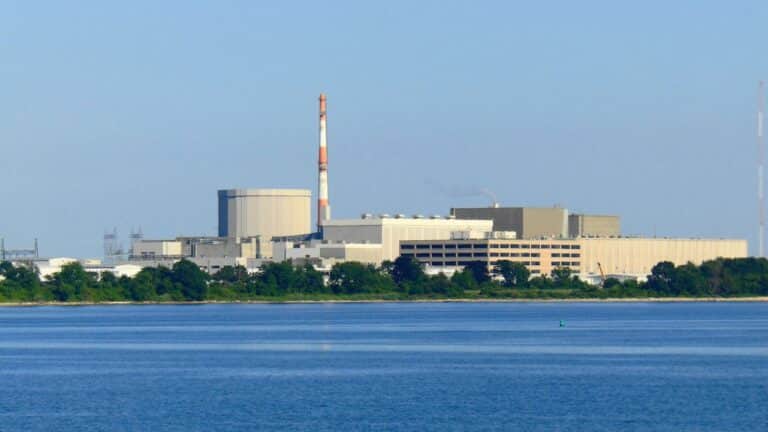
This report explores how residents of North Lawndale, a predominantly Black and historically under-resourced neighborhood on Chicago’s West Side, experience the compounded effects of heat waves and power outages.

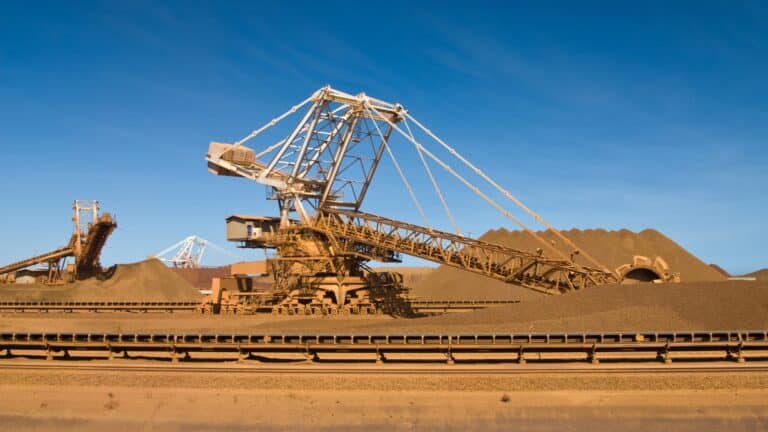
The report outlines five foundational choices if a stockpiling strategy is adopted, as bipartisan support suggests is possible.
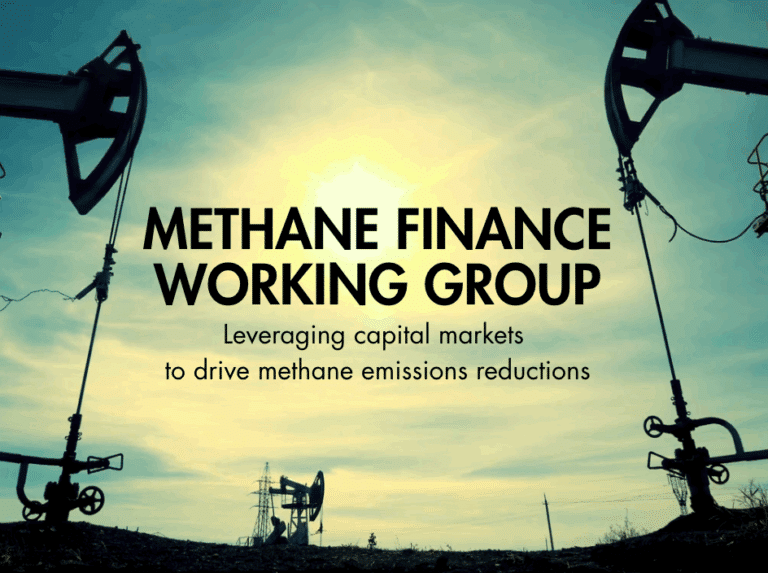
Human-caused methane emissions have contributed to at least one quarter of global warming since the preindustrial era. Since methane is 80 times more potent than carbon dioxide (CO2) in trapping heat over the first two decades after its release, abating methane is considered a critical near-term strategy for reducing emissions.[
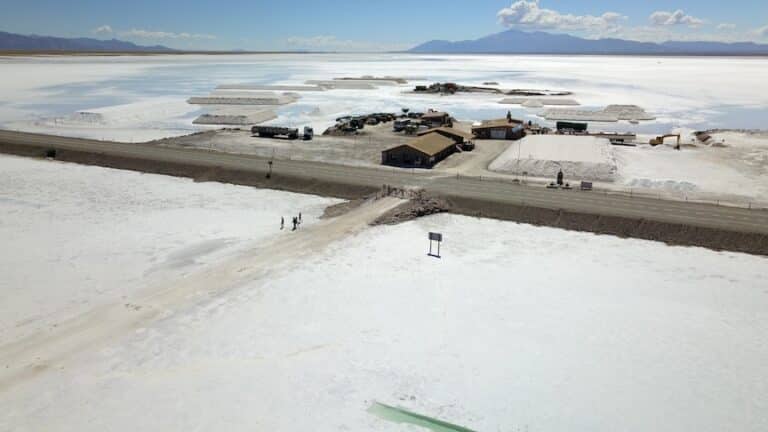
Lithium plays a critical role in the global energy transition. It is the core ingredient of lithium-ion batteries that power electric vehicles (EVs) and are used in stationary energy storage systems.
The report presents insights on Oklahoma’s economic resilience strategies, relevant policies, and proposed program enhancements based on a set of interviews with key stakeholders.
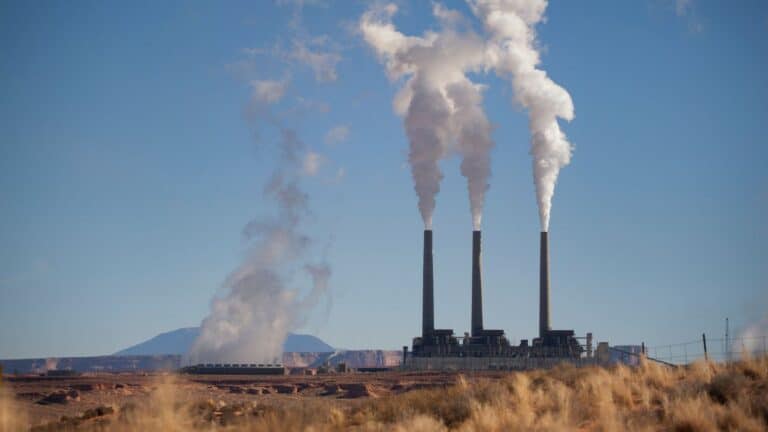
Rapidly reducing greenhouse gas emissions from fossil fuels to address the severe threats of climate change requires economic transformations that pose challenges for regions heavily dependent on coal, oil, natural gas, or other carbon-intensive industries.