Energy Markets Series: Half-Time Talk Weekly Feature Interview
Dr. Tatiana Mitrova, Research Fellow, Center on Global Energy Policy, Columbia UniversityTells Half-Time Talk GI Exclusive Interview: âEnergy Markets Pass th...
Get the latest as our experts share their insights on global energy policy.
Midterm voters gave Democrats control of both chambers of Congress and flipped governorships in states central to data center development.
Hear in-depth conversations with the world’s top energy and climate leaders from government, business, academia, and civil society.
Earlier this month, US voters handed Democrats control of both chambers of Congress and flipped several governorships across the country. The dramatic shift in power raises big questions...
Past Event
February 7, 2019
1:00 pm - 2:15 pm
Washington is gridlocked on climate solutions — as well as many other policy matters. The scientific community is using ever-starker language to describe risks arising from a warming climate. Against this backdrop, a number of American political leaders are calling for new, more ambitious climate solutions. One of the most visible and ambitious is the proposal of a “Green New Deal” to transform America’s energy system, create new jobs through massive investments in clean energy and public infrastructure, and address social challenges such as the need for living wages, healthcare and environmental justice. On February 7, the Women in Energy program of the Center on Global Energy Policy will host an all-student roundtable with Rhiana Gunn-Wright of New Consensus, a Chicago-based policy design shop. Gunn-Wright is the 29-year-old policy director of New Consensus and is leading an effort to build out the elements of what a Green New Deal should include. — This event is open to all students. Registration is required. Space is limited therefore please register only if you can commit to attending the roundtable. Lunch will be provided. For more information contact: [email protected].
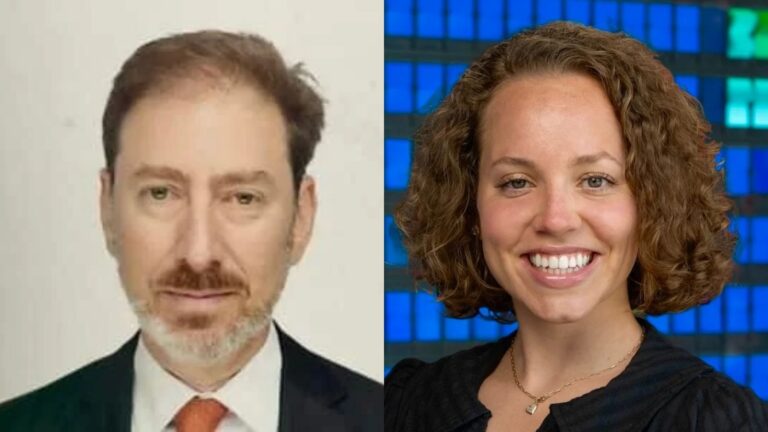
CGEP invites students to join a roundtable discussion with Cassady Walters, Vice President, Power, The Rockefeller Foundation.

Putting data centers in space once seemed fanciful. Today, a growing number of companies have started doing so.

Registration is closed. The Center on Global Energy Policy at Columbia University SIPA’s Women in Energy initiative invites Columbia University students to a roundtable discussion with Dr. Zainab...

This student-only roundtable gives students a chance to explore the connections between global energy markets, geopolitics, finance, and career opportunities across the energy sector.
Midterm voters gave Democrats control of both chambers of Congress and flipped governorships in states central to data center development.
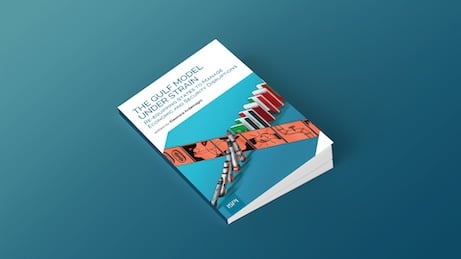
The Iran war is testing the resilience of GCC states. As chokepoints become weapons and US deterrence weakens, how are Gulf countries adapting their defence, energy and connectivity policies to protect economic continuity and advance diversification?
The shift in the balance of political power will help determine which US policies can be funded and sustained over the next two years.