This website uses cookies as well as similar tools and technologies to understand visitors’ experiences. By continuing to use this website, you consent to Columbia University’s usage of cookies and similar technologies, in accordance with the Columbia University Website Cookie Notice.
Energy Explained
Get the latest as our experts share their insights on global energy policy.
G7 Progress on Critical Minerals Diversification Overlooks Demand Side
This Energy Explained post represents the research and views of the author(s). It does not necessarily represent the views of the Center on Global Energy Policy. The piece...

Podcasts
Hear in-depth conversations with the world’s top energy and climate leaders from government, business, academia, and civil society.
Michael Cembalest Does the Math on the Energy Transition
The energy transition is in the midst of its own transition. Spiking electricity demand and geopolitical events are driving up energy prices, while debates over the best sources...
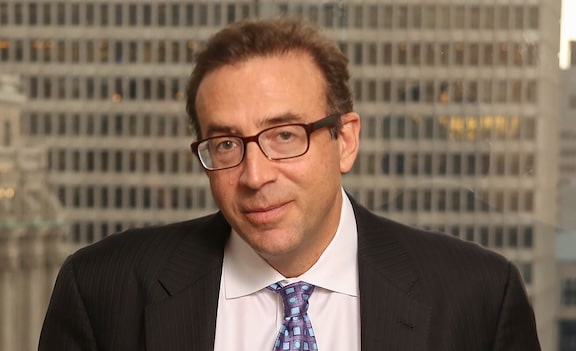
The collapse of oil prices since mid-2014 has shaken many of the cornerstones of the oil markets. For decades, oil-importing countries have relied on the oil-producing economies of the Gulf Cooperation Council (GCC) to balance the global market. At the same time, oil has financed the rapid development of the GCC nations, and, as such, the modern history of oil and the Middle East cannot be disentangled. But the oil market has not been standing still. As part of its efforts to help improve understanding of the challenging issues emerging from the new oil world, the Center on Global Energy Policy organized a discussion of the global market, domestic economic and geopolitical considerations facing the Gulf Cooperation Council (GCC) countries with a distinguished set of experts:
- Jason Bordoff, Founding Director, Center on Global Energy Policy
- Bassam Fattouh, Director, Oxford Institute for Energy Studies
- F. Gregory Gause, III, John H. Lindsey 44 Chair, Professor of International Affairs and Head of the International Affairs Department, Bush School of Government and Public Service, Texas A&M University
- Amos Hochstein, Special Envoy and Coordinator for International Energy Affairs, Bureau of Energy Resources, U.S. Department of State
- Adnan Shihab-Eldin, Director General, Kuwait Foundation for Advancement of Sciences
- Adam Sieminski, Administrator, US Energy Information Administration
More Episodes
Michael Cembalest Does the Math on the Energy Transition
The energy transition is in the midst of its own transition. Spiking electricity demand and geopolitical events are driving up energy prices, while debates over the best sources...
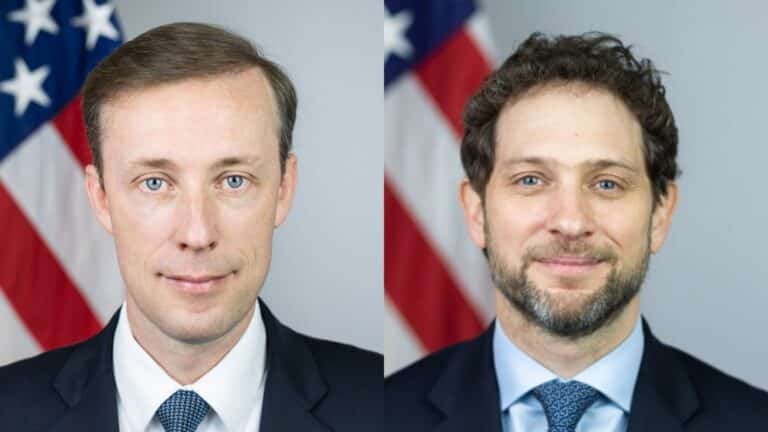
Jake Sullivan and Jon Finer on the US-Iran Deal, Hormuz Realities, and Iran’s Nuclear Future
Yesterday, the US and Iran signed a memorandum of understanding starting the clock on a 60-day truce. The agreement intends to halt attacks, begin lifting the US naval...
Columbia Energy Exchange Podcast
• June 18, 2026
Iran Conflict Brief: The US-Iran Deal and a New Phase of Accommodation
The 109-day-old Iran crisis is heading toward an off-ramp in the form of a not-yet-public Memorandum of Understanding to reopen the Strait of Hormuz. While energy markets are...
Columbia Energy Exchange Podcast
with Karen E. Young
, Richard Nephew
and Ira Joseph
• June 16, 2026

Jessica Uhl on the Fractured Energy Transition: Why Speed Matters Now
The clean energy transition had real momentum at the end of 2024. It was buoyed by federal support, billions of dollars of investment in new technologies, and broad...

Relevant
Publications
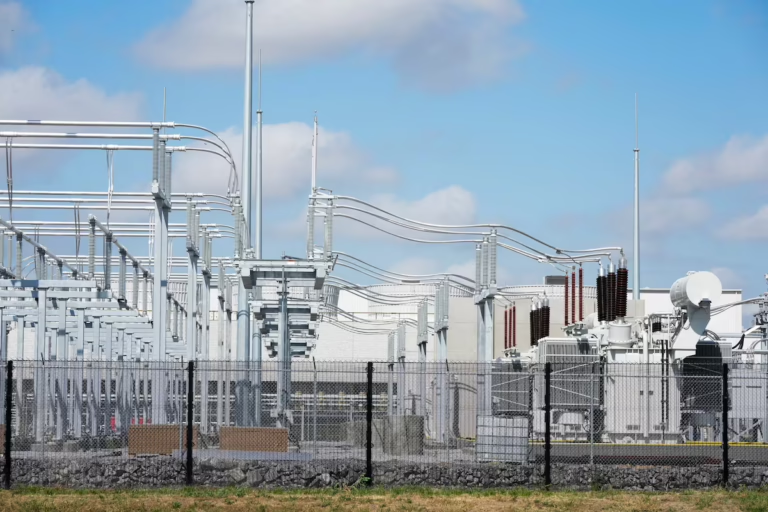
G7 Progress on Critical Minerals Diversification Overlooks Demand Side
This Energy Explained post represents the research and views of the author(s). It does not necessarily represent the views of the Center on Global Energy Policy. The piece...