This website uses cookies as well as similar tools and technologies to understand visitors’ experiences. By continuing to use this website, you consent to Columbia University’s usage of cookies and similar technologies, in accordance with the Columbia University Website Cookie Notice.
Energy Explained
Get the latest as our experts share their insights on global energy policy.
New US Tariffs on Solar Products Establish Price Floors, but Onshoring Will Require Capacity Build-out
President Trump issued a proclamation on August 6 imposing tariffs on polysilicon and solar products.

Podcasts
Hear in-depth conversations with the world’s top energy and climate leaders from government, business, academia, and civil society.
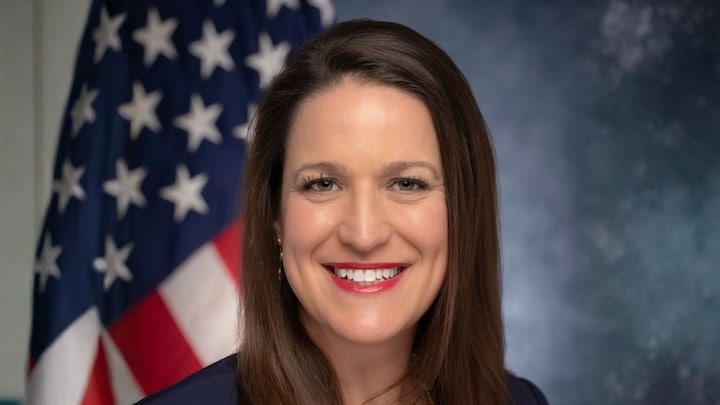
DOE’s Audrey Robertson on Growing US Critical Mineral Supply
Advanced technologies, a return to domestic manufacturing, and the race to control energy production while also confronting surging demand for electricity—all of these factors mean that for the...
Columbia Energy Exchange Podcast
• September 1, 2026
Events
Find out more about our upcoming and past events.
September 10, 2026
• 10:00 am - 11:00 am
edt
Carbon Markets Webinar: The Path Forward for Carbon Credit Markets
PCCMs facilitate the generation, trading, and retirement of carbon credits from projects that remove, reduce, or avoid greenhouse gas emissions. By creating a revenue stream from verified climate...
Event

Guest
Paul Dabbar
CGEP Distinguished Visiting Fellow and CEO of Bohr Quantum Technologies
The lithium-ion battery. The megawatt-scale wind turbine. The crystalline-silicon solar panel.
All popular, scalable low-carbon innovations that enjoy modern commercial success today started as prototypes with promise but lacking in funds, scalability, and widespread support. It takes innovators to bring those ideas out of the lab and into the global markets.
Host Jason Bordoff spoke with one of those innovators. Paul Dabbar is a former undersecretary of science for the U.S. Department of Energy and current CEO of Bohr Quantum Technologies. He’s also currently a Distinguished Visiting Fellow at Columbia’s Center on Global Energy Policy.
Their wide-ranging conversation focused on the legislative barriers toward research and development funding for renewable energy projects, the future of nuclear, and the cutting-edge field of quantum networking.
More Episodes
DOE’s Audrey Robertson on Growing US Critical Mineral Supply
Advanced technologies, a return to domestic manufacturing, and the race to control energy production while also confronting surging demand for electricity—all of these factors mean that for the...
Columbia Energy Exchange Podcast
• September 1, 2026
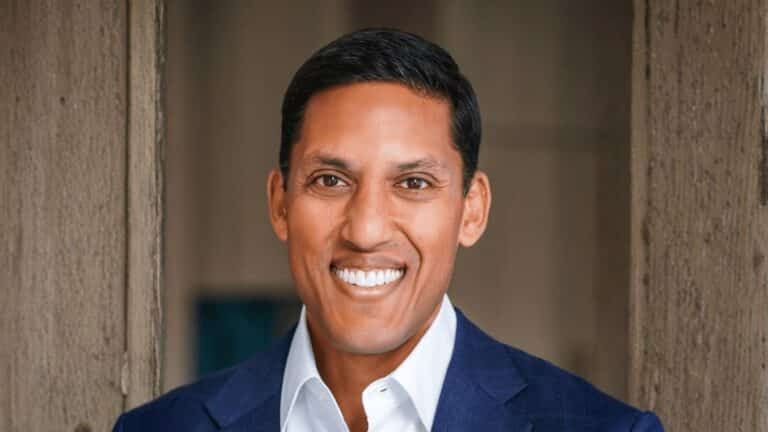
Editor’s Pick: Rajiv Shah on Delivering Universal Abundant Energy Access
Energy abundance means different things in today’s global context than it did even a decade ago. It is about expanding electricity access while meeting rising energy demand. It...
Columbia Energy Exchange Podcast
• August 25, 2026
Matthew Yglesias on Abundance and the Politics of Energy
Abundance and affordability have become buzzwords among policymakers, who often have sharply different interpretations of how to attain them. To some, an energy abundance agenda means fewer regulatory...

Luisa Palacios on Rebuilding Venezuela’s Oil Industry After the Quakes
It started last year as a pressure campaign at sea, with the United States seizing tankers as part of what President Trump called a “total and complete blockade”...

Relevant
Publications
Fix Modeling and Cost-Benefit Analysis
Why U.S. economic models must account for climate change and the clean energy transition to improve policymaking, forecasting, and public investment decisions.


Glass Half Full: Building a Decarbonized U.S. Power Sector
The Inflation Reduction Act of 2022 (IRA) was built, sold, and attacked as the largest climate investment in U.S. history. […]
External Publication
with Lily Bermel •
MIT Center for Energy and Environmental Policy Research
• July 06, 2026

Doomsday Climate Scenarios Were Wrong. That Doesn’t Help Europe.
Recent scientific reassessments strengthen the case for rapid climate action rather than weaken it.