This website uses cookies as well as similar tools and technologies to understand visitors’ experiences. By continuing to use this website, you consent to Columbia University’s usage of cookies and similar technologies, in accordance with the Columbia University Website Cookie Notice.
It started last year as a pressure campaign at sea, with the United States seizing tankers as part of what President Trump called a “total and complete blockade”...
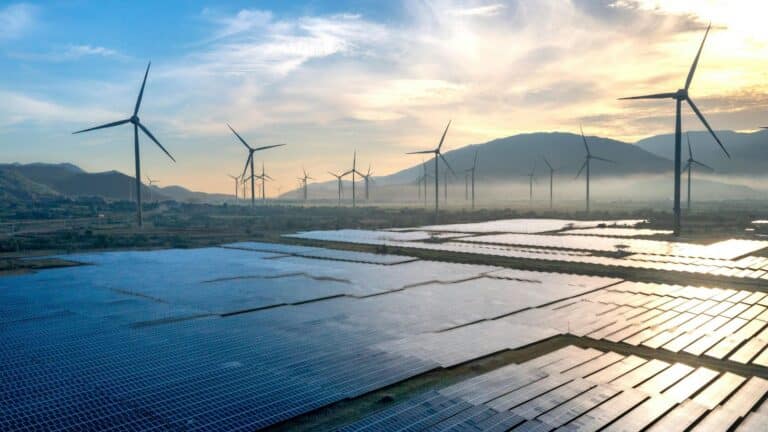
PCCMs facilitate the generation, trading, and retirement of carbon credits from projects that remove, reduce, or avoid greenhouse gas emissions. By creating a revenue stream from verified climate...
Event
About Us
We are the premier hub and policy institution for global energy thought leadership. Energy impacts every element of our lives, and our trusted fact-based research informs the decisions that affect all of us.
Storytelling and the Geopolitics of Petroleum: Student Roundtable Discussion with Vahan Zanoyan, Author & Global Energy Consultant
Past Event
November 20, 2017
12:30 pm - 2:00 pm
Share
Join the Center on Global Energy Policy for a presentation with author Vahan Zanoyan on Storytelling and the Geopolitics of Petroleum, based on his novel on his latest book The Sacred Sands. Mr. Zanoyan uses his decades of experience in the energy sector as an adviser to oil companies, governments, investors and traders to write a gripping novel that takes the reader inside the Middle Eastern oil industry and regional geopolitics. Following his presentation in which he will explain the evolution of oil industry and, in particular, geopolitics of Middle East oil, we will move to a moderated discussion. This event is only open to students. Since space is limited, RSVPs will be accepted on a first-come basis until capacity is reached. Please only RSVP if you can commit to attending. Lunch will be provided.
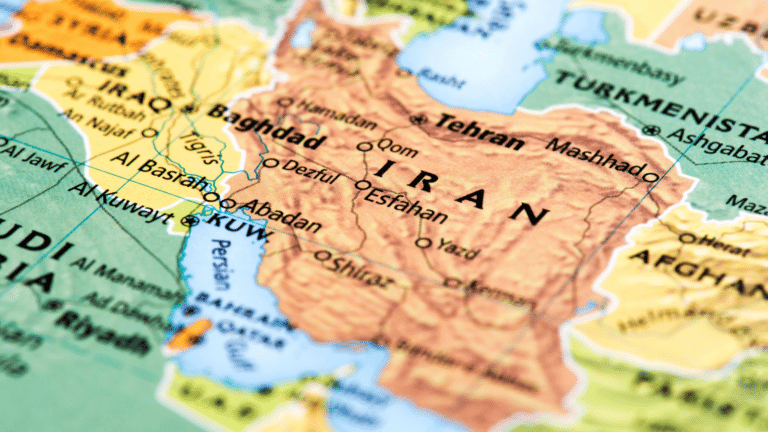
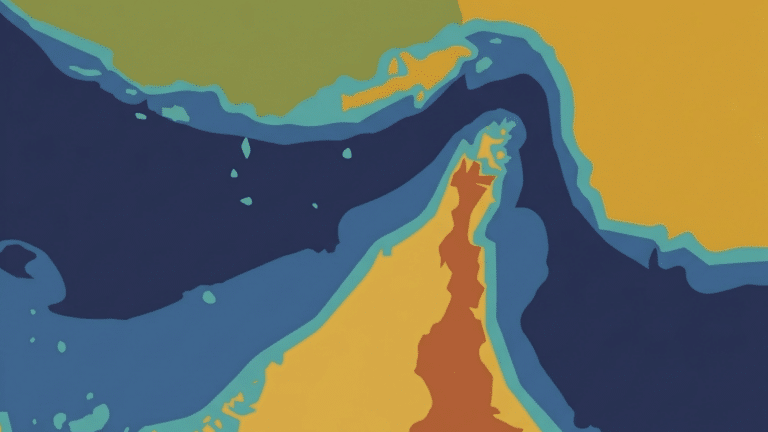
On February 28, the United States and Israel launched an attack on Iran, resulting in the deaths of Iranian Supreme Leader Ali Hosseini Khamenei and senior Iranian leaders...
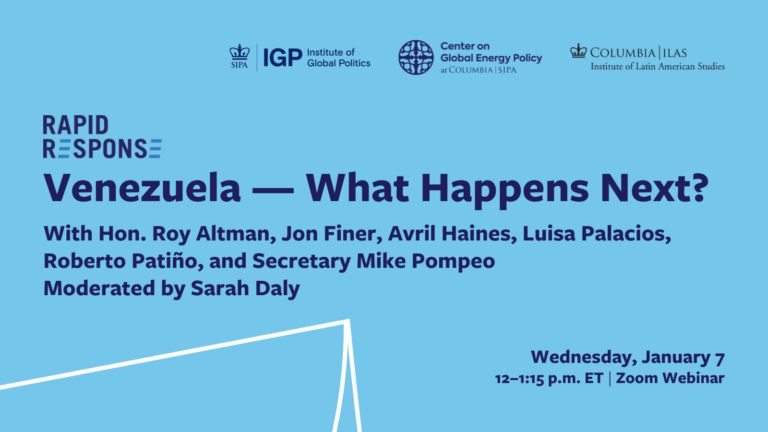
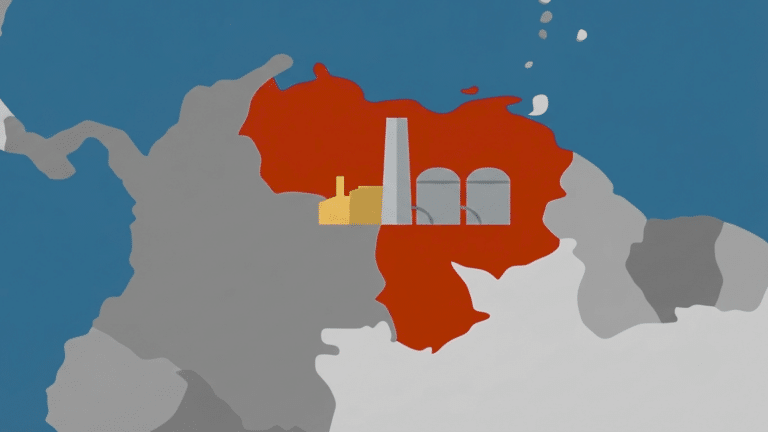
The recent military operation to remove Venezuelan President Nicolás Maduro and First Lady Cilia Flores raises several implications for the future of Venezuela and Latin America, geopolitics, and energy markets. Cosponsored by SIPA’s Institute of Global Politics (IGP) and Center for Global Energy Policy (CGEP), along with Columbia’s Institute of Latin American Studies (ILAS), this webinar will analyze the circumstances and impact of their capture and extradition to New York to face narcoterrorism and drug trafficking charges.
The Columbia Global Energy Summit 2026 is an annual event dedicated to thought-provoking discussions around the critical energy and climate challenges facing the global community.
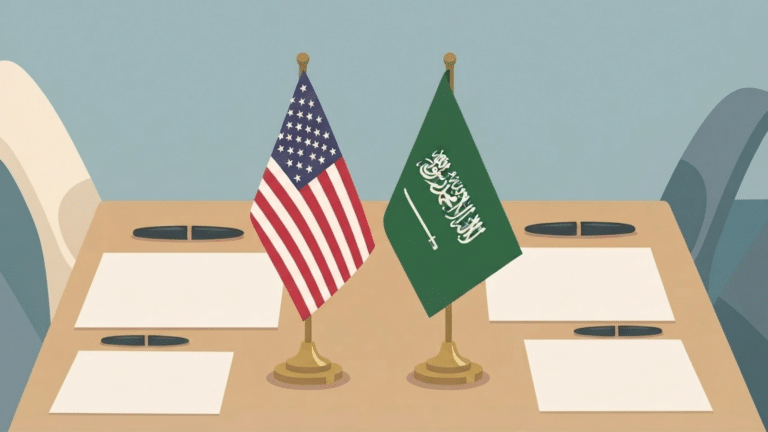
The Trump administration and Saudi leadership have reportedly agreed to a nuclear agreement that could enable US nuclear technology transfers to Saudi Arabia.