Coinbase co-founder’s Venezuela oil bet could ripple into crypto
Fred Ehrsam, who was a co-founder of Coinbase and is still a member of the board of Coinbase, has spent long months of his life living in one of the hotels of
Get the latest as our experts share their insights on global energy policy.
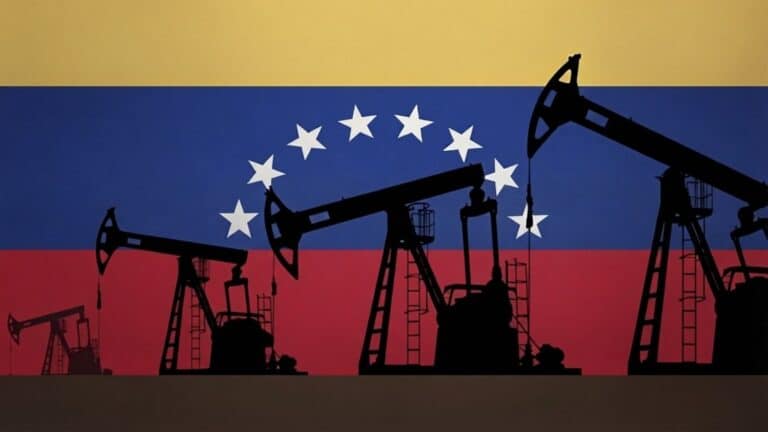
The White House announced last week an oil deal for more than 65 billion barrels of oil reserves in Venezuela and a 35% equity stake in North American Blue Energy Partners (NABEP).
Hear in-depth conversations with the world’s top energy and climate leaders from government, business, academia, and civil society.
It's been a tumultuous year for Venezuela, marked by political upheaval and deadly earthquakes. Then, in late August, the Trump administration announced a deal for over 65 billion...
Find out more about our upcoming and past events.
Join Women in Energy at Columbia University's Center on Global Energy Policy for a virtual information session on careers at the World Bank Group. The World Bank Group...

Past Event
October 22, 2025
9:00 am - 10:00 am edt
The growth of green industrial policy in major economies is creating friction between climate and trade. If allowed to escalate, these frictions may disrupt climate action and undermine countries’ broader economic and development objectives. Cooperative solutions can help ease these tensions and open opportunities to leverage trade toward more ambitious and equitable climate action.
One year ago, the Center on Global Energy Policy, in partnership with the Institute of Global Politics, launched the International Dialogue on Climate and Trade to help governments build common ground on cooperative approaches.
Phase one of the Dialogue brought 22 governments together with experts and stakeholders from academia, think tanks, the private sector, labor, and civil society in in-depth workshops in Brazil, Singapore, and South Africa.
The Center on Global Energy Policy hosted leading thinkers for a presentation and discussion of a new report distilling insights drawn from the first year of this critical Dialogue.
Speakers:
https://youtu.be/UP_Zc88AlUI During New York Climate Week, join the Center on Global Energy Policy (CGEP) at Columbia SIPA and the Government of Brazil for conversations with high-level international policymakers...

*Registration is closed for this event. The Center on Global Energy Policy at Columbia University SIPA's Women in Energy initiative, in collaboration with the Columbia Policy Institute, invites...

Around the world, countries are making transformative investments and deploying innovative trade policies to meet the urgent challenge of climate change.
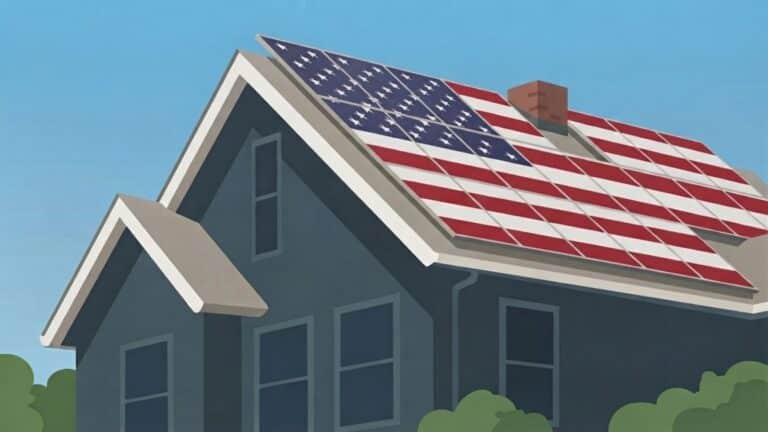
President Trump issued a proclamation on August 6 imposing tariffs on polysilicon and solar products.
As the Senate weighs the CLARITY Act, gaps in oversight could hand adversaries new ways to evade sanctions and launder money.
In March 2026, the Office of the US Trade Representative (USTR) announced it was investigating "structural excess capacity and production in manufacturing sectors" in 16 economies.