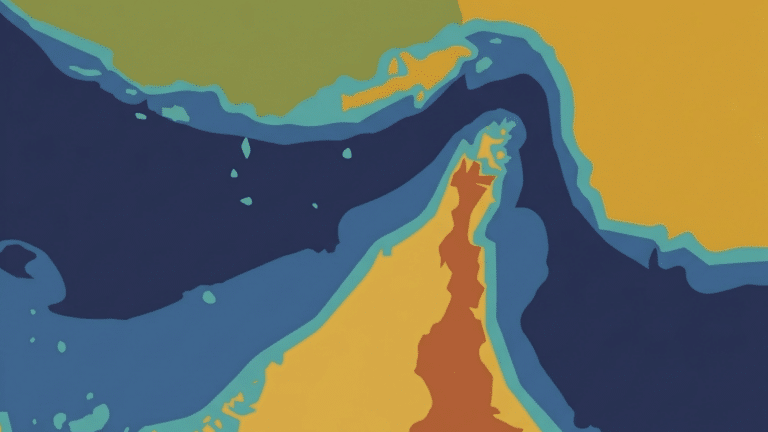
U.S.-Iran MOU tension points are in Lebanon, says Columbia’s Karen Young
Karen Young, Columbia University, joins 'Power Lunch' to discuss the latest agreement between the U.S. and Iran, what could terminate the MOU and much more.
Get the latest as our experts share their insights on global energy policy.
Critical minerals were once again near the top of the agenda for G7 leaders as they met in Évian, France, this week, a year after the G7 launched the Critical Minerals Action Plan.

Hear in-depth conversations with the world’s top energy and climate leaders from government, business, academia, and civil society.
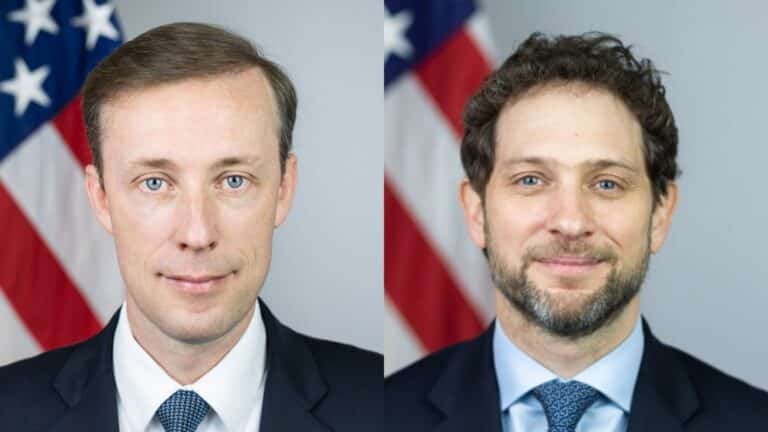
Yesterday, the US and Iran signed a memorandum of understanding starting the clock on a 60-day truce. The agreement intends to halt attacks, begin lifting the US naval...
Find out more about our upcoming and past events.
This event will take place in-person in Washington DC, at the Rayburn House Office Building, Room 2168 (Gold Room). Advance registration is required. Announcing New Columbia University Publications...
Past Event
May 12, 2015
10:00 am - 11:30 am
Please join the Center on Global Energy Policy for a discussion on India’s Energy Future, featuring remarks by:
As the world’s 4th largest energy consumer and the 3rd largest emitter of greenhouse gases, India’s energy policy choices will have significant implications for energy markets, geopolitics and global climate policies. How can India meet its economic, environmental and security goals with energy demand projected to double by 2035? How can energy access be improved for the nearly one-quarter of the population who do not have reliable access to electricity? What are the opportunities for furthering US-India energy cooperation? Following speaker remarks, a panel discussion moderated by CGEP Inaugural Fellow David Sandalow will explore these questions.
This event will be livestreamed at: energypolicy.columbia.edu/watch
A podcast of this event (in addition to other past Center events) will be available ~3 to 5 days after the date of the event through iTunes or via our website.
For more information contact: [email protected]
This event will take place in-person in Washington DC, at the Rayburn House Office Building, Room 2168 (Gold Room). Advance registration is required. Announcing New Columbia University Publications...
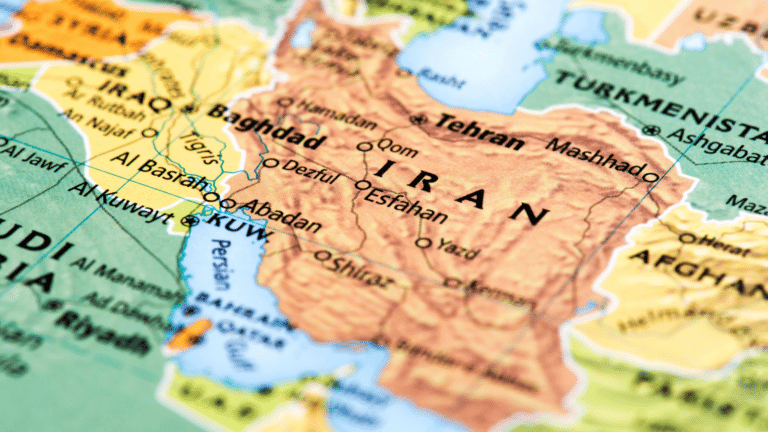
More than a month into the Iran conflict, the United States and Iran are at a critical inflection point.

This roundtable is open only to currently enrolled Columbia University students. To register, you must sign in with your UNI. Join the Center on Global Energy Policy’s Women...

This roundtable is open only to currently enrolled Columbia University students. To register, you must sign in with your UNI. The Center on Global Energy Policy (CGEP) at...

Critical minerals were once again near the top of the agenda for G7 leaders as they met in Évian, France, this week, a year after the G7 launched the Critical Minerals Action Plan.
Project-based carbon credit markets (PCCMs) facilitate the generation, trading, and retirement of carbon credits from projects that remove, reduce, or avoid greenhouse gas emissions.

The Center on Global Energy Policy is providing live updates on key developments related to the Iran crisis. Check back here for the latest.