This website uses cookies as well as similar tools and technologies to understand visitors’ experiences. By continuing to use this website, you consent to Columbia University’s usage of cookies and similar technologies, in accordance with the Columbia University Website Cookie Notice.
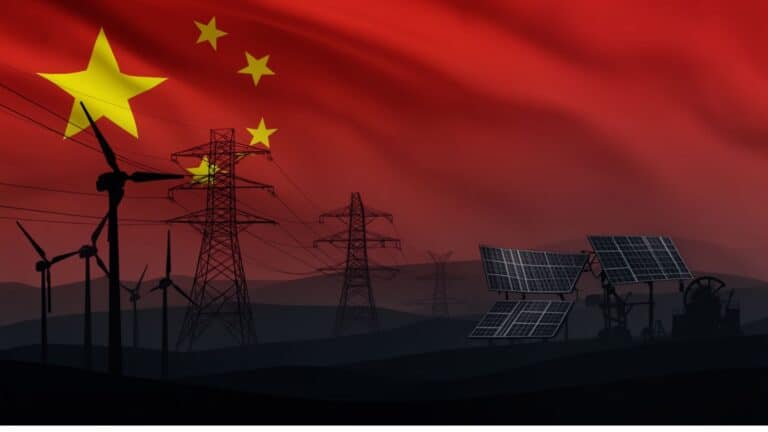
Two economic planning documents released at the March meeting of China's National People’s Congress include the term "energy powerhouse" for the first time.
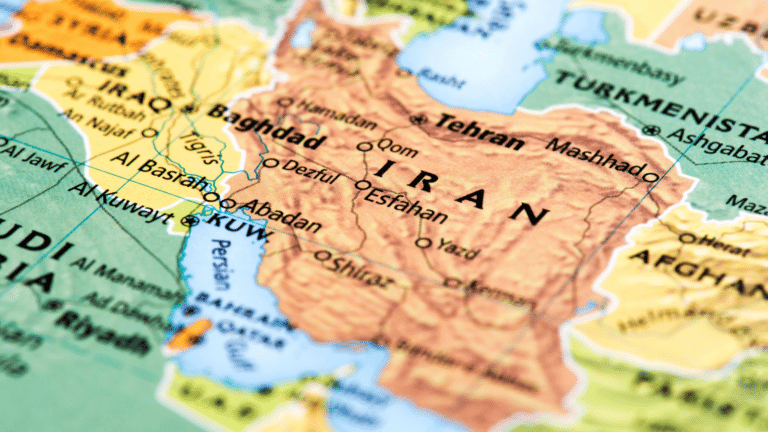
In moments of geopolitical crisis, energy is never just a backdrop. It's often at the center of the story. Today, as conflict involving Iran sends shockwaves through global...
We are the premier hub and policy institution for global energy thought leadership. Energy impacts every element of our lives, and our trusted fact-based research informs the decisions that affect all of us.
The Center on Global Energy Policy hosted a discussion of the 2021 edition of the World Energy Outlook, the IEA’s flagship publication. Tim Gould, Chief Energy Economist at the IEA, presented findings from the report. Following his presentation, he joined Dr. Melissa Lott, CGEP Director of Research and Senior Research Scholar, and Anne-Sophie Corbeau, CGEP Global Research Scholar, on a panel moderated by Jason Bordoff, CGEP Founding Director and Co-Founding Dean of the Columbia Climate School.
The report comes at a pivotal moment, not only during the run-up to COP26 but also when economic recovery from COVID-19 is contributing to a huge run-up in prices. The essence of this year’s WEO is a detailed stocktake of how far countries have come in their clean energy transitions, how far they still have to go to reach the goal of limiting temperature rises to 1.5 °C, and what actions governments and others can take to seize opportunities along the way. The WEO also assesses vulnerabilities that could affect the reliability or affordability of energy, as well as the variety of starting points and national circumstances of countries around the world. The findings have been widely reported around the world, stimulating debate on a range of highly topical issues of clean energy transitions, energy security, investment and sustainability.
This roundtable is open only to currently enrolled Columbia University students. To register, you must sign in with your UNI. Join the Center on Global Energy Policy’s Women...
Event
• Center on Global Energy Policy
1255 Amsterdam Ave, New York, NY 10027
This roundtable is open only to currently enrolled Columbia University students. To register, you must sign in with your UNI. The Center on Global Energy Policy (CGEP) at...
Event
• Center on Global Energy Policy
1255 Amsterdam Ave, New York, NY 10027
This roundtable is open only to currently enrolled Columbia University students. To register, you must sign in with your UNI. The Center on Global Energy Policy at Columbia...
Event
• Center on Global Energy Policy
1255 Amsterdam Ave, New York, NY 10027
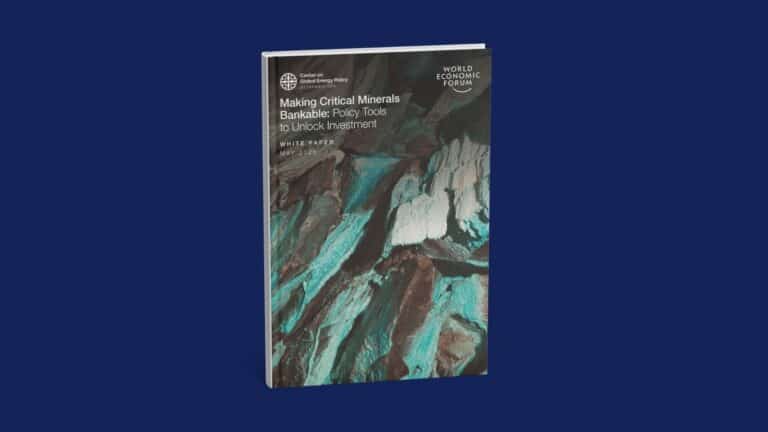
This paper proposes a de-risking framework of policy interventions to provide the risk allocation, revenue certainty and delivery confidence required by mainstream private finance.