The Next Big Energy Trade After Oil · Ira Joseph
For most of its life, US natural gas was a purely domestic price. It answered American weather, American production, American supply. That is changing fast.T...
Get the latest as our experts share their insights on global energy policy.
The Iran crisis, whenever it ends, will materially change how the LNG market operates.
Hear in-depth conversations with the world’s top energy and climate leaders from government, business, academia, and civil society.
Nearly a month after a ceasefire, the US-Iran deal seems to have all but collapsed as both nations have slipped back into active conflict. On Sunday, Tehran announced...

Past Event
January 28, 2016
12:00 pm - 1:30 pm
The collapse of oil prices since mid-2014 has shaken many of the cornerstones of the oil markets. For decades, oil-importing countries have relied on the oil-producing economies of the Gulf Cooperation Council (GCC) to balance the global market. At the same time, oil has financed the rapid development of the GCC nations, and, as such, the modern history of oil and the Middle East cannot be disentangled. But the oil market has not been standing still. As part of its efforts to help improve understanding of the challenging issues emerging from the new oil world, please join the Center on Global Energy Policy for a discussion of the global market, domestic economic and geopolitical considerations facing the Gulf Cooperation Council (GCC) countries with a distinguished set of experts:
– Jason Bordoff, Founding Director, Center on Global Energy Policy
– Bassam Fattouh, Director, Oxford Institute for Energy Studies
– F. Gregory Gause, III, John H. Lindsey 44 Chair, Professor of International Affairs and Head of the International Affairs Department, Bush School of Government and Public Service, Texas A&M University
– Amos Hochstein, Special Envoy and Coordinator for International Energy Affairs, Bureau of Energy Resources, U.S. Department of State
– Adnan Shihab-Eldin, Director General, Kuwait Foundation for Advancement of Sciences
– Adam Sieminski, Administrator, US Energy Information Administration
Registration is required. This event is open to press. It will also be livestreamed at: energypolicy.columbia.edu/watch
A podcast of this event (in addition to other past Center events) will be available ~5 days after the date of the event through iTunes or via our website.
For more information contact: [email protected]
More than a month into the Iran conflict, the United States and Iran are at a critical inflection point.
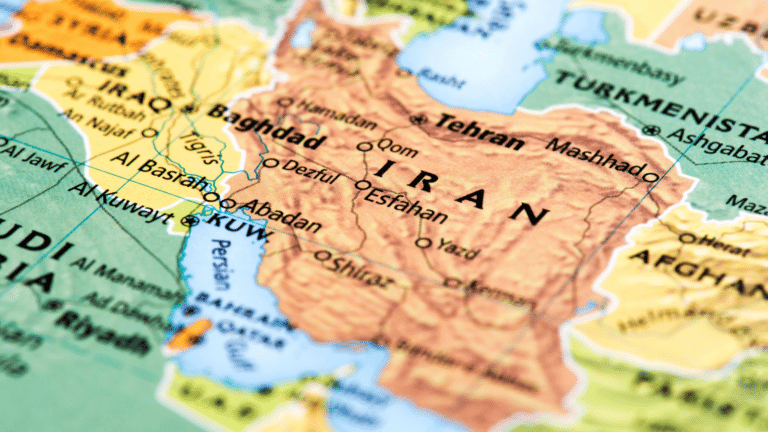

On February 28, the United States and Israel launched an attack on Iran, resulting in the deaths of Iranian Supreme Leader Ali Hosseini Khamenei and senior Iranian leaders...

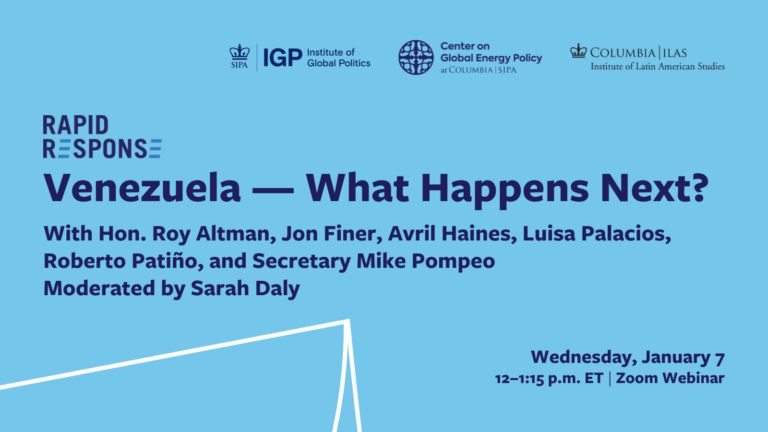
The recent military operation to remove Venezuelan President Nicolás Maduro and First Lady Cilia Flores raises several implications for the future of Venezuela and Latin America, geopolitics, and energy markets. Cosponsored by SIPA’s Institute of Global Politics (IGP) and Center for Global Energy Policy (CGEP), along with Columbia’s Institute of Latin American Studies (ILAS), this webinar will analyze the circumstances and impact of their capture and extradition to New York to face narcoterrorism and drug trafficking charges.
The Columbia Global Energy Summit 2026 is an annual event dedicated to thought-provoking discussions around the critical energy and climate challenges facing the global community.
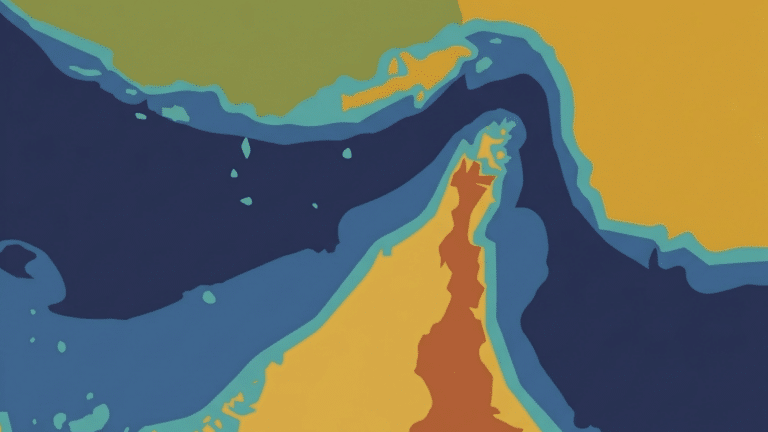
The Center on Global Energy Policy is providing live updates on key developments related to the Iran crisis. Check back here for the latest.
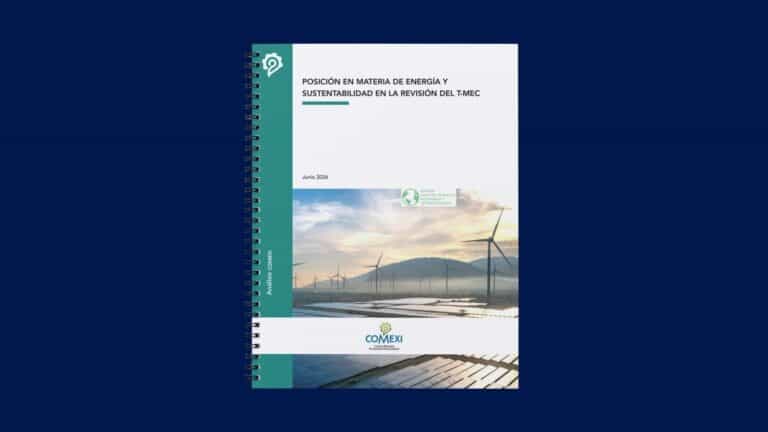
El Consejo Mexicano de Asuntos Internacionales (COMEXI) y la Unidad de Estudio y Reflexión sobre Energía y Sustentabilidad, presentan el análisis: “Posición en materia de energía y sustentabilidad en la revisión del T-MEC" El documento analiza cómo México puede aprovechar este proceso para fortalecer la integración energética de América del
The UNFCCC process is marred by gridlock in the COP multilateral framework, threatening joint efforts by countries to mitigate the climate crisis.