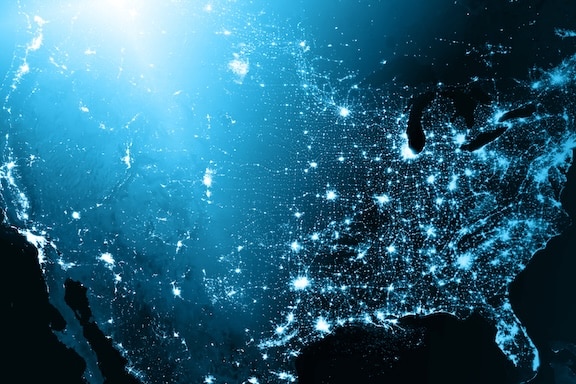
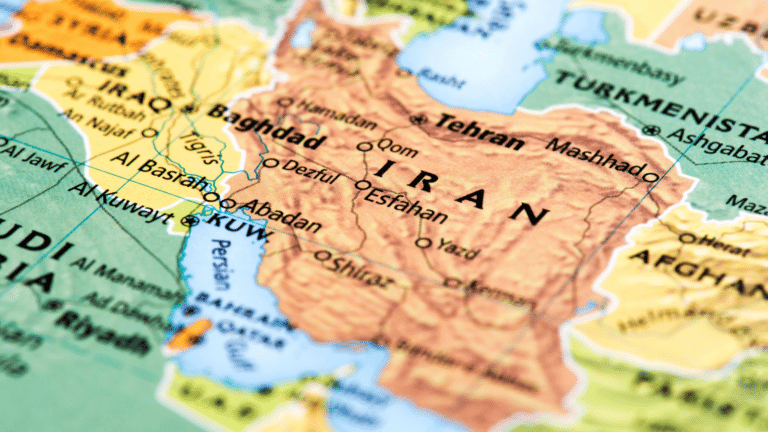
Kuwait looks to the cloud as power grid feels the strain
Kuwait has invited bids to construct three power substations that will supply electricity to Google Cloud data storage centres
Current Access Level “I” – ID Only: CUID holders, alumni, and approved guests only
Past Event
March 1, 2018
4:30 pm - 6:00 pm
Global energy markets are experiencing a period of dramatic change. Markets have experienced several years of abrupt price drops and recoveries. New producers and new technologies are exerting price pressure in oil and gas markets. Some are even debating the future of demand for oil, the most ubiquitous fuel. Even in this time of change, however, no region remains more important for the global energy scene than the Middle East, and the influence of the Gulf Arab States remains extremely high. In order to understand current trends in energy markets, and their implications for economies and geopolitical relations of the Gulf states, the Center on Global Energy Policy will host a discussion with an outstanding panel of leading decision-makers and analysts: • Dr. Matar Al Neyadi, Under Secretary, UAE Ministry of Energy • Dr. Adnan Shihab-Eldin, Director General, Kuwait Foundation for the Advancement of Science • Dr. Helima Croft, Managing Director and Global Head of Commodity Strategy, RBC Capital Markets • Dr. Bernard Haykel, Professor of Near Eastern Studies & Director, Institute for Transregional Study of the Contemporary Middle East, Princeton University • Nabil Al-Khowaiter, Senior Advisor, Saudi Ministry of Energy, Industry, and Mineral Resources — Registration is required. Guests unable to attend can view a livestream of the event at energypolicy.columbia.edu/livestream. This event is open to press. Please direct media inquiries to Jamie Shellenberger-Bessmann ([email protected]) It will be livestreamed at energypolicy.columbia.edu/livestream. A podcast of this event (in addition to other past Center events) will be available ~12 days after the date of the event through iTunes or via our website.
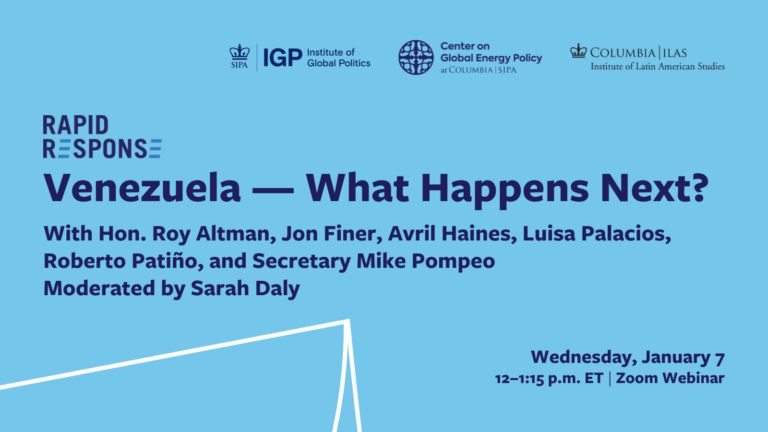
The recent military operation to remove Venezuelan President Nicolás Maduro and First Lady Cilia Flores raises several implications for the future of Venezuela and Latin America, geopolitics, and energy markets. Cosponsored by SIPA’s Institute of Global Politics (IGP) and Center for Global Energy Policy (CGEP), along with Columbia’s Institute of Latin American Studies (ILAS), this webinar will analyze the circumstances and impact of their capture and extradition to New York to face narcoterrorism and drug trafficking charges.
The Columbia Global Energy Summit 2026 is an annual event dedicated to thought-provoking discussions around the critical energy and climate challenges facing the global community.
https://www.youtube.com/watch?v=vWh5WQVVMLc Global gas markets are set to undergo major changes by the end of the decade, with the coming wave of liquefied natural gas (LNG) production capacity poised...
On October 22, the United States Department of the Treasury announced the imposition of sanctions on Russia’s two largest oil companies, Rosneft and Lukoil, as a penalty for what it characterized as a lack of Russian commitment to ending the war in Ukraine.
Venezuela holds 70% of Latin America's natural gas reserves, which it could export to Colombia and Trinidad to increase revenues.
The US intervention in Venezuela may jeopardize both the flow of discounted Venezuelan oil to China's teapot refineries and the role of Chinese oil companies in Venezuela’s upstream business.
In discussing the dramatic seizure of Venezuelan President Nicolás Maduro and his wife, Cilia Flores, over the weekend, President Donald Trump declared that the United States would now “take back” the country’s oil. Yet he has offered little clarity on what exactly this means.