This website uses cookies as well as similar tools and technologies to understand visitors’ experiences. By continuing to use this website, you consent to Columbia University’s usage of cookies and similar technologies, in accordance with the Columbia University Website Cookie Notice.
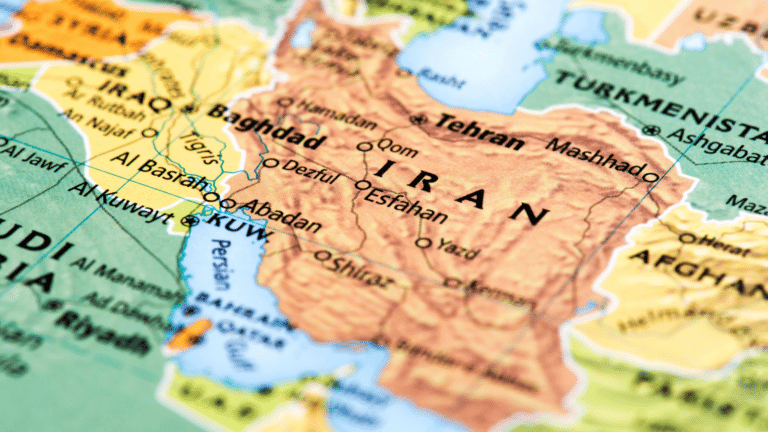
Many analyses of what the conflict in the Middle East means for China's energy security have rightly focused on China's oil and natural gas imports from the region.
For years, the energy transition was discussed as a shift that would happen in steady, predictable increments. But the last 24 months have shattered that illusion. Energy providers...
We are the premier hub and policy institution for global energy thought leadership. Energy impacts every element of our lives, and our trusted fact-based research informs the decisions that affect all of us.
Climate Week NYC Virtual Event | The Impact of the Energy Transition on Global Health and Economic Prosperity
Past Event
September 21, 2020
12:00 pm - 1:30 pm
Share
To register, please click the ‘Register Here’ link above. — IF WE TRANSFORM ENERGY, CAN WE KICK START ECONOMIES AND IMPROVE LIVES? The global pandemic of COVID-19 has transformed the landscape for 2020 and beyond with drastic impacts on public health and the global economy. For many it has given pause for thought and provided a new perspective on how to tackle the other global crisis, climate change. In June, the International Energy Agency published their World Energy Outlook Special Report on Sustainable Recovery, giving governments a “once-in-a-lifetime” roadmap to sustainably rebuild their economies following COVID-19. The plan demonstrates that 9 million jobs could be created by developing a resilient and cleaner energy system whilst driving economic growth. The Center on Global Energy Policy will bring together a panel of experts to discuss the road to a cleaner system and brighter economic future. Panelists include: –Andrew Kamau, Principal Secretary for Petroleum, Ministry of Petroleum & Mining, Republic of Kenya –Cheryl LaFleur, Distinguished Visiting Fellow, Center on Global Energy Policy at Columbia SIPA –Maarten Wetselaar, Integrated Gas & New Energies Director, Shell Mechthild Wörsdörfer, Director of Sustainability, Technology, and Outlooks, International Energy Agency; Director, European Commission’s Directorate General for Energy –Moderated by Jason Bordoff, Founding Director, Center on Global Energy Policy at Columbia SIPA — Advance registration is required. Following registration, you will receive a confirmation email. Prior to the webinar, you will receive an email with access details. The event will be recorded and the video recording will be added to our website following the event. This event is open to press, and registration is required to attend. For media inquiries or requests for interviews, please contact Artealia Gilliard ([email protected]) or Genna Morton ([email protected]). For more information about the event, please contact Caitlin Norfleet or Nicolina DueMogensen ([email protected]).
This roundtable is open only to currently enrolled Columbia University students. To register, you must sign in with your UNI. Join the Center on Global Energy Policy’s Women...
Event
• Center on Global Energy Policy
1255 Amsterdam Ave, New York, NY 10027
This roundtable is open only to currently enrolled Columbia University students. To register, you must sign in with your UNI. The Center on Global Energy Policy (CGEP) at...
Event
• Center on Global Energy Policy
1255 Amsterdam Ave, New York, NY 10027
This roundtable is open only to currently enrolled Columbia University students. To register, you must sign in with your UNI. The Center on Global Energy Policy at Columbia...
Event
• Center on Global Energy Policy
1255 Amsterdam Ave, New York, NY 10027
Many analyses of what the conflict in the Middle East means for China's energy security have rightly focused on China's oil and natural gas imports from the region.