Net Power Surrendered Its Clean Dreams to Data Center Demand
The zero-emission pioneer is doing the dirty work for the AI boom.
Get the latest as our experts share their insights on global energy policy.
This Energy Explained post represents the research and views of the author(s). It does not necessarily represent the views of the Center on Global Energy Policy. The piece...

Hear in-depth conversations with the world’s top energy and climate leaders from government, business, academia, and civil society.
After years of trying, the US may be on the cusp of a nuclear renaissance. Commercial nuclear generation began in this country in 1958. Today, the US has...

Find out more about our upcoming and past events.
The Center on Global Energy Policy (CGEP) at Columbia University’s School of International and Public Affairs and ReNew invite you to Columbia India Energy Dialogue 2026, taking place...

Past Event
November 16, 2022
12:00 pm - 1:00 pm
Sanctions have become the go-to foreign policy tool for the United States. Coercive economic measures such as trade tariffs, financial penalties, and export controls affect large numbers of companies and states across the globe. Some of these penalties target nonstate actors, such as Colombian drug cartels and Islamist terror groups; others apply to entire countries, including North Korea, Venezuela, Iran, and Russia. U.S. policy makers see sanctions as a low-cost tactic, but in reality these measures often fail to achieve their intended goals — and their potent side effects can harm American interests.
Backfire, the new book by Agathe Demarais, the global forecasting director of the Economist Intelligence Unit (EIU), explores the surprising ways sanctions affect multinational companies, governments, and ultimately millions of people around the world. Drawing on interviews with experts, policymakers, and people in sanctioned countries, Demarais examines the unintended consequences sanctions can have when used as a diplomatic weapon. The proliferation of sanctions spurs efforts to evade them, as states and firms seek ways to circumvent U.S. penalties. This is only part of the story. Sanctions also reshape relations between countries, pushing governments that are at odds with the U.S. closer to each other — or, increasingly, to Russia and China.
Full of insights spanning a wide range of topics, from Russia’s invasion of Ukraine to Iran’s COVID response and China’s cryptocurrency ambitions, Backfire reveals how sanctions are transforming geopolitics and the global economy — as well as diminishing U.S. influence. This insider’s account is an eye-opening, accessible, and timely book that sheds light on the future of sanctions in an increasingly multipolar world.
The Center on Global Energy Policy and the Center for a New American Security hosted a fireside chat with Agathe Demarais moderated by Edward Fishman, CGEP Senior Research Scholar, CNAS Adjunct Senior Fellow, and former member of Secretary of State John Kerry’s Policy Planning Staff. Their discussion focused on key findings of Backfire, the latest Columbia University Press release in the Center on Global Energy Policy series.
—
This student-only roundtable gives students a chance to explore the connections between global energy markets, geopolitics, finance, and career opportunities across the energy sector.

Dr. Claudia Castro will share insights into her professional journey and the role of financial markets in shaping energy investments.

The Center on Global Energy Policy at Columbia University SIPA invites students to join us for an engaging roundtable discussion on sustainable finance with Jacqueline Ricciani, Managing Director,...

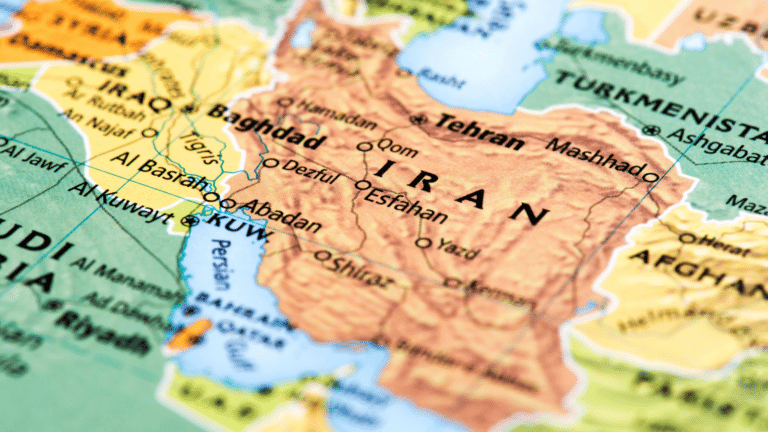
More than a month into the Iran conflict, the United States and Iran are at a critical inflection point.


Project-based carbon credit markets (PCCMs) facilitate the generation, trading, and retirement of carbon credits from projects that remove, reduce, or avoid greenhouse gas emissions.

The World Bank is revisiting one of its most entrenched positions, publicly questioning its long-standing emphasis on market-led approaches in economic policy.