This website uses cookies as well as similar tools and technologies to understand visitors’ experiences. By continuing to use this website, you consent to Columbia University’s usage of cookies and similar technologies, in accordance with the Columbia University Website Cookie Notice.
Energy Explained
Get the latest as our experts share their insights on global energy policy.
Chinese Customs Data Reveal Deeper US Dependence on Chinese Rare Earths
One of the central objectives of the second Trump administration has been to pursue a maximalist trade policy toward China.

Podcasts
Hear in-depth conversations with the world’s top energy and climate leaders from government, business, academia, and civil society.
Jessica Uhl on the Fractured Energy Transition: Why Speed Matters Now
The clean energy transition had real momentum at the end of 2024. It was buoyed by federal support, billions of dollars of investment in new technologies, and broad...

Listen to this episode from The Modern Mexico Podcast on Spotify. On this episode of the MODERN MEXICO PODCAST, host Nathaniel Parish Flannery talks about Mexico's solar energy sector with Diego Rivera Rivota, a Research Associate at the Center on Global Energy Policy at Columbia University. Mexico is one of the best potential locations for solar energy generation in the world—it has great sun with minimal seasonal variability. Overall, Mexico is well-positioned to produce competitively priced solar-generated electricity. Over the last decade, Mexico has successfully attracted billions of dollars in new investment in solar energy. Over the last few years, Mexico's wind and solar energy production, as a share of total electricity generated, has quadrupled. But, investment in solar energy has stalled during the administration of President Andres Manuel Lopez Obrador, a controversial populist. Diego describes Mexican President Lopez Obrador's attitude towards renewable energy as "nationalistic, hostile, and backwards." Overall, he gives Lopez Obrador an "F" for his solar energy policies. "Given the stagnant result of renewable energy development I’m afraid I can only give an 'F' to this government’s energy policy in terms of renewable development. Not only has it failed to promote and increase investment in renewable energy, but the policies implemented by this government have actively undermined the development of these projects. This has meant a lost opportunity for new projects, solar panels, wind farms, but also an overall higher cost of electricity," Diego says. Mexico still has a chance to become a solar energy super power, but to realize its potential, it needs remove obstacles and attract funding for new projects.
Related
More News
The Nation’s Biggest Renewables Project Ever Comes Online
On Minnesota mining, DAC being back, and desalination dividends
Relevant
Publications
How the Iran War Could Consolidate China’s Energy Dominance
Amid global oil and gas disruptions, China stands prepared for the electrostate era.

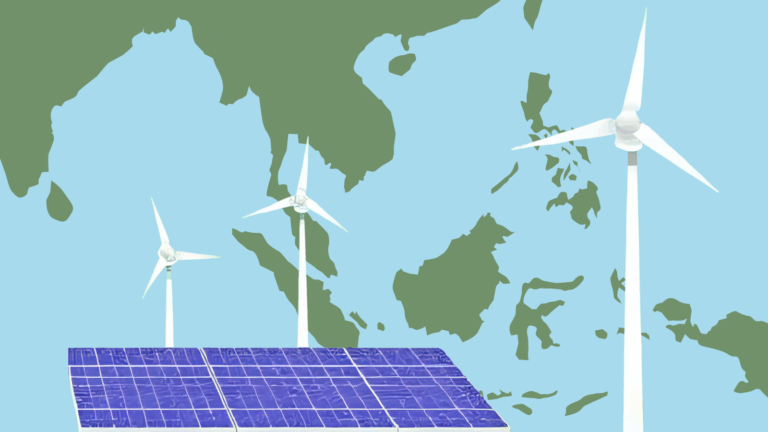
Beyond Tariffs: Coercive US Trade Deals and Southeast Asia’s Clean Energy Future
Two trade agreements recently negotiated by the Trump administration contain novel and coercive provisions with little precedent in US trade policy or the global trade system.