Should we feel good about the trajectory of clean energy post-Trump?
A conversation with Lily Bermel.
Get the latest as our experts share their insights on global energy policy.
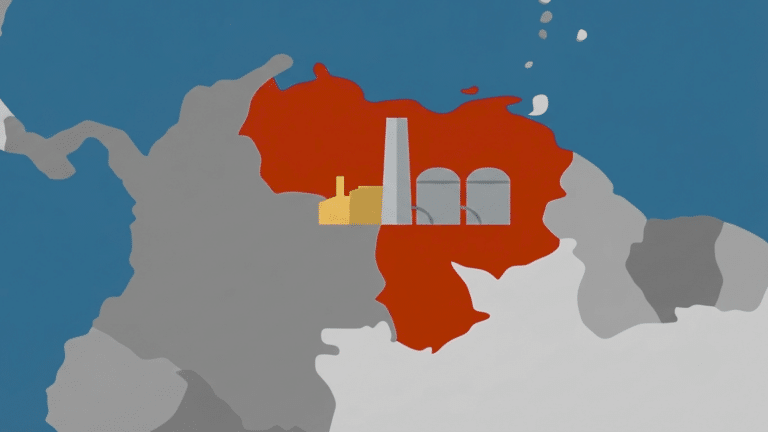
The economic and humanitarian consequences of the June 24 twin earthquakes in Venezuela continue to emerge.
Hear in-depth conversations with the world’s top energy and climate leaders from government, business, academia, and civil society.
As the demand for power surges across the US, the debate over how to build energy infrastructure has reached a fever pitch. And while both sides of the...
The Center on Global Energy Policy (CGEP) at Columbia University’s School of International and Public Affairs is now accepting applications for the 2025 Energy Journalism Fellows program, set to take place on the university’s campus in New York City from June 10-13, 2025.
Led by CGEP Scholars, Columbia faculty, and experts from academia, industry, and government, the Energy Journalism Fellows program (EJF) provides journalists with the opportunity to explore the diverse disciplines influencing the global energy sector, including finance and markets, climate change, science and technology, policy, and geopolitics.
Since its launch in 2017, the Energy Journalism Fellows program has welcomed more than 160 journalists from the US and around the globe. The EJF program is open to journalists covering energy, climate, and the environment, with preference given to those with five or fewer years of experience in the field.
The Energy Journalism Fellows program will select 20 energy journalists for the 2025 EJF cohort. Participation in the program is free, with CGEP covering transportation and hotel expenses.
The deadline for applications is March 3, 2025.
Last year’s cohort included:
A conversation with Lily Bermel.
America’s greatest rival is single-handedly averting a global energy crisis. No one knows how the country is doing it—or why.

On June 22, the United States announced that it had signed a nuclear cooperation agreement with Saudi Arabia. This type of agreement broadly authorizes